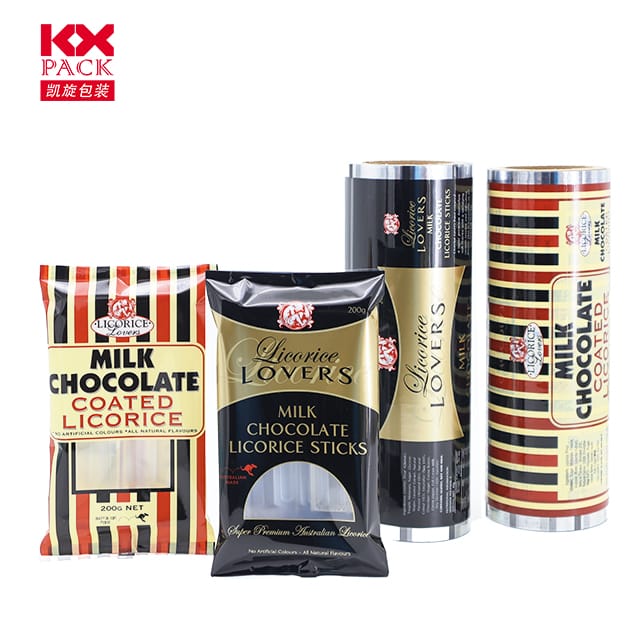
Lidding plastik fim woulo pou faktori anbalaj manje: Tandans, Inovasyon, ak dinamik mache
Lidding Plastic Film Rolls
In the fast-evolving food packaging industry, kouvèti fim plastik woulo have emerged as a critical component for preserving freshness, asire sekirite, ak amelyore etajè apèl. Sa yo mens, fim fleksib-tipikman fèt ak polyethylene (PE), polypropylène (PP), nilon (PA), oswa materyèl ki gen gwo baryè tankou EVOH-yo se chalè-sele sou plato, tas, and bowls to create airtight barriers against oxygen, imidite, ak kontaminan yo. For food packaging factories, selecting the right lidding film is no longer just about functionality; it’s a strategic decision that impacts sustainability, pri efikasite, and consumer satisfaction.(Lidding Plastic Film Rolls)
1. Key Applications and Market Demand
Lidding films are indispensable across multiple food segments:
- Ready-to-Eat (RTE) Meals: High-barrier films with anti-fog properties prevent condensation, maintaining product visibility.
- Dairy and Meat: Anbalaj atmosfè modifye (MAP) films extend shelf life by regulating gas composition inside the package.
- Pwodwi fre: Renewable paper-pulp trays sealed with KPeel-style films reduce plastic use by up to 95%, aliyen ak tandans dirab mondyal la.
- Convenience Foods: Easy-peel films enable hassle-free opening, while puncture-resistant variants protect fragile items like pastries.
The global market for lidding films is projected to grow at a CAGR nan 5.2% atravè 2030, driven by rising demand for packaged foods in emerging economies and stringent food safety regulations in developed markets.(Lidding Plastic Film Rolls)
2. Technological Innovations Shaping the Industry
A. High-Barrier and Multilayer Films
To combat food waste, manifaktirè yo ap adoptemultilayer co-extrusion technology, combining materials like PA/PE/EVOH to create films with superior oxygen and moisture resistance. Pa egzanp, Shandong Qilu Ethylene Chemicals Co., Ltd. produces EVOH-based films that extend the shelf life of smoked meats by 30–50%.
B. Sustainable Solutions
- Fim biodégradables: Derived from starch or cellulose, these films decompose within 180 days under industrial composting conditions.
- Recyclable Mono-Materials: Single-polymer films (Eg., PET-only) senplifye kouran resiklaj, diminye enpak anviwònman an.
- Redwi Plastik Itilizasyon: UK-based KM Packaging’s KPeel series enables paper-pulp trays to replace plastic containers in fresh produce packaging, cutting plastic by 95% without compromising seal integrity.(Lidding Plastic Film Rolls)
C. Smart and Functional Films
- Kouch anti-mikwòb: Silver-ion or zinc-oxide additives inhibit bacterial growth, enhancing food safety.(Lidding Plastic Film Rolls)
- Temperature-Sensitive Indicators: Films embedded with thermochromic inks change color if storage conditions deviate, reducing spoilage risks.
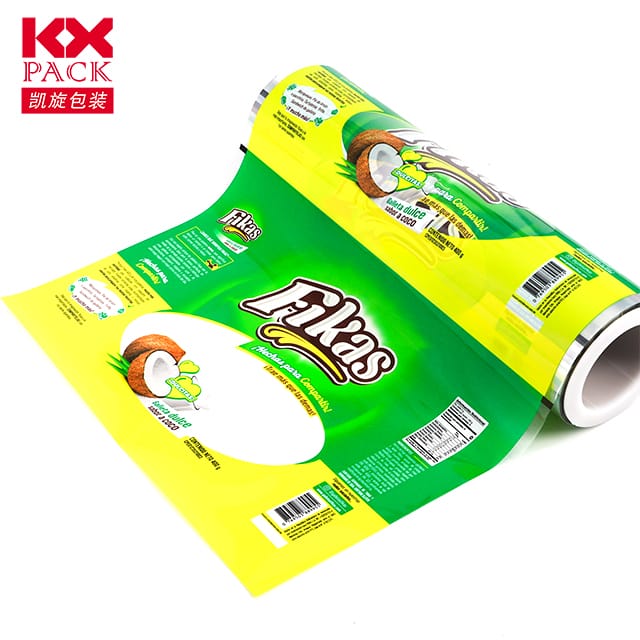
- Printable Surfaces: High-definition printing allows brands to showcase logos, nutritional info, and QR codes directly on the film, boosting marketing appeal.
3. Challenges and Strategic Considerations for Factories
A. Konfòmite regilasyon
Food packaging factories must navigate a complex web of regulations:
- Inuit: Compliance with EC No 1935/2004 (food contact materials) epi Inuit 2019/904 (single-use plastics directive).
- Nou: FDA approval for recycled content in films and adherence to FSMA (Food Safety Modernization Act).
- Lachin: GB 4806.7-2023 standards for food-grade plastics and stricter enforcement of environmental policies.
B. Pri vs. Konpwomi dirabilite
While biodegradable films align with ESG goals, they often cost20–30% more pase plastik konvansyonèl yo. Factories must balance sustainability targets with profitability by:
- Optimizing Material Use: Fim pi mens (Eg., 12–16µm vs. 20–25µm) reduce raw material costs.
- Automating Production: High-speed co-extrusion lines improve efficiency, offsetting higher material expenses.
C. Rezilyans chèn ekipman
Geopolitical tensions and raw material shortages (Eg., ethylene prices) disrupt production. Factories are mitigating risks by:
- Diversifying Suppliers: Partnering with multi-regional film manufacturers to ensure steady supply.
- Stockpiling Critical Materials: Maintaining 3–6 months’ inventory of high-barrier resins like EVOH.
4. Future Trends to Watch
- Fim manjab: Te fè soti nan pwoteyin (Eg., jelatin) or polysaccharides (Eg., chitosan), these films are gaining traction in snack and confectionery packaging.
- AI-Driven Customization: Machine learning algorithms analyze food properties (pH, moisture content) to recommend optimal film compositions.
- Modèl ekonomi sikilè: Factories are exploring film take-back programs to recycle post-consumer waste into new packaging.
Konklizyon
For food packaging factories, lidding plastic film rolls are no longer a commodity—they’re a strategic asset. By embracing high-performance, dirab, and smart films, manufacturers can differentiate their offerings, comply with regulations, epi satisfè demand konsomatè k ap evolye yo. The key to success lies inagility: adapting to technological shifts, optimizing supply chains, and investing in innovations that balance cost, fonksyonalite, ak responsablite anviwònman an.
Stay ahead of the curve—explore our curated list of lidding film suppliers and download our free guide on selecting the right film for your application! 🌍🍃📦