Versatility ak enpòtans fim laminasyon(3)
Laminating Films
Nan domèn anbalaj, proteksyon, ak prezantasyon, fim laminasyon jwe yon wòl esansyèl. Sa yo mens, Men, materyèl ekstrèmman dirab te revolusyone fason nou prezève, ekspozisyon, ak transpòte yon pakèt pwodwi. Soti nan anbalaj manje nan materyèl enprime wo-fen, laminating films offer a multitude of benefits that make them indispensable in numerous industries.
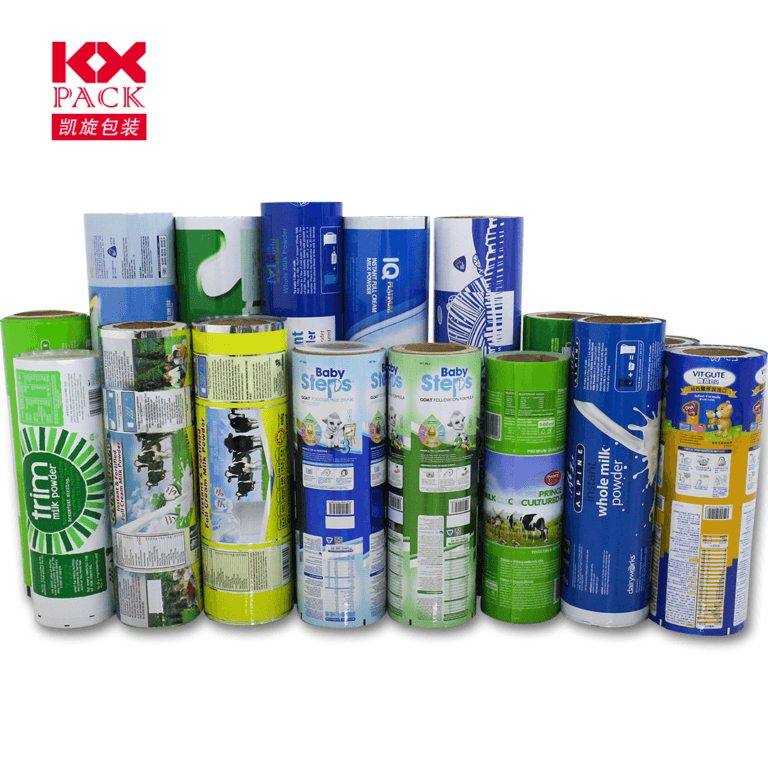
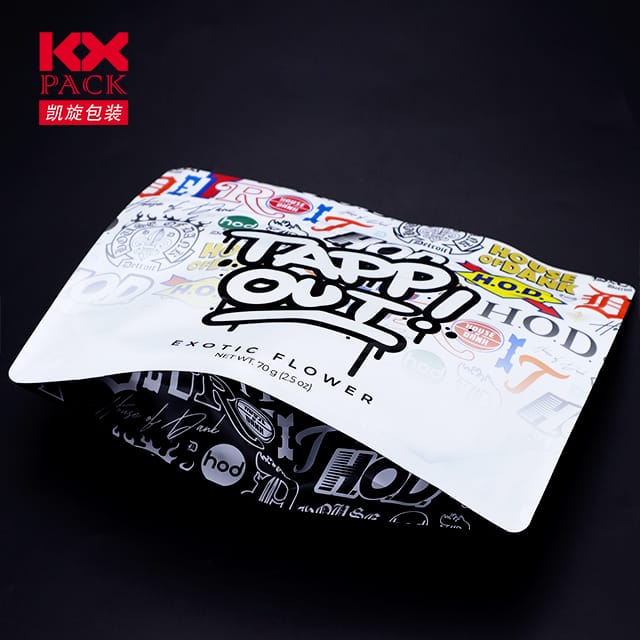
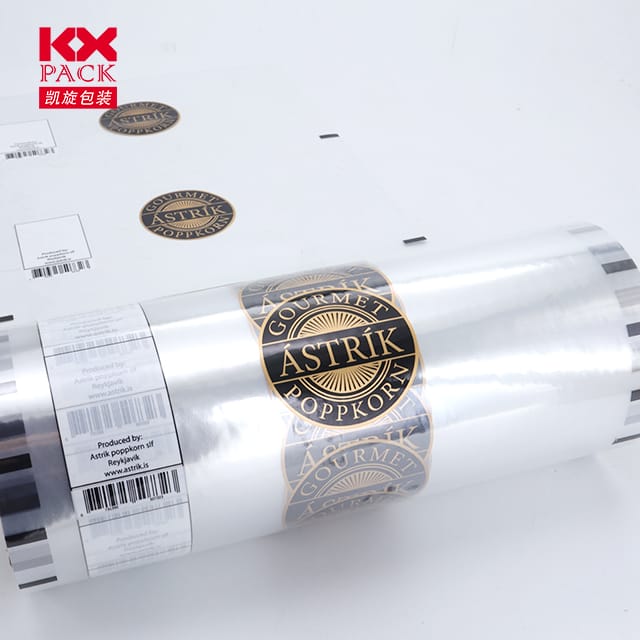
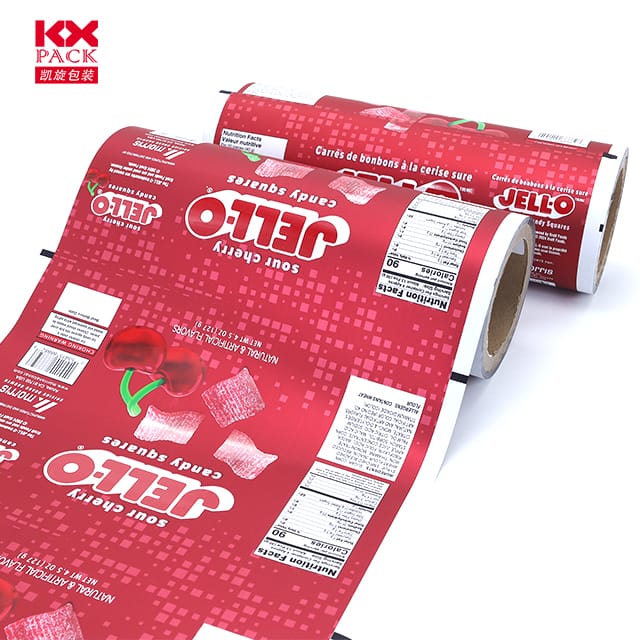
Laminating film are plastic sheets or membranes that are applied to various surfaces for protective, dekoratif, or functional purposes. The process of lamination involves bonding these films to a substrate, such as paper, katon, or another plastic material, lè l sèvi avèk chalè, presyon, oswa adezif. The result is a composite material that combines the properties of both the substrate and the film.
Kalite fim laminasyon
There are several types of laminating film available, each designed for specific applications:
- Polyethylene (PE) Plastifye: Commonly used in food packaging due to their moisture and grease resistance. PE laminates are also cost-effective and easy to process.
- Polyester (PET) Plastifye: Known for their strength, klète, and dimensional stability, PET laminates are ideal for high-end graphics and labels that require durability and scratch resistance.
- Polypropylène (PP) Plastifye: Offering good moisture barrier properties and resistance to chemicals, PP laminates are frequently used in packaging for pharmaceuticals and personal care products.
- Polipropilèn biaxially oryante (Bopp) Plastifye: With excellent optical clarity and mechanical strength, BOPP laminates are perfect for packaging that needs to stand out on store shelves.
- Plastifye papye aliminyòm: Providing a high barrier to light, oksijèn, ak imidite, aluminum foil laminates are essential for extending the shelf life of sensitive products like dairy and snack foods.
Applications of Laminating Films
The versatility of laminating films means they can be found in countless applications across various industries:
- Anbalaj Manje: From flexible packaging for snacks and beverages to rigid containers for dairy products, laminating films help keep food fresh and extend its shelf life.
- Enpresyon ak grafik: High-quality laminates enhance the appearance and durability of printed materials, including brochures, postè, and signage. They protect ink from smudging and add a professional finish.
- Elektwonik: Laminating films play a critical role in the manufacturing of electronic devices, providing insulation, proteksyon, and display enhancement.
- Famasetik: Ensuring the integrity and safety of medications, laminating films offer tamper-evident features and protect against moisture and contamination.
- Otomobil: Used in interior and exterior applications, laminating films provide scratch resistance, Pwoteksyon UV, and enhanced aesthetics for automotive components.
Environmental Considerations
As consumers and businesses become increasingly aware of the environmental impact of packaging and other materials, the demand for eco-friendly laminating films is on the rise. Manufacturers are responding by developing biodegradable, resikle, and compostable options. These films are designed to minimize waste and reduce the carbon footprint of the products they protect.
Konklizyon
Laminating films are a testament to the power of innovation in material science. Their ability to combine protection, estetik, and functionality makes them indispensable in a wide range of applications. As technology advances and environmental concerns grow, the industry continues to evolve, offering new solutions that meet the ever-changing needs of consumers and businesses alike. Whether you’re a packaging engineer, a graphic designer, or a concerned consumer, understanding the versatility and importance of laminating films can help you make more informed decisions about the products you use and create.