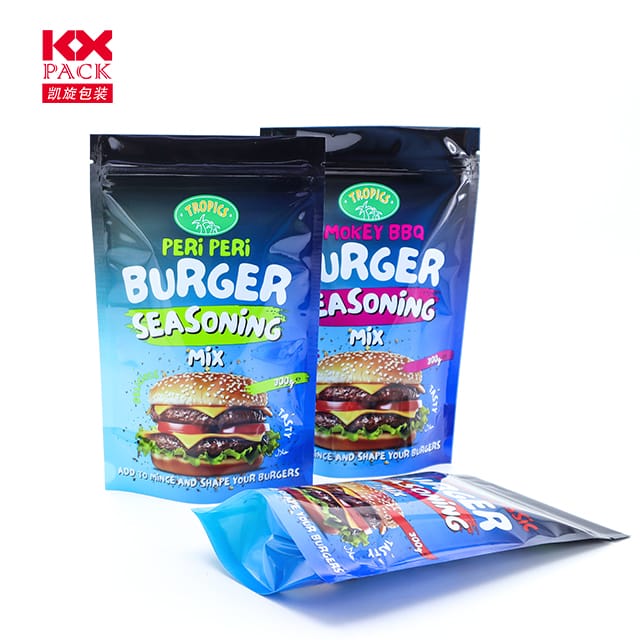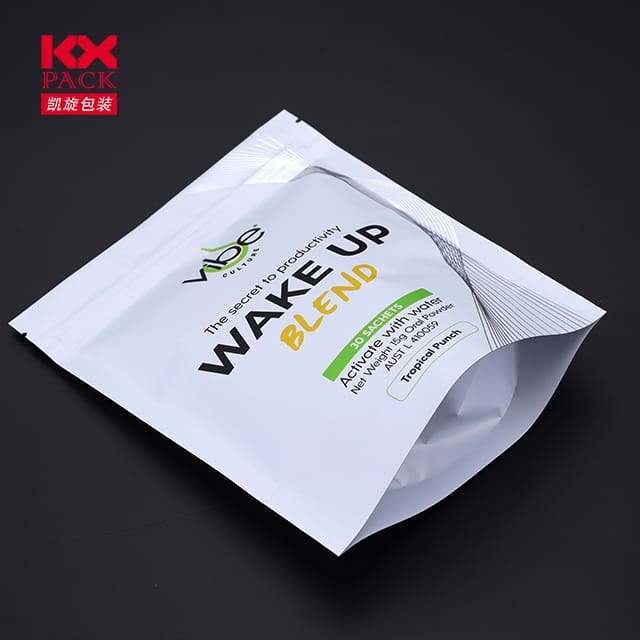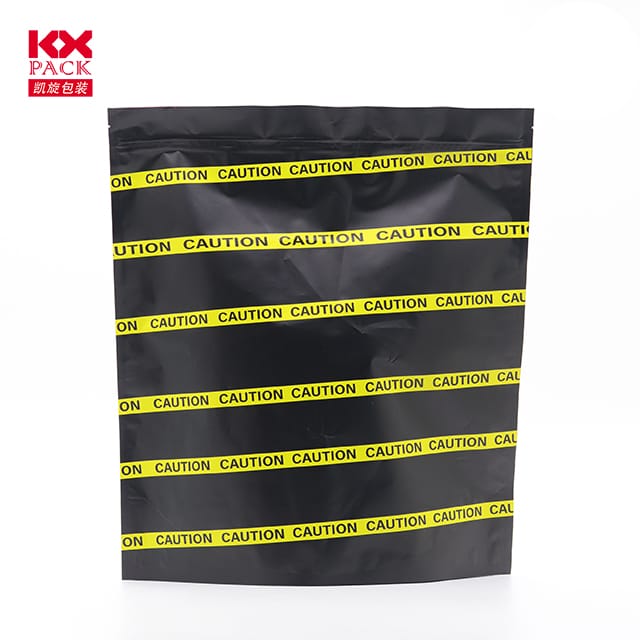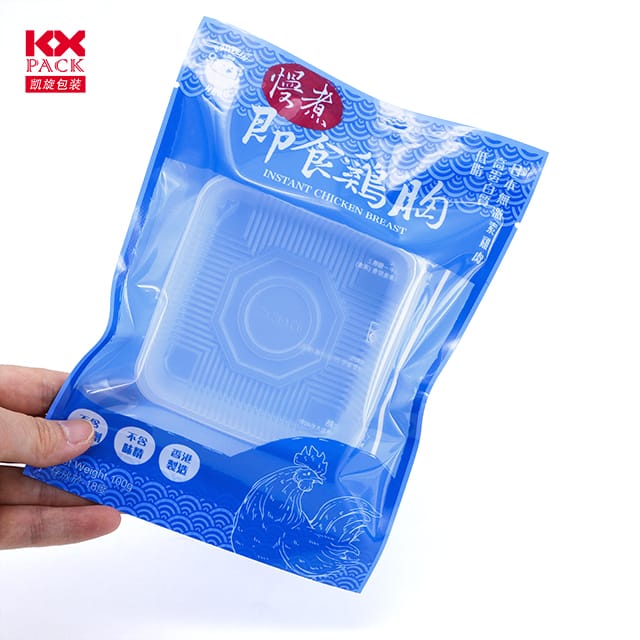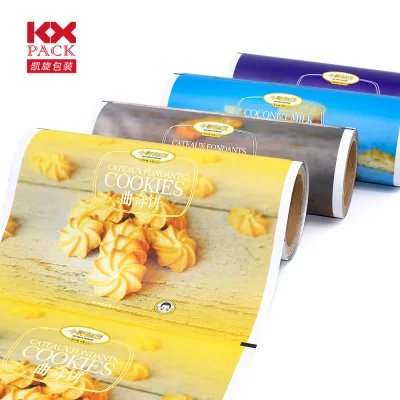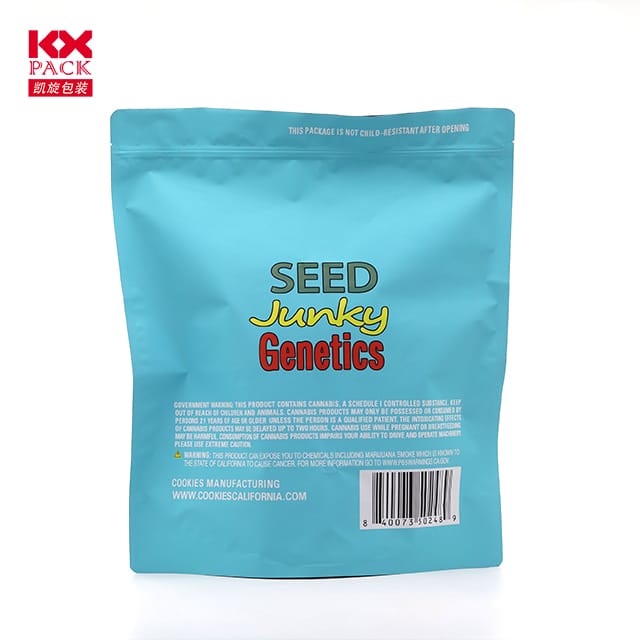
Evolisyon ak enpòtans fim pake manje: Asire Sekirite, Dirab, ak Konvenyans(2)
Food Package Film
Nan mond rapid-ritm jodi a, fim pake manje jwe yon wòl esansyèl nan prezève bon jan kalite a, sekirite, ak aksè nan manje nou konsome chak jou. Soti nan legim yo byen sèk nan frijidè ou a ti goute ki pare pou manje nan gadmanje ou, mens sa a, souvan neglije kouch se yon mèvèy nan jeni modèn. Let’s dive into why food package film matters, its technological advancements, and the growing focus on sustainability.
1. The Core Functions of Food Package Film
Food package film isn’t just about wrapping; it’s a science-backed solution designed to:
- Extend Shelf Life: By acting as a barrier against oxygen, imidite, ak kontaminan yo, films like polyethylene (PE), polypropylène (PP), and biodegradable alternatives slow down spoilage and maintain freshness.
- Preserve Nutritional Value: Advanced films can block UV light and control gas exchange, preventing the degradation of vitamins and flavors in packaged foods.
- Ensure Food Safety: Hermetic seals created by these films shield products from pathogens, reducing the risk of foodborne illnesses.
- Enhance Convenience: Zip resealable, easy-tear designs, and microwave-safe materials make modern packaging user-friendly.
2. Innovations Driving the Industry
The food packaging sector is constantly evolving, with breakthroughs in:
- Anbalaj aktif: Films embedded with antioxidants, ajan antimikwòb, or oxygen scavengers actively preserve food quality. Pa egzanp, a film containing iron-based oxygen absorbers can extend the shelf life of meat by days.
- Smart anbalaj: Sensors integrated into films detect spoilage by monitoring gases like CO₂ or pH changes, alerting consumers to freshness.
- Nanotechnologie: Ultra-thin nanocomposite films offer superior barrier properties while using less material, diminye fatra.
- Materyèl biodégradables: Eco-friendly options like polylactic acid (PLA), derived from corn starch, and seaweed-based films are gaining traction as alternatives to traditional plastics.
3. The Sustainability Challenge
While food package film is indispensable, its environmental impact is a growing concern. Yon sèl-itilize plastik kontribye nan polisyon, and recycling rates remain low. Sepandan, the industry is rising to the challenge:
- Fim konpostab: Brands are adopting materials that break down naturally in home compost systems, reducing landfill waste.
- Recyclable and Mono-Material Solutions: Simplifying packaging to use a single type of polymer (Eg., all-PE films) improves recyclability.
- Lejè: Reducing film thickness without compromising strength cuts down on raw material use and transportation emissions.
- Inisyativ Ekonomi Sikilè: Companies are exploring take-back programs and partnerships with recyclers to close the loop on packaging waste.
4. Consumer Trends Shaping the Future
Today’s shoppers are more conscious than ever, demanding:
- Transparans: Clear labeling about packaging materials and recyclability.
- Minimalism: Eco-conscious consumers prefer less packaging and bulk-buying options.
- Functionality with Purpose: Films that not only protect food but also align with values like zero waste.
Konklizyon: A Balancing Act
Food package film is a testament to human ingenuity—it keeps our food safe, reduces waste, and adapts to our evolving needs. Sepandan, the path forward requires innovation, kolaborasyon, ak yon angajman pou dirab. Kòm konsomatè yo, we can support brands prioritizing eco-friendly packaging, while manufacturers must invest in greener technologies.
The next time you unwrap a snack or store leftovers, take a moment to appreciate the science behind that thin layer of film. It’s not just packaging; it’s a guardian of quality, a shield against waste, and a symbol of our journey toward a more sustainable future.
What’s your take on food packaging? Pataje panse ou nan kòmantè ki anba yo! 🌱🍴