Revolisyon fraîcheur: Lavni nan anbalaj fim manje nan 2025
Anbalaj fim manje
In an era where sustainability meets innovation, Anbalaj fim manje ap sibi yon chanjman transfòmasyon. Pa jis yon baryè kont kontaminasyon, Fim manje modèn yo Enjenieri pou yon ekstansyon pou lavi etajè, diminye fatra, E menm amelyore eksperyans nan manje -tout pandan y ap minimize enpak anviwònman an. Let’s explore the cutting-edge trends and technologies reshaping this essential industry.
1. Smart anbalaj: The Next Frontier in Food Safety
Imagine a Anbalaj fim manje that changes color when food spoils or releases antioxidants to slow degradation. Welcome to the age of smart food packaging!
- Tan-Tanperati Endikatè (TTIs): These labels react to temperature fluctuations, alerting consumers if perishables like meat or dairy have been exposed to unsafe conditions.
- Freshness Sensors: Embedded sensors detect gases (Eg., ammonia from spoiled fish) and trigger visual changes, ensuring food safety before consumption.
- Anbalaj aktif: Anbalaj fim manje infused with natural compounds like rosemary extract or vitamin C actively combat oxidation, keeping fruits and vegetables crisp longer.
Egzanp: Konpayi yo renmenMitsubishi gaz chimik epiTeknoloji Insignia are pioneering these solutions, with products already in use for premium seafood and meat packaging.
2. Dirab la pran premye etap la
With global plastic waste soaring, the demand for eco-friendly alternatives has never been higher. Here’s how the industry is responding:
- Fim biodégradables: Made from plant-based materials like cassava starch, seluloz, oswa alg, these Anbalaj fim manjes decompose naturally within months, unlike traditional plastics.
- Anbalaj manjab: Inovasyon tankou seaweed-based wrappers (used by brands like Notpla) ou fruit peel-inspired films eliminate waste entirely.
- Kontni resikle: Mak yo enkòpore resikle pòs-konsomatè (PCR) plastics into films, diminye depandans sou materyèl jenn fi.
Stat Alert: The global biodegradable food packaging market is projected to grow at12.8% CAGR atravè 2030, driven by consumer demand for greener options.
3. Advanced Barrier Technologies: Keeping Food Fresher, Longer
Modern Anbalaj fim manje are engineered to tackle specific challenges:
- Oksijèn Scavengers: Films with built-in oxygen absorbers prevent oxidation, ideyal pou ti goute, kafe, and nuts.
- Moisture Control: Multi-layer films with hydrophobic coatings protect dry goods like cereals from humidity.
- UV Blocking: For light-sensitive products like beer or oils, films with UV inhibitors maintain quality during storage and transport.
Etid ka: Amcor’s high-barrier laminates for cheese packaging reduce oxygen transmission by 99%, pwolonje lavi etajè pa jiska 50%.
4. Customization for Every Need
From single-serve snacks to bulk industrial packaging, fleksibilite se kle:
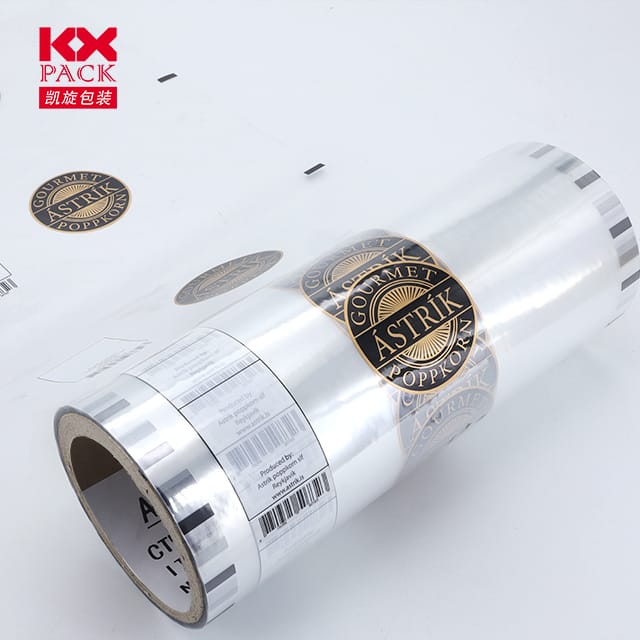
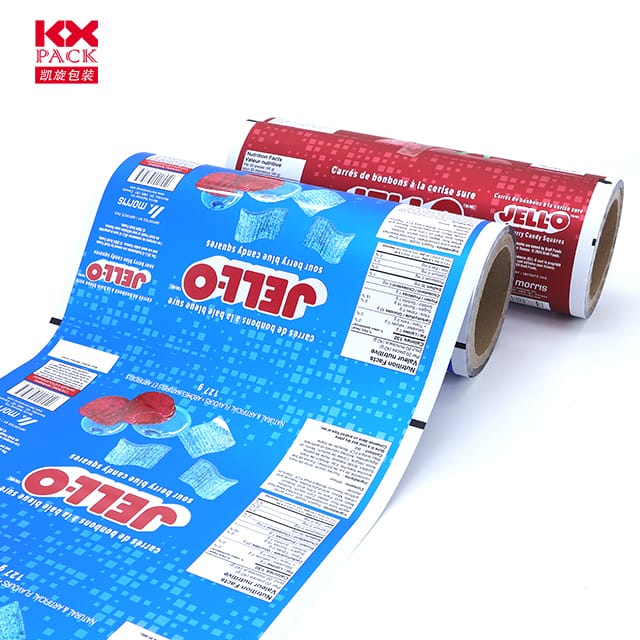
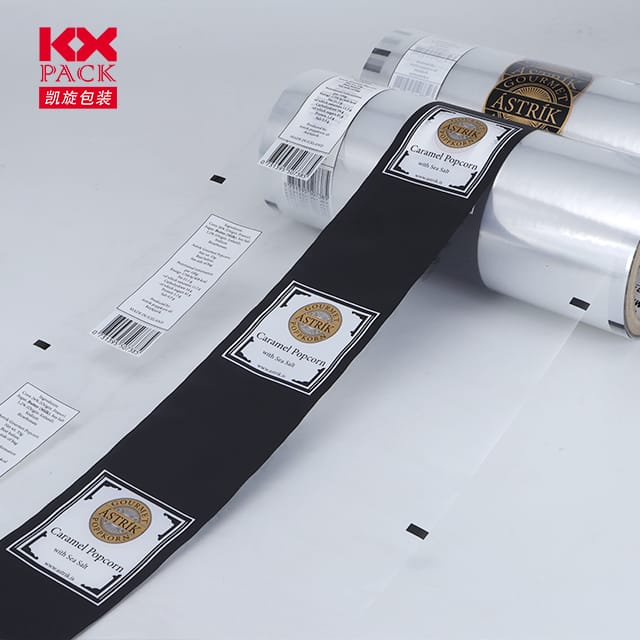
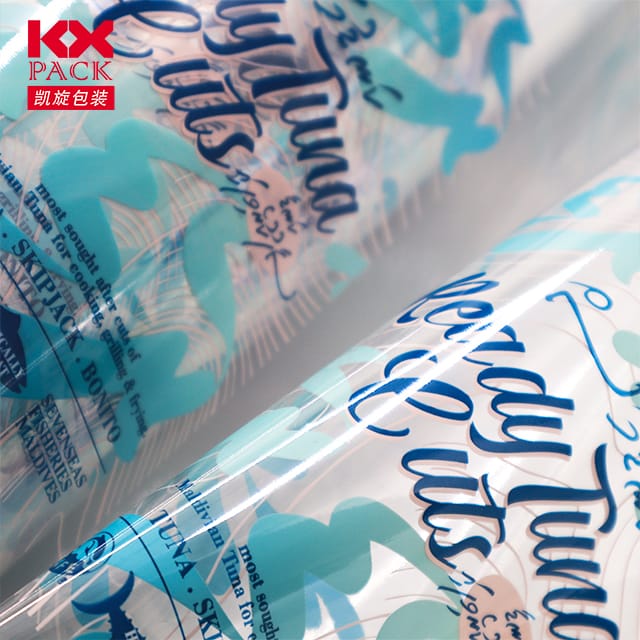
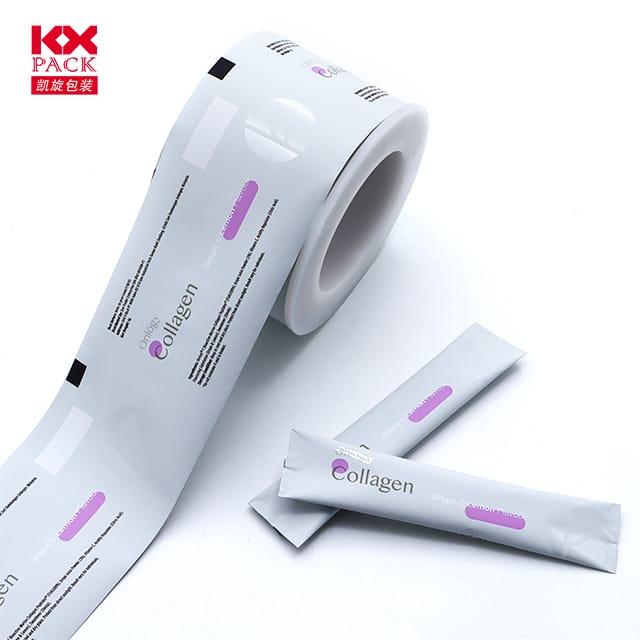
- Fim Printable: High-resolution printing allows brands to create eye-catching designs while maintaining functionality.
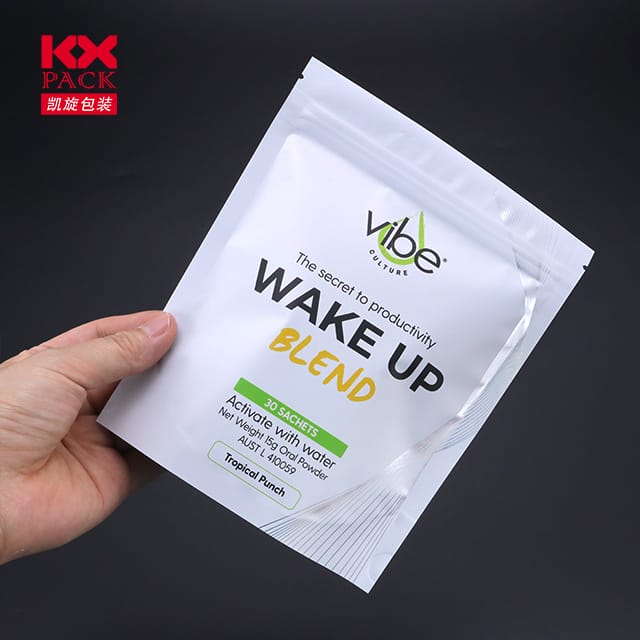
- Resealable Features: Zippers or adhesive strips enhance convenience for consumers, reducing food waste from partially used products.
- Thermoformable Films: These adapt to irregular shapes, perfect for packaging fresh produce or ready-to-eat meals.
Trend Alert: The rise ofe-commerce grocery has spurred demand for puncture-resistant films that withstand shipping while keeping contents intact.
5. The Role of Nanotechnology
Nanomaterials are unlocking new possibilities:
- Nano-coatings: Ultra-thin layers improve barrier properties without adding bulk, making films lighter and more efficient.
- Fim antimikwòb: Silver or zinc oxide nanoparticles inhibit bacterial growth, extending the life of perishables like meat and bread.
Research Spotlight: A 2024 study found that nano-silver-coated films reducedE. coli contamination in packaged lettuce by 99.9% sou 14 jou.
Defi ak wout ki devan yo
Malgre pwogrè, obstak rete:
- Koute: Biodegradable materials are often pricier than conventional plastics, though economies of scale are narrowing the gap.
- Edikasyon Konsomatè: Many remain unaware of recycling guidelines for compostable films, leading to contamination in waste streams.
- Regulatory Hurdles: Approvals for new materials vary by region, slowing global adoption.
Refleksyon final
Food film packaging is no longer just about wrapping—it’s a dynamic field where science, dirabilite, and design converge. As brands prioritize circular economy principles and consumers demand transparency, the future of packaging looks brighter (ak pi vèt) than ever.
Ready to make a switch? Chèche sètifikasyon tankouOK Konpòs ouTÜV Otrich when shopping for eco-friendly options, and support companies investing in innovation.
What’s your take on food packaging’s future? Pataje panse ou anba a! 🌱📦