Revolusyone anbalaj: Ogmantasyon nan inovasyon fim plastik fleksib(1)
Flexible Plastic Film
In an era where sustainability and functionality reign supreme, anbalaj fim plastik fleksib te parèt kòm yon chanjman jwèt atravè endistri yo. Soti nan konsèvasyon manje nan livrezon e-commerce, materyèl sa a ki lejè men dirab ap chanje fason nou pake, proteje, epi prezante pwodwi yo. Let’s delve into why flexible plastic films are more than just a packaging trend—they’re a sustainable solution for modern challenges.
1. Kostim: A One-Size-Fits-All Approach
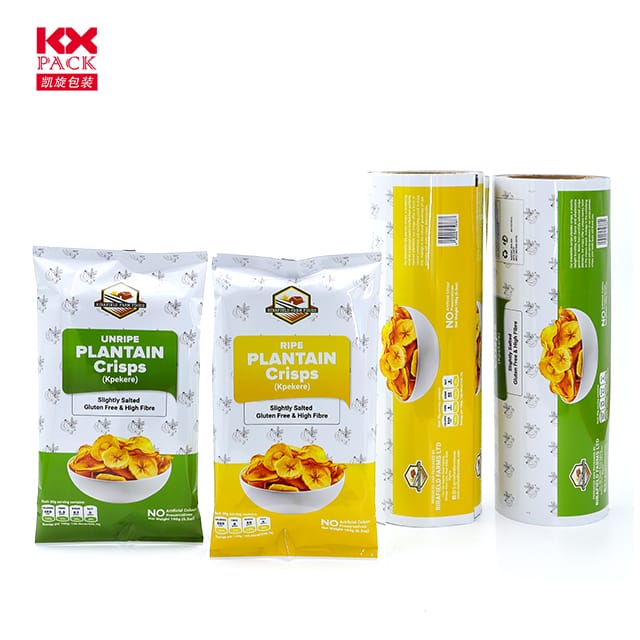
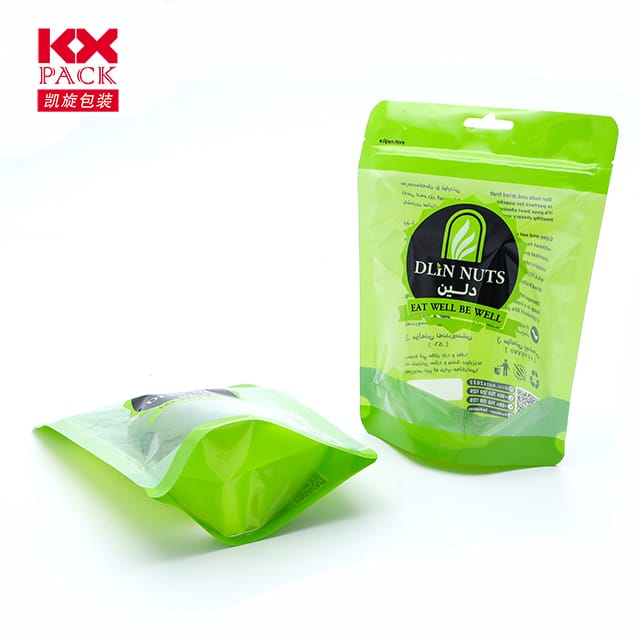
Flexible plastic films excel in adaptability. Their ability to conform to irregular shapes, seal tightly, and withstand various environmental conditions makes them ideal for:
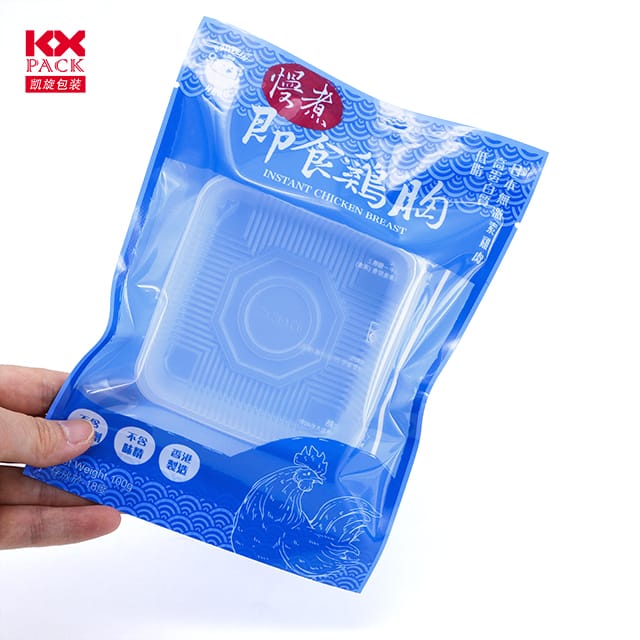
- Manje & Bwason: Vacuum-sealed packaging extends shelf life, while barrier films protect against moisture and oxygen.
- Famasetik: Tamper-evident seals and child-resistant closures ensure safety.
- E-commerce: Stretchable films secure items during transit, reducing damage and returns.
Kontrèman ak anbalaj rijid, flexible films require less raw material, enabling brands to optimize space in warehouses and on shelves.
2. Dirab: A Step Toward Circular Economy
While traditional plastics face criticism for environmental impact, flexible plastic films are pioneering greener alternatives:
- Bio-based Films: Made from renewable resources like cornstarch or algae, these films decompose faster than conventional plastics.
- Kontni resikle: Many manufacturers now incorporate post-consumer recycled (PCR) materials into films, diminye depandans sou plastik jenn fi.
- Lightweight Design: Using less material per package lowers carbon footprints during production and transportation.
Industry leaders are also exploringfim konpostabl epiresiklaj chimik to close the loop on plastic waste.
3. Inovasyon: Tech Meets Design
Flexible plastic films are no longer just a barrier—they’re a canvas for innovation:
- Smart anbalaj: Films embedded with sensors can monitor freshness, detect leaks, or even interact with consumers via QR codes.
- Fim segondè-baryè: Advanced coatings extend product longevity by blocking UV light, gases, or moisture.
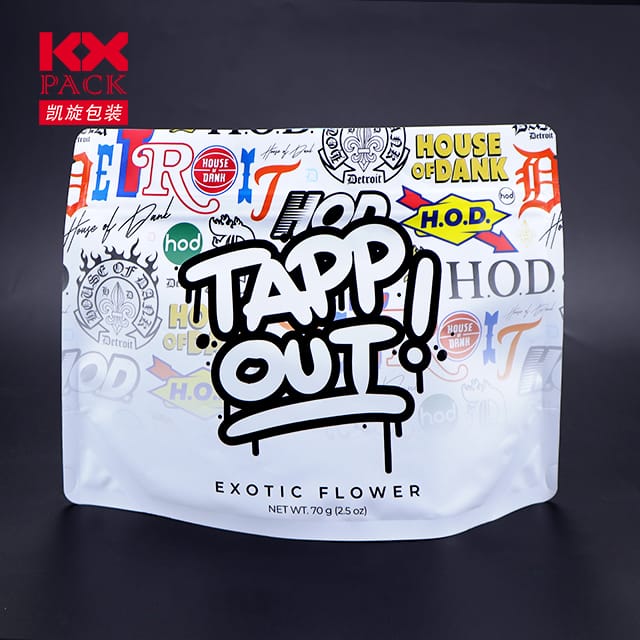
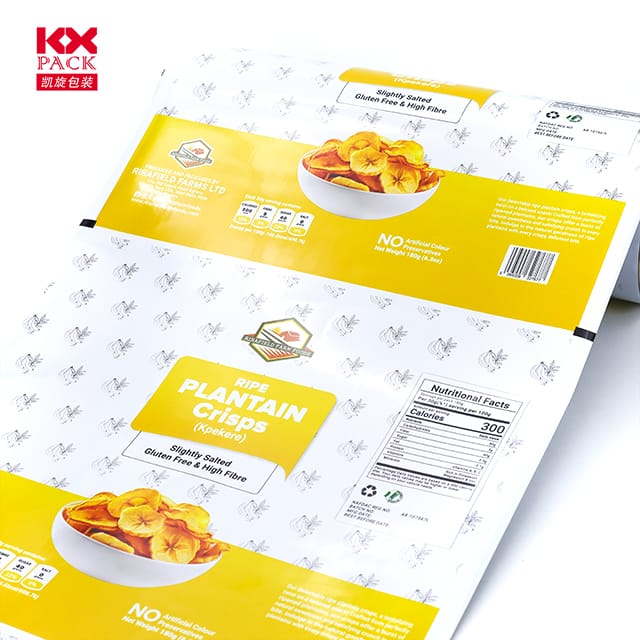
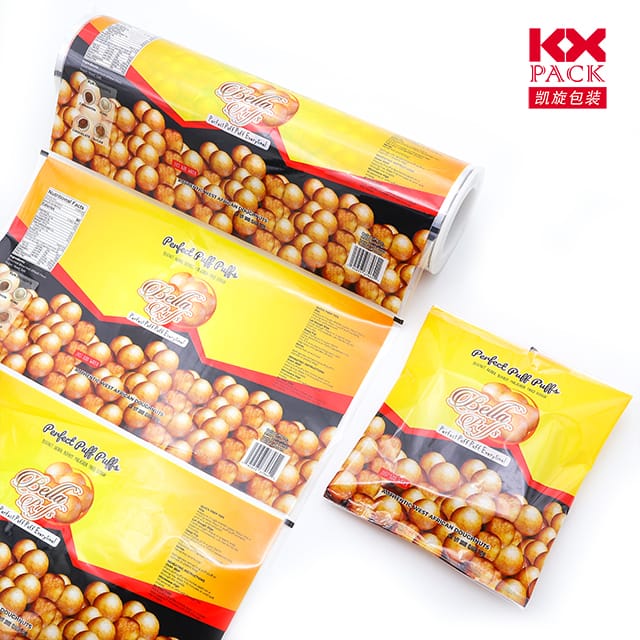
- Printable Surfaces: Vibrant graphics and holographic effects enhance brand visibility and consumer engagement.
These advancements not only protect products but also elevate the unboxing experience, fostering brand loyalty.
4. Defi & Pespektiv nan lavni
Malgre benefis yo, flexible plastic films face hurdles:
- Enfrastrikti resiklaj: Many films are difficult to recycle due to multi-layer structures or additives. Improving sorting technologies and standardizing materials could address this.
- Pèsepsyon Konsomatè: Misconceptions about plastic’s environmental toll persist. Education campaigns and transparent labeling (Eg., “Made with 50% PCR”) can build trust.
Gade pi devan, Polymers biodégradables epifim idrosolubl hold promise for zero-waste packaging. Collaborations between material scientists, brands, and policymakers will be crucial in scaling these solutions.
Konklizyon: Embracing the Flexibility Revolution
Flexible plastic film packaging is more than a material—it’s a catalyst for change. By balancing functionality, dirabilite, ak inovasyon, it empowers brands to meet consumer demands for convenience, sekirite, ak ekolojik-konsyans. Kòm teknoloji evolye, the future of packaging lies in films that are not just flexible in form but also adaptable in purpose.
Rele pou Aksyon:
How can your brand leverage flexible plastic films to enhance sustainability and customer experience? Pataje panse ou nan kòmantè ki anba yo!