How to Verify a Reliable Flexible Packaging Manufacturer Before Ordering Bulk Food Packaging Bags
Choosing the wrong flexible packaging manufacturer doesn’t just cost you a deposit—it can stall an entire production line, trigger a customs hold at the port, or force an expensive retail recall. When you are sourcing bulk food packaging bags across borders, glossy website photos and competitive unit quotes tell you very little about what actually happens on the factory floor.
Over the last two decades of supplying global food brands and regional distributors, we’ve seen the exact same sourcing mistakes happen repeatedly. Importers approve a hand-made digital sample, wire a 30% deposit, and receive 50,000 pouches six weeks later with delaminating seals, lingering solvent odors, or inconsistent zipper tracks that jam their filling machines.
Before you wire money for your next container or LCL shipment, run your prospective supplier through this practical, floor-level verification checklist.
1. Separate True Factories from Trading Intermediaries
Anpil “manifaktirè yo” on B2B directories are actually trading desks operating out of rented office suites. While traders aren’t inherently bad, adding a middleman when buying bulk food packaging bags creates two major risks: inflated margins on repeat runs and zero direct control over production scheduling when raw material prices spike.
Don’t just ask for a business license—ask for live video proof of three specific production zones:
- The Printing Line: Look for high-speed rotogravure or CI flexographic presses (8 pou 10 koulè). Ask to see the cylinder storage room; a genuine converter maintains racks of engraved copper cylinders for active clients.
- The Lamination Bay: Verify whether they run solvent-based or solvent-free lamination. A serious food packaging plant will have dedicated curing rooms where laminated rolls rest at controlled temperatures (typically 40°C–50°C) pou 24 pou 48 hours to ensure full adhesive cross-linking.
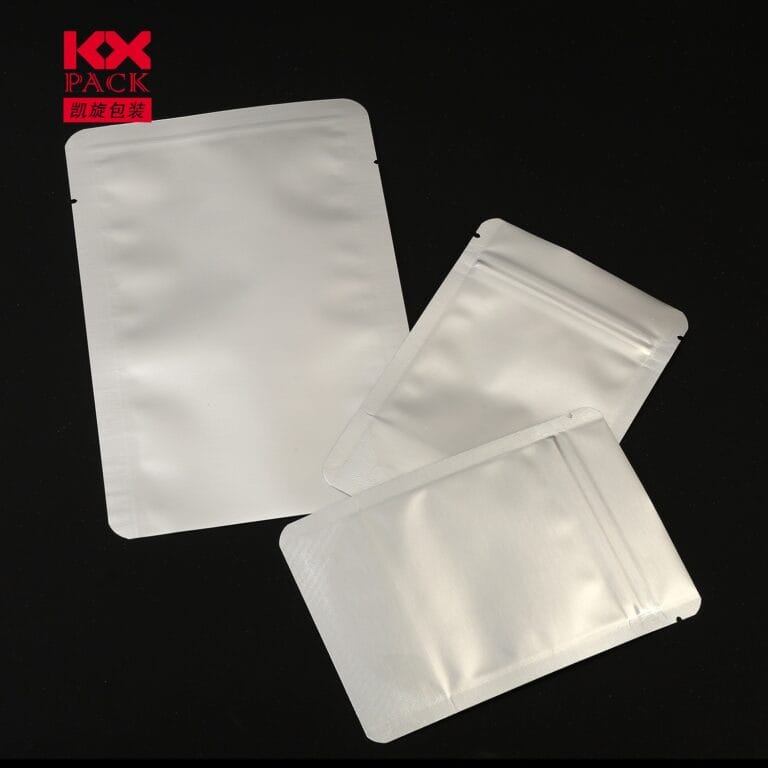
- The Bag-Making Department: Have them show pouch-converting machines actively running stand-up pouches, sak anba plat, or spouted pouches—not sitting idle under dust covers.
2. Demand Resin Traceability, Not Just Generic Certificates
Anyone can email you a PDF of an ISO 9001 certificate. What protects your brand during an FDA or EU food-contact audit is batch-level raw material traceability.
When producing bulk food packaging bags—whether for roasted coffee, frozen seafood, pet kibble, or liquid sauces—the inner sealant layer (usually LLDPE, CPP, or RCPP) sits in direct contact with consumables. Reputable manufacturers source virgin food-grade resins from established petrochemical producers like ExxonMobil, Dow, or SABIC, rather than blending cheap post-industrial regrind into the inner film.
What to request before sampling:
- Deklarasyon Konfòmite (DoC): Specific to the exact multi-layer structure quoted (pa egzanp,
PET12 / AL7 / NY15 / LLDPE80), confirming compliance with FDA 21 CFR 177.1520 or EU Regulation 10/2011. - Migration Test Reports: Third-party lab results (SGS, Intertek, or TÜV) verifying overall and specific migration limits under actual filling temperatures (ambient, hot-fill, or retort sterilization).
- Lank & Adhesive Specs: Confirmation that benzene-free, ketone-free inks and food-grade polyurethane adhesives are standard on all food runs.

3. Audit Their In-House Quality Control Lab
If a flexible packaging manufacturer relies solely on visual inspection by machine operators, defects will slip through. Bulk runs move fast—often 100 pou 180 pouches per minute—meaning a minor temperature drift on a heat-seal bar can ruin 10,000 bags before anyone notices.
Ask your supplier to send photos or a quick walkthrough of their QA testing bench. Nan yon minimòm, they should routinely test and log:
| QA Instrument / Test | What It Measures | Why It Matters for Food Importers |
| Heat Seal Strength Tester | Peel force (N/15mm) required to pull a seal apart | Prevents bags from bursting during sea transit or drop handling |
| Gas Chromatograph (GC) | Residual solvent levels trapped in laminated film | Eliminates chemical odors that taint coffee, te, oswa ti goute |
| Leak / Burst Tester | Internal air pressure resistance (ASTM F1140) | Catches micro-pinholes in gussets and zipper intersections |
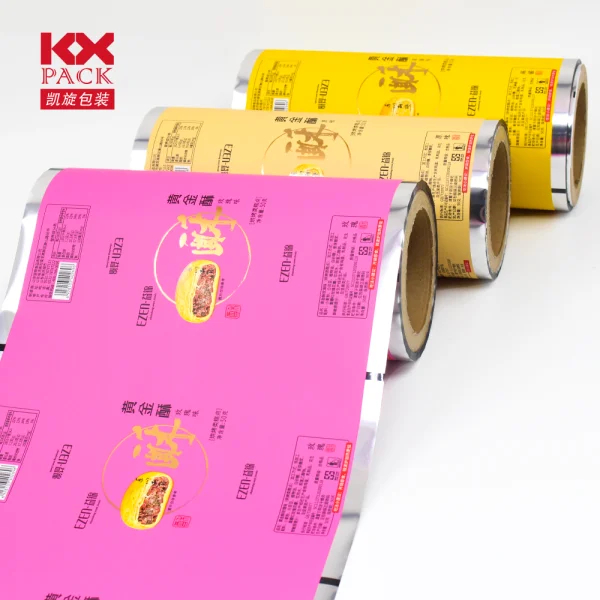
| COF (Coefficient of Friction) Tester | Film slip properties on metal surfaces | Critical if you buy roll stock film for high-speed VFFS/HFFS machines |
| OTR / WVTR Lab Data | Oxygen and moisture transmission rates | Guarantees your product hits its promised 12-to-24-month shelf life |
If a sales rep doesn’t know what a Gas Chromatograph or COF reading is, that’s your cue to keep looking.
4. Scrutinize How They Handle Pre-Production Samples and MOQs
There is a massive difference between a hand-cut prototype and a machine-run pouch. Hand-made samples are great for checking artwork layout and dimensions, but they won’t tell you how a zipper tracks under tension or how cleanly a tear notch opens.
Before committing to bulk food packaging bags, ask about their pre-production sampling protocol:
- Stock Structure Samples: Can they ship physical bags made with the exact film thickness and barrier structure you need (pa egzanp, matte BOPP + VMPET + PE) so you can run your own drop tests, freezer tests, or shelf-life trials?
- Realistic MOQ Economics: In rotogravure printing, setup waste and cylinder engraving make tiny runs uneconomical. A transparent manufacturer will explain why a 10,000-to-20,000-piece MOQ hits the sweet spot for unit cost—or proactively steer you toward digital printing or stock unprinted pouches with custom labels if your SKU volume doesn’t justify engraved cylinders yet.
5. Evaluate Export Packaging and Lead-Time Realism
A great pouch means nothing if it arrives crushed on the pallet or misses your seasonal retail launch.
Check how the factory packs finished goods for ocean freight. Bulk pouches should be neatly stacked in inner poly liners, packed inside heavy-duty double-wall corrugated cartons (with carton weight capped around 15–20 kg to prevent bottom-layer crushing), and palletized with corner protectors and stretch wrap.
Epitou, beware of factories promising 10-day turnaround on custom printed orders during peak seasons (typically August through November). Realistic manufacturing lead times look like this:
- Artwork & Cylinder Engraving: 5–7 days
- Enpresyon, Laminasyon & Curing: 7–10 days
- Koupe, Fè sak & QA Inspection: 5–7 days
A dependable partner builds buffer time into their production schedule and gives you honest updates at each stage—rather than going silent three days before your vessel cutoff.
Partner with a Proven Source Factory
Nan KXPACK, we’ve spent over 20 years manufacturing custom pouches and high-barrier roll stock films for food, kafe, pet nutrition, and beverage importers worldwide. From virgin resin sourcing and 10-color rotogravure printing to full batch-level lab testing, every order is built to pass strict international food-safety audits and run smoothly on your filling lines.
Planning your next bulk packaging order? Contact our engineering team at kxpack.com with your bag dimensions, product type, and estimated volume—we’ll recommend the most cost-effective barrier structure and ship free physical material samples straight to your facility.