Lavni nan konsèvasyon manje: Ki jan fim anbalaj manje fleksib ap revolusyone endistri a
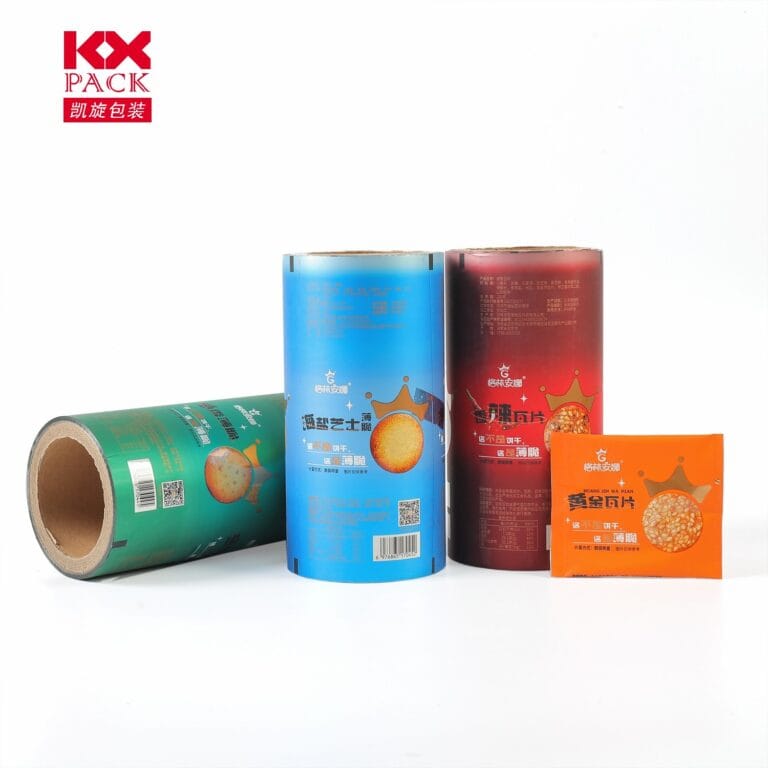
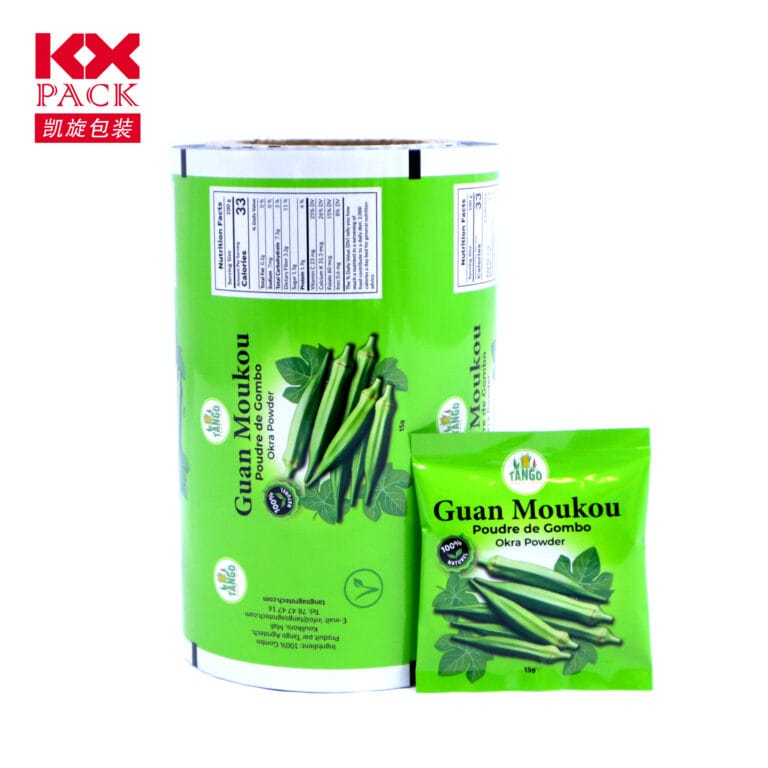
Flexible Food Packaging Films
In an era where sustainability, sekirite manje, ak konvenyans yo esansyèl, Flexible Food Packaging Films have emerged as a game-changer for the global food and beverage industry. Sa yo ki lejè, materyèl adaptab yo redefini fason pwodwi yo pwoteje, prezante, epi konsève-soti nan fèm rive nan tab. Let’s explore the innovations driving this trend and why they’re critical for modern consumers and manufacturers.
Why Flexible Food Packaging Films? Avantaj debaz yo
- Pwoteksyon baryè, Lavi etajè pwolonje
Flexible Food Packaging Films are engineered with multi-layer structures that create impermeable barriers against oxygen, imidite, limyè, ak kontaminan yo. Pa egzanp, PVDC-coated films ou metallized PET layers can reduce oxygen transmission by up to 99%, preserving freshness and flavor in snacks, vyann, and dairy. Studies suggest that advanced packaging could cut global food waste by 30% by 2030—a critical step toward sustainability. - Lightweight and Eco-Friendly
Compared to rigid packaging (Eg., glass jars or metal cans), Flexible Food Packaging Films itilize 70% mwens materyèl by weight, lowering transportation emissions and storage costs. Inovasyon tankou biodegradable PLA films epi recyclable PE/PP blends are further reducing plastic’s environmental footprint, aligning with global zero-waste goals. - Customization and Versatility
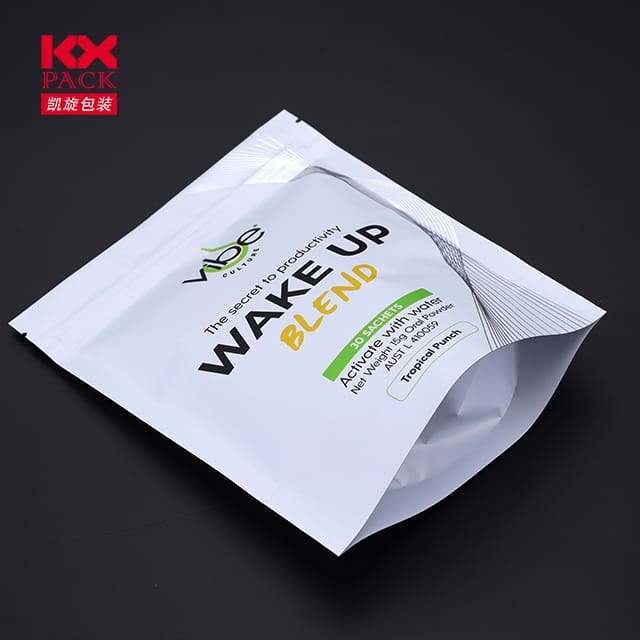
Soti nan sak kanpe for pet food to retort-ready bags for ready-to-eat meals, flexible films adapt to any product shape or size. Brands can leverage enprime dijital for vibrant, on-demand packaging designs, enhancing shelf appeal and brand storytelling.
Key Innovations Shaping the Market
- Smart Films for Enhanced Safety
Modern Flexible Food Packaging Films incorporates anti-fog coatings (for clear visibility in refrigerated sections), self-venting technologies (for microwave-safe meals), epi UV-blocking layers (to protect light-sensitive products like oils or supplements). Pa egzanp, BOPP fim with low seal initiation temperatures (SIT) boost production efficiency by 20% for snack manufacturers. - Sustainability-Driven Materials
The market is shifting toward fim konpostabl (Eg., corn-starch-based PLA) epi post-konsomatè resikle (PCR) kontni. Konpayi yo renmen Glenroy epi Winpak are pioneering mono-material structures (Eg., tout-PE sak) pou senplifye resiklaj. Pa 2028, the global flexible packaging market is projected to reach $341.6 milya dola, fueled by eco-conscious demand. - Advanced Adhesives and Sealing
Nouvo solvent-free laminations epi high-performance sealants ensure leak-proof packaging even for liquid products like soups or sauces. These innovations also reduce production waste and energy use.
Aplikasyon nan tout endistri yo
- Pwodwi fre: Breathable films with modified atmosphere packaging (MAP) extend the shelf life of berries and leafy greens by 2–3 times.
- Ready-to-Eat Meals: Retort pouches withstand high-temperature sterilization, eliminating preservatives while maintaining texture and taste.
- Famasetik: Child-resistant, moisture-barrier films ensure safe storage of pills and supplements.
- Kosmetik: Flexible tubes and sachets offer precise dispensing and protection from contamination.
Wout la devan: Trends for 2025 ak Beyond
- Entegrasyon ekonomi sikilè
Mak ap adopte closed-loop systems, where used packaging is collected, resikle, and repurposed into new films. Partnerships between manufacturers and recycling firms will be key to scaling this model. - Anbalaj aktif ak entèlijan
Imagine films that change color when food spoils or release natural preservatives over time. Early prototypes using Tan-tanperati endikatè (TTIs) epi oxygen scavengers are already in testing. - Konfòmite regilasyon
As governments tighten rules on single-use plastics, flexible films must meet FDA and EU food-contact standards while minimizing chemical migration. Transparent supply chains and material traceability will become non-negotiable.
Konklizyon: Yon avni fleksib
Flexible food packaging films are no longer just a cost-effective alternative—they’re a strategic imperative for brands aiming to thrive in a competitive, sustainability-focused market. By combining cutting-edge materials with smart design, these solutions address today’s challenges while paving the way for a safer, greener tomorrow.
Ready to upgrade your packaging strategy? Explore how flexible films can transform your product’s performance, dirabilite, and consumer appeal. The future of food preservation is flexible—and it’s here to stay. 🌱✨
Referans: Asosyasyon anbalaj fleksib, Global Market Insights, PennPac, TedPack