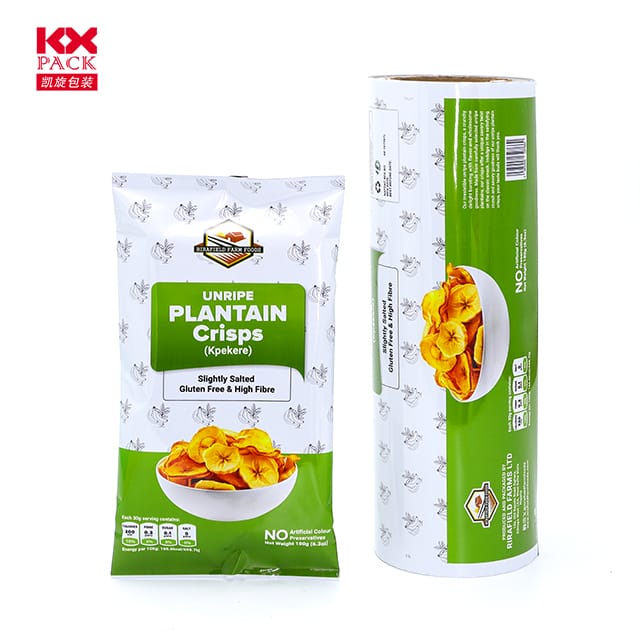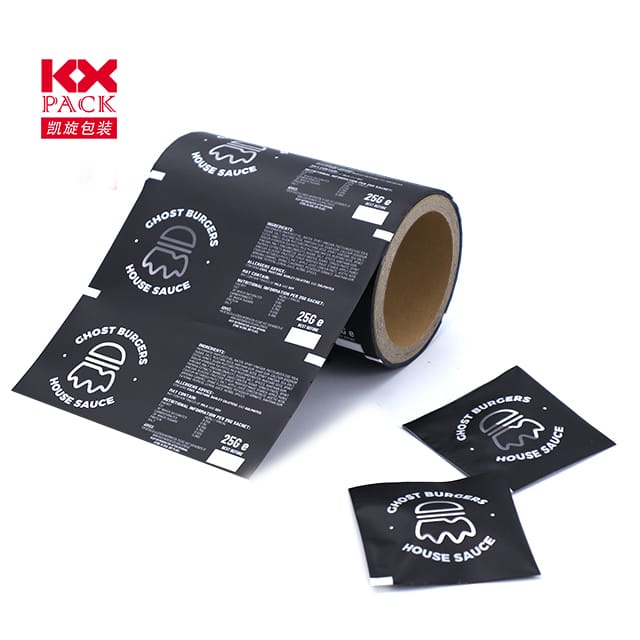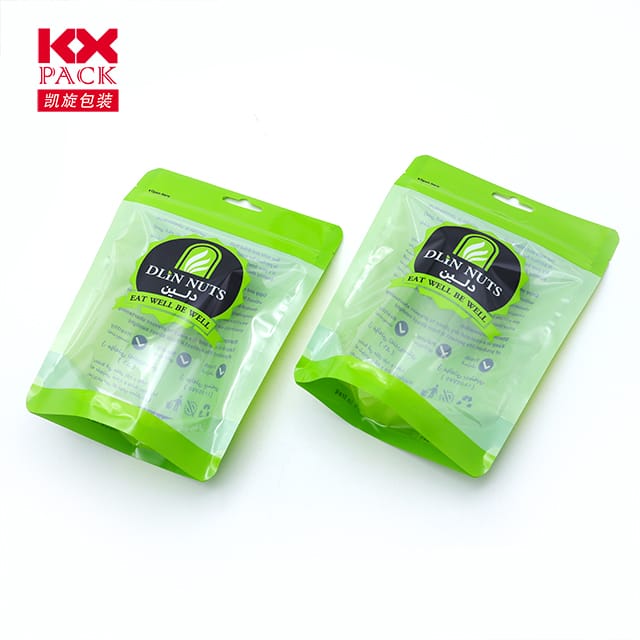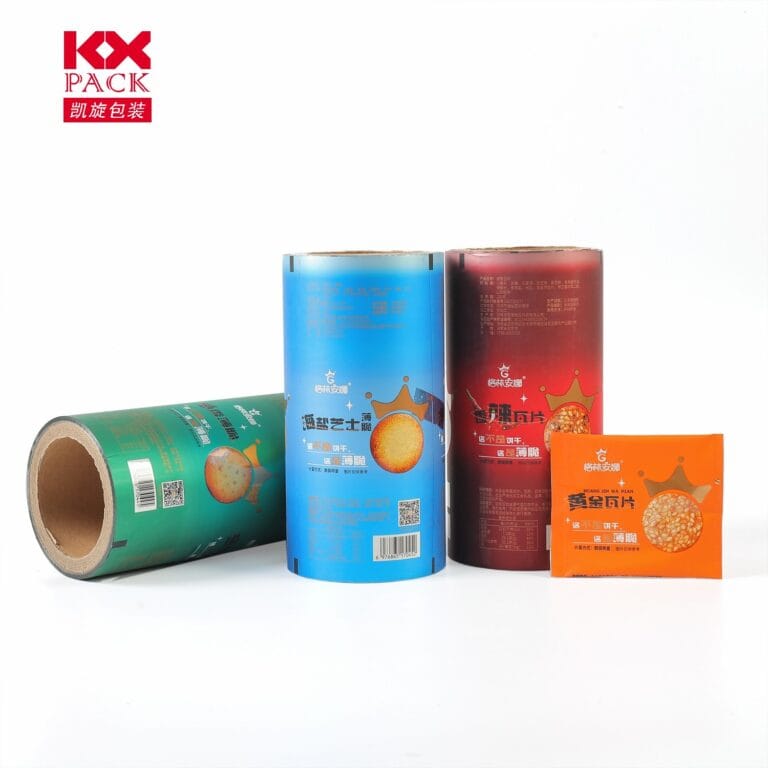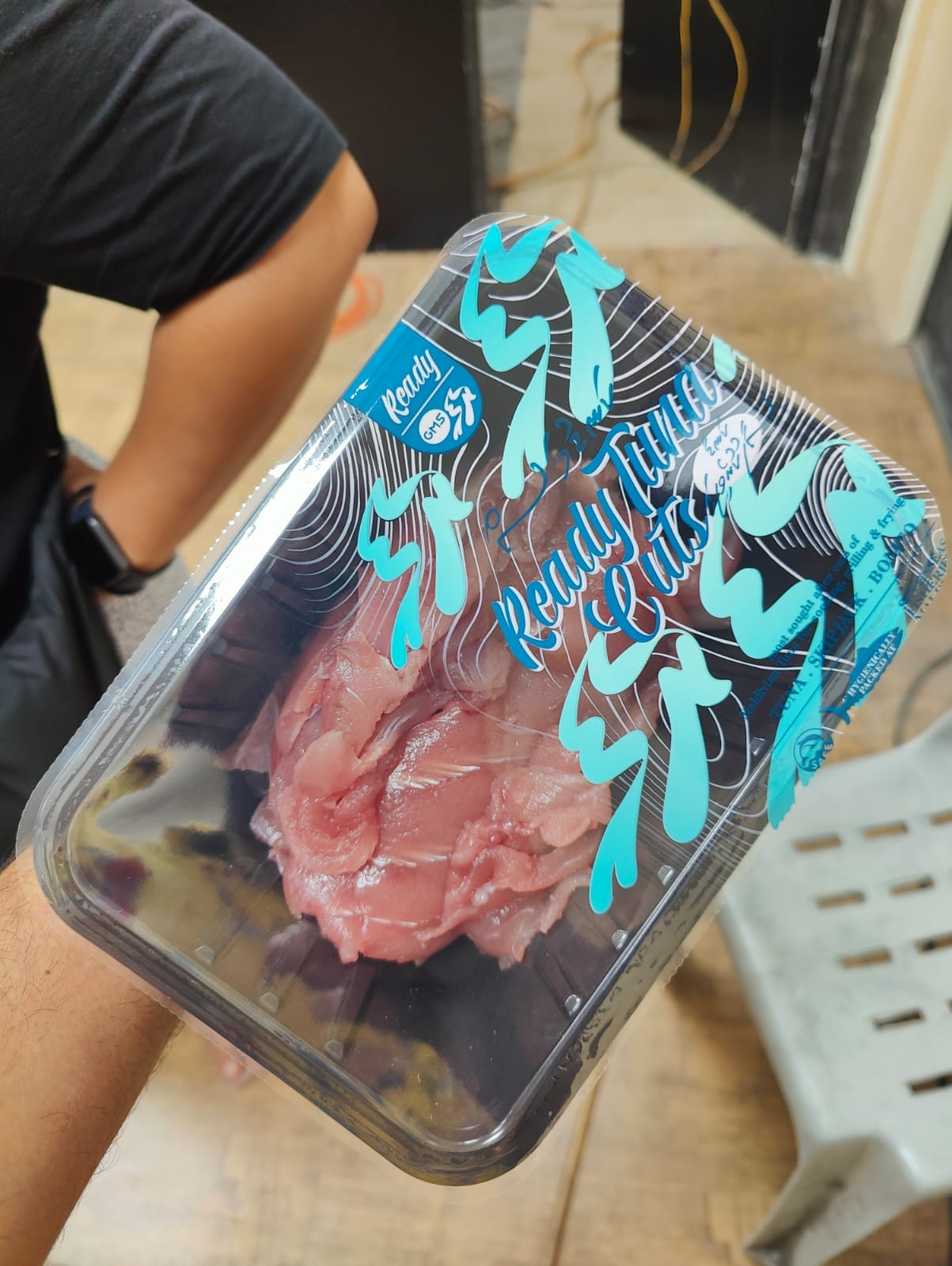
Evolisyon ak enpak anbalaj fim fleksib: Yon revolisyon dirab(6)
Fim fleksib
In an era where sustainability, komodite, ak inovasyon kondwi solisyon anbalaj, flexible films packaging has emerged as a cornerstone of modern industry. Soti nan manje ak pharmaceutique pou konsomatè elektwonik, materyèl adaptab sa yo ap chanje fason pwodwi yo pwoteje, transpòte, ak prezante. Ann eksplore dinamik yo, tandans, ak potansyèl lavni nan sektè dinamik sa a.
What Are Flexible Films Packaging?
Flexible films packaging refers to lightweight, non-rigid materials used to encase products. Unlike traditional rigid containers, these films—often composed of polymers like polyethylene (PE), polypropylène (PP), or multi-layer composites—conform to the shape of their contents, minimizing waste and optimizing space.
Karakteristik kle yo enkli:
- Lejè & Dirab: Reduces shipping costs and carbon footprints.
- Pwopriyete baryè: Pwoteje kont imidite, oksijèn, ak limyè, pwolonje lavi etajè.
- Pèsonalizasyon: Printable, sealable, and adaptable to diverse formats (valiz, sak, ranmèt).
Kwasans mache & Key Drivers
The global flexible packaging market was valued atDola Ameriken 210.62 milya nan 2023 and is projected to reachDola Ameriken 238.91 milya pa 2029, ap grandi nan yon CAGR nan2.12%. Key drivers include:
- Shift from Rigid to Flexible Solutions: Brands prioritize cost-efficiency and sustainability, favoring flexible films over heavier, less eco-friendly alternatives.
- E-commerce Boom: Online retail demands lightweight, damage-resistant packaging for safe deliveries.
- Swen Sante & Food Demand: Pharmaceuticals and perishable goods require sterile, airtight packaging, fueling innovation in high-barrier films.
Innovations in Material Science
Recent advancements in flexible film technology focus onsustainability and performance:
- Mono-Material Structures: Konpayi yo renmen Huhtamaki are pioneering single-polymer films (Eg., PE or PP) pou senplifye resiklaj.
- Fim biodégradables: Made from renewable resources (Eg., PLA), these reduce plastic waste.
- High-Baryè Coatings: Advanced polymers like klori polivinilidèn (PVDC) or ethylene vinyl alcohol (Evoh) enhance shelf life without compromising recyclability.
Regional Dynamics
Asia-Pacific dominates the market, kontablite pou58% of global volume in 2023, kondwi pa:
- Rapid Urbanization: Rising middle-class populations in China and India boost demand for packaged goods.
- E-commerce Expansion: Online shopping platforms like Alibaba and Flipkart rely on flexible films for efficient logistics.
- Pouse regilasyon: Governments mandate eco-friendly packaging, accelerating adoption of recyclable/compostable films.
Defi & Pespektiv nan lavni
Despite growth, the sector faces hurdles:
- Resiklaj konpleksite: Fim milti-kouch yo difisil pou separe, complicating circular economy efforts.
- Volatilité materyèl kri: Fluctuating polymer prices impact margins.
Sepandan, the future looks promising:
- Smart anbalaj: Films embedded with sensors for freshness tracking or anti-counterfeiting.
- Konsepsyon sikilè: Modular, reusable packaging systems that minimize waste.
- Collaborative Innovation: Partnerships between material scientists, brands, and recyclers to close the loop.
Konklizyon
Flexible films packaging is more than a convenience—it’s a strategic imperative for a sustainable future. As brands and consumers demand smarter, greener solutions, this sector will continue to evolve, blending cutting-edge science with practical design. The road ahead? A balance of innovation, responsibility, and adaptability to meet the needs of a changing world.
Stay tuned for more insights on packaging trends—where science meets sustainability! 🌍📦✨
Sous: QYResearch, MarketsandMarkets, GlobeNewswire, Packaging World