Anbalaj fim fleksib: Lavni nan Dirab, Versatile, ak Pwoteksyon Smart Product
Anbalaj fim fleksib
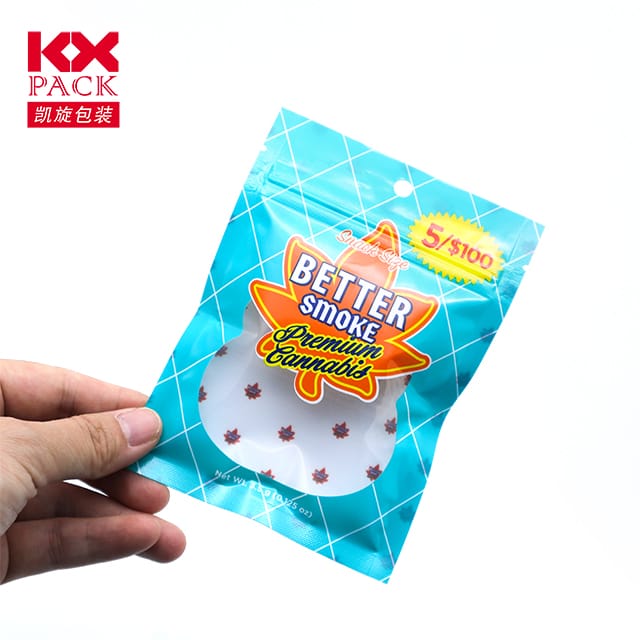
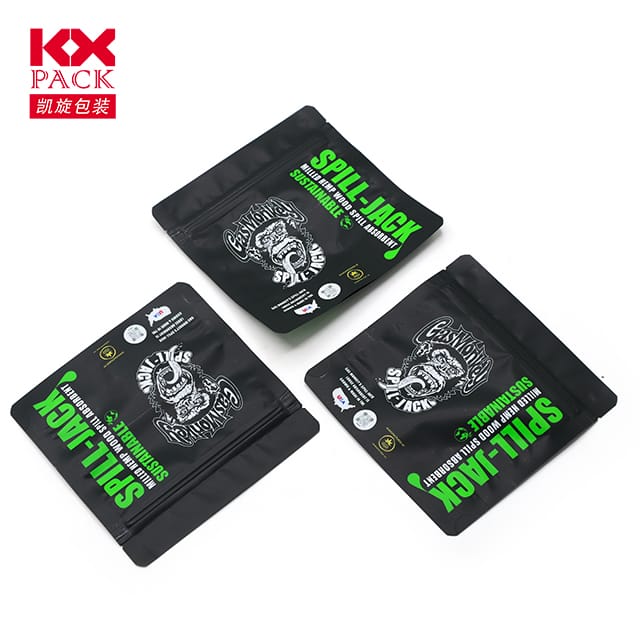
Nan yon mond kote konvenyans, dirabilite, ak inovasyon kondwi chwa konsomatè yo, flexible film packaging te parèt kòm yon chanjman jwèt atravè endistri yo. Soti nan manje ak bwason ak pharmaceutique ak pwodui kosmetik, sa a lejè, materyèl adaptab ap redefini fason pwodwi yo estoke, transpòte, ak prezante. Men, sa ki fè anbalaj fim fleksib konsa revolisyonè? Ann debake benefis li yo, defi, ak tandans nan lavni.
Why Flexible Film Packaging? The Key Advantages
- Lejè & Espas-efikas
Anbalaj fim fleksib (think pouches, sak, ak vlope) weigh significantly less than rigid packaging like glass or metal. This reduces shipping costs, lowers carbon footprints, and maximizes shelf space in stores. - Versatility san parèy
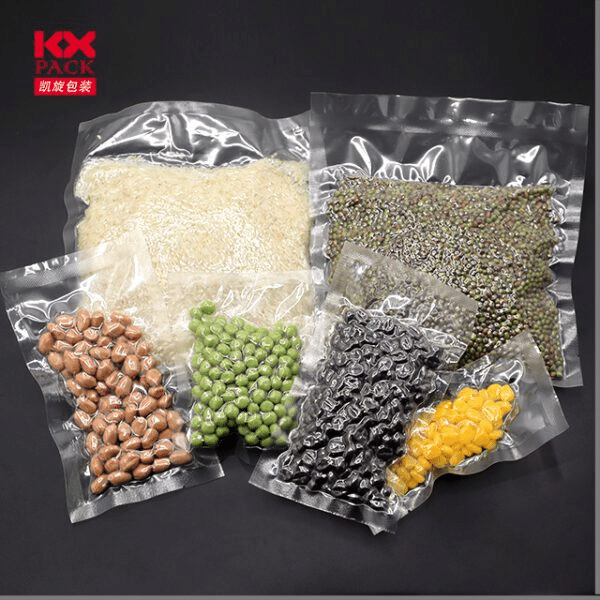
Whether it’s a stand-up pouch for snacks, a vacuum-sealed bag for meat, or a multi-layer film for sensitive electronics, flexible packaging adapts to any product’s needs. It can be printed with vibrant graphics, resealable zips, or easy-tear notches for user convenience. - Lavi etajè pwolonje
Advanced barrier films (made from materials like polyethylene, aliminyòm, or biodegradable polymers) protect against oxygen, imidite, limyè, ak kontaminan yo. This keeps products fresher for longer—critical for perishables like coffee, fwomaj, or baby food. - Eco-Friendly Potential
While traditional plastics face scrutiny, flexible films are evolving. Inovasyon yo enkli materyèl konpostab, recyclable mono-structures, epi thinner films that use less raw material without sacrificing strength.
Industries Reaping the Benefits
- Manje & Bwason: From single-serve coffee pods to frozen veggie pouches, flexible packaging reduces waste and preserves flavor.
- Famasetik: Child-resistant blister packs and moisture-proof sachets ensure medication safety.
- Kosmetik & Swen Pèsonèl: Travel-sized tubes, resealable shampoo pouches, and airless pump bottles enhance user experience.
- Yo Vann an Detay & E-Komès: Lightweight packaging lowers shipping costs for online orders, while eye-catching designs boost brand appeal.
Defi & the Path to Sustainability
Malgre avantaj li yo, flexible film packaging faces hurdles:
- Resiklabalite: Many multi-layer films (combining plastic, aliminyòm, ak papye) are difficult to recycle.
- Pèsepsyon Konsomatè: Plastic waste concerns push brands toward alternatives, even if flexible films are often more sustainable than rigid options when considering full lifecycle impacts.
- Presyon regilasyon: Gouvènman yo ap enpoze règ pi sevè sou plastik ki sèvi ak yon sèl, accelerating the need for eco-friendly solutions.
Solisyon sou orizon an:
- Fim mono-materyèl: Using a single polymer (tankou PE oswa PP) simplifies recycling.
- Industrial Composting: Certified compostable films break down in 180 days under industrial conditions.
- Resiklaj chimik: Advanced processes convert mixed plastics back into raw materials.
Innovations mete lavni an
- Active & Intelligent Packaging
Films embedded with sensors can detect spoilage (Eg., freshness indicators on meat packaging) or release antioxidants to preserve products. - Fim manjab
Made from seaweed, lanmidon, oswa pwoteyin, these biodegradable coatings could replace plastic wrappers for items like candy or fresh produce. - Smart Labels
QR codes or NFC chips on packaging enable traceability, anti-counterfeiting, and personalized consumer engagement.
How Brands Can Embrace Flexible Films Responsibly
- Prioritize Recyclable/Compostable Options: Partner with suppliers offering certified eco-friendly materials.
- Educate Consumers: Clearly label recycling instructions and promote reuse (Eg., resealable pouches for storage).
- Design for Circularity: Avoid mixed materials if possible and advocate for improved recycling infrastructure.
Refleksyon final: Yon avni fleksib
Flexible film packaging isn’t just a trend—it’s a response to modern demands for efficiency, dirabilite, ak inovasyon. While challenges remain, advancements in material science and recycling technology are paving the way for a greener future.
Kòm konsomatè yo, we can support brands that prioritize eco-friendly flexible packaging. As businesses, investing in sustainable solutions isn’t just good for the planet—it’s a smart strategy for staying competitive in an evolving market.
The next time you unzip a snack pouch or peel open a coffee bag, sonje: that thin, flexible film is a tiny marvel of engineering—and it’s here to stay.
Pataje panse w: Have you noticed a shift toward flexible packaging in your favorite products? Ann diskite nan kòmantè yo! 🌱📦💡