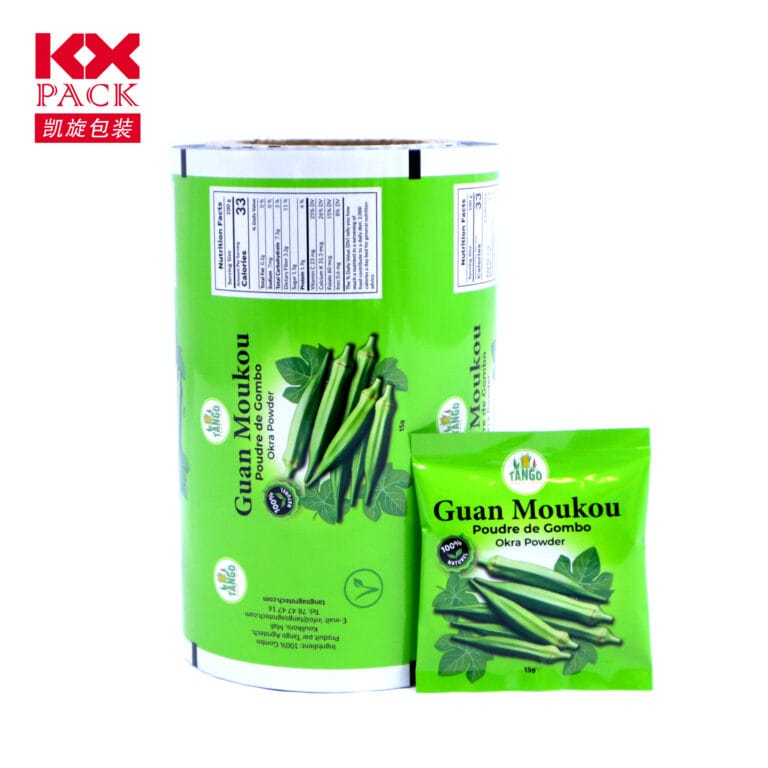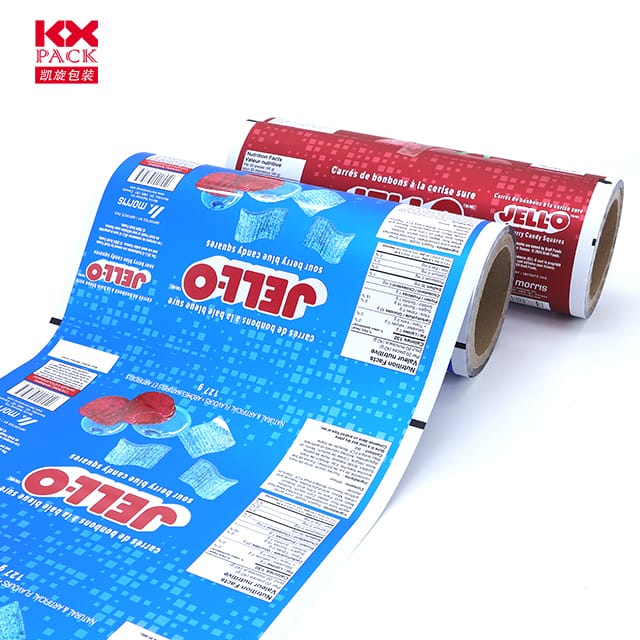
Enpak Anviwònman ki pa wè nan anbalaj fim woulo liv la ak Ki jan yo dewoule yon avni ki pi vèt
Film Roll Emballage
From fresh produce wraps to e-commerce mailers, fim woulo liv anbalaj-mens, dra plastik fleksib yo itilize pou pwoteksyon ak sele-se omniprésente nan lavi modèn. Pandan ke li lejè, konsepsyon pri-efikas sanble pratik, anprint anviwònman an rakonte yon istwa ki pi fonse. Chak ane, dè milya de liv fim woulo liv fatra bouche depotwa yo, oseyan, ak ekosistèm yo, highlighting an urgent need for systemic reform.
Why Film Roll Packaging Is a Recycling Conundrum
Film Roll Emballage , typically made from low-density polyethylene (LDPE) or linear low-density polyethylene (LLDPE), poses unique recycling challenges:
- Contamination Risks:
Film often traps food residue, etikèt, oswa adhésifs, making it difficult to clean for recycling. Most municipal programs reject it due to contamination fears. - Logistical Hurdles:
Unlike rigid plastics, film rolls can jam machinery at recycling facilities. Specialized equipment is required to compact and process them, which many facilities lack. - Downcycling Dilemmas:
Menm lè yo resikle, film is typically “downcycled” into lower-value products like composite lumber or trash bags, perpetuating a cycle of single-use materials.
Nan peyi Etazini., only 5% nan Film Roll Emballage is recycled annually, with the rest ending up in landfills or as litter. Globalman, the situation is equally dire, with plastic film contributing to 20% of marine plastic pollution.
Innovations Driving Sustainable Film Roll Solutions
Despite these obstacles, industry leaders and startups are pioneering eco-friendly alternatives:
- Fim biodégradables ak konpostabl
- Companies like TIPA and BioPak are developing film rolls made from plant-based materials (Eg., lanmidon mayi, cassava) ki kraze nan enstalasyon konpostaj endistriyèl andedan 180 jou.
- These films meet ASTM D6400 standards for compostability, offering a viable alternative to traditional LDPE.
- Post-konsomatè resikle (PCR) Kontan
- Brands like Sealed Air and Novolex are incorporating 50%+ PCR content into their film rolls, diminye depandans sou plastik jenn fi.
- Some mailers now use 100% kontni resikle, though durability and cost remain barriers to widespread adoption.
- Reusable and Returnable Systems
- Bouk, a circular shopping platform, partners with retailers to offer reusable film packaging for dry goods. Customers return the packaging via prepaid labels for cleaning and reuse.
- Modular systems (Eg., adjustable-length film dispensers) reduce waste by allowing users to cut only what they need.
- Paper-Based Alternatives
- Innovations like coated kraft paper (Eg., Natureflex by Futamura) offer water resistance and flexibility, replacing plastic film for certain applications (Eg., pwodui fre).
How Consumers and Businesses Can Take Action
- For Consumers:
- Resikle Dwa: Check if your local grocery store accepts plastic film (many do via storefront bins). Avoid tossing film in curbside recycling.
- Choose Sustainable Brands: Look for labels like “100% Recycled” ou “Kay Konpostab” on packaging.
- Diminye Itilizasyon: Opte pou acha en, resipyan ki kapab itilize ankò, or minimal-packaging stores.
- For Businesses:
- Adopt PCR Film: Transition to film rolls with 30–50% recycled content. Partner with suppliers like RJG Plastics or Eco-Products.
- Design for Circularity: Ensure packaging is easily separable (Eg., no glued labels) and compatible with recycling streams.
- Educate Customers: Include clear disposal instructions on packaging and promote recycling programs.
- Policy and Advocacy:
- Support Extended Producer Responsibility (EPR) laws that require manufacturers to fund recycling infrastructure for film.
- Advocate for bans on single-use plastic films in non-essential applications (Eg., supermarket produce bags).
The Bigger Picture: Rethinking Flexible Packaging
Film Roll Emballage is a symptom of a broader problem: our reliance on disposable, single-use materials. To achieve true sustainability, we must redesign packaging systems entirely:
- Invest in Reuse Models: Prioritize returnable containers, refill stations, and deposit schemes.
- Innovate Materials: Fund research into biodegradable polymers or edible films (Eg., seaweed-based wraps).
- Shift Consumer Behavior: Normalize reusable bags, containers, and bulk buying through incentives and education.
Konklizyon: Wrapping Up a Greener Tomorrow
The next time you unroll a package or toss a plastic mailer, pause: that thin film could persist for centuries. But by supporting recyclable alternatives, advocating for policy change, and reducing consumption, we can unroll a future where packaging protects both products and the planet.
Act Now:
- Recycle your Film Roll Emballage at local drop-off points.
- Switch to brands using compostable or recycled-content film.
- Share this post to raise awareness about film’s hidden environmental cost.
Ansanm, we can turn the tide on plastic waste—one flexible roll at a time.
Sous: Fondasyon Ellen MacArthur, EPA, Packaging Digest, TIPA Corp.