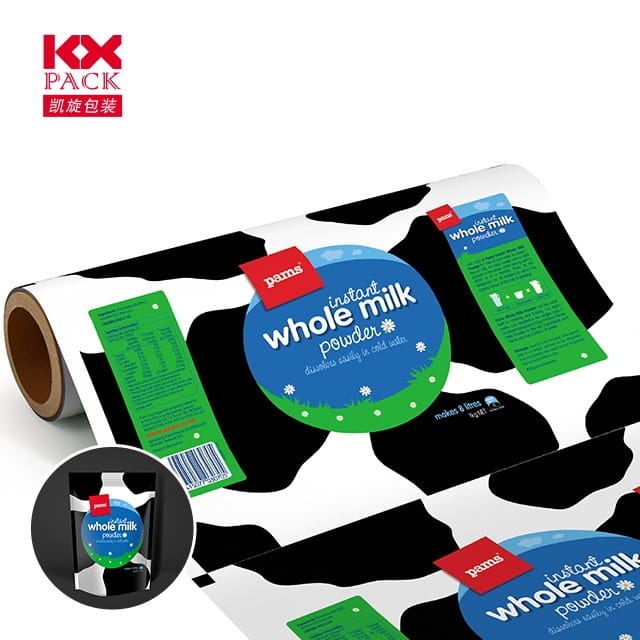
Eksplore evolisyon ak inovasyon nan fim plastik: Yon apèsi konplè(2)
Fim Plastik
Tèm nan “Fim Plastik” refere a yon kategori versatile nan mens, materyèl fleksib ki sòti nan polymère, jwe yon wòl enpòtan nan tout endistri yo. Soti nan solisyon anbalaj nan aplikasyon teknoloji avanse, plastik fim te transfòme manifakti modèn ak abitid konsomatè yo. Blog sa a fouye nan siyifikasyon yo, dènye inovasyon yo, ak tandans nan lavni.
1. Fondasyon an: Types and Applications
Film plastics encompass a range of materials, including polyethylene (PE), polypropylène (PP), polyestè (PET), and biodegradable polymers like PLA. Lejè yo, dirab, and cost-effective properties make them indispensable in:
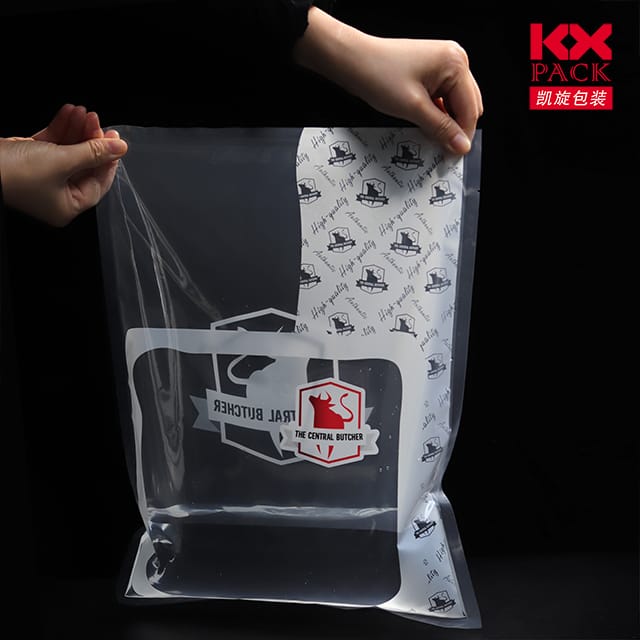
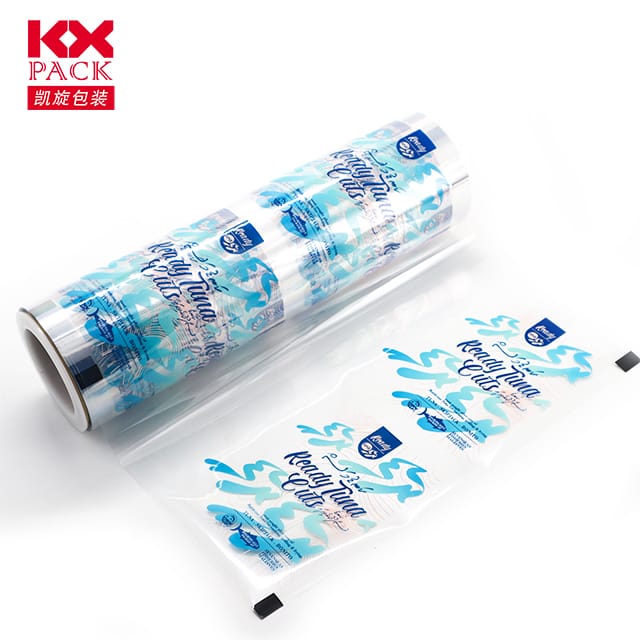
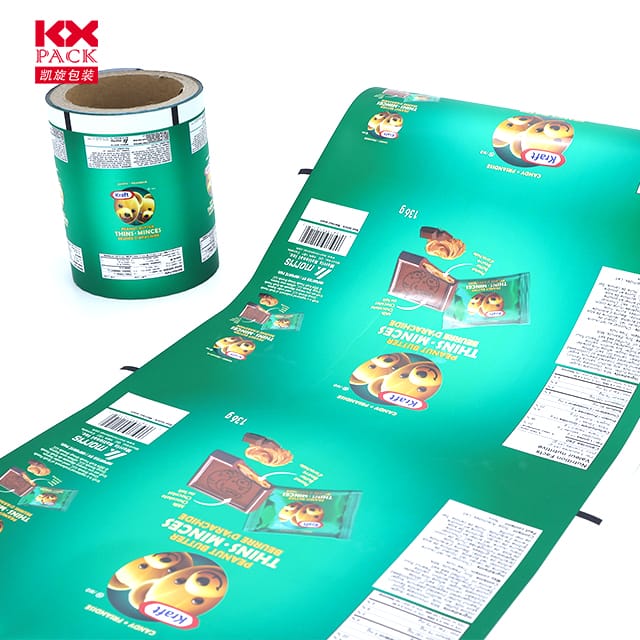
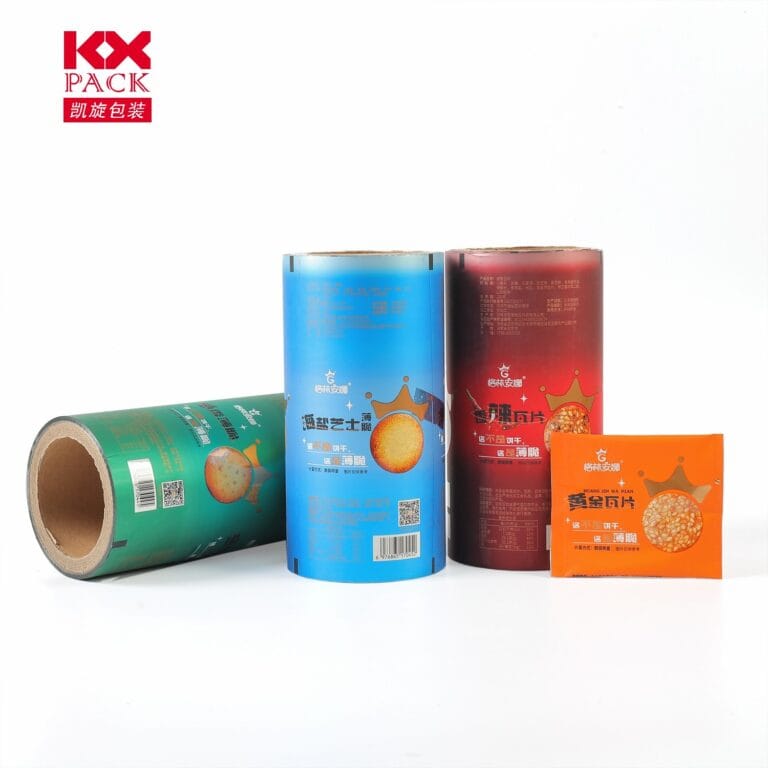
- Anbalaj: Food-grade films extend shelf life, while industrial films protect goods during transit.
- Agrikilti: Mulching films improve crop yields by retaining soil moisture.
- Elektwonik: Conductive and insulating films enable high-performance circuit boards.
- Medical Devices: Sterile packaging and implantable materials rely on biocompatible films.
2. Market Dynamics and Growth
The global film plastic market is experiencing steady expansion, kondwi pa:
- Rising Demand: The packaging sector, particularly in emerging economies, fuels consumption.
- Avansman teknolojik: Innovations like nanotechnology and multi-layer coextrusion enhance film functionality.
- Inisyativ dirabilite: Regulatory pressures and consumer demand push for biodegradable and recyclable films.
Dapre rapò endistri yo, the market size was valued at approximatelyDola Ameriken 787 milya nan 2022 and is projected to reachDola Ameriken 963.7 milya pa 2029, ak yon CAGR de 2.9%. Key players include China, the U.S., and Europe, where industries are rapidly adopting eco-friendly alternatives.
3. Innovations mete lavni an
3.1 Functional Films for Specialized Needs
- Antifog and Antistatic Films: These prevent condensation and static buildup, critical for electronics and food packaging.
- Fim segondè-baryè: Used in food and pharmaceutical packaging, they extend product shelf life by blocking oxygen and moisture.
- Fim entelijan: Incorporating RFID tags, temperature sensors, or QR codes, these films enhance traceability and consumer engagement.
3.2 Dirab: Enperatif vèt la
- Fim biodégradables: PLA (asid polilaktik) and other bio-based polymers reduce environmental impact. Pa egzanp, LVMH Group uses PLA-based films for luxury packaging.
- Kontni resikle: Brands like Coca-Cola and Mars are adopting 100% rPET (recycled PET) in their packaging, signaling a shift toward circular economy practices.
- Lejè: Reducing material thickness without compromising strength—such as PepsiCo’s 10% lighter 330ml PET bottles—cuts costs and carbon footprints.
3.3 High-Performance Films for Emerging Industries
- Automotive Lightweighting: Films like PA6/12 and PPE+PA composites reduce vehicle weight, boosting fuel efficiency. BMW’s i3 and Toyota’s ISO Dynamics resin seats exemplify this trend.
- Elektwonik: High-temperature-resistant films (Eg., PEEK, PPS) enable safer, faster-charging EV batteries.
- Medical Innovations: Biocompatible films for drug packaging and implants, such as Astellas’ bio-based blister packs, improve patient safety.
4. Defi ak Opòtinite
Malgre pwogrè, endistri a fè fas ak obstakl:
- Waste Management: Single-use plastics remain a concern, necessitating better recycling infrastructure.
- Konfòmite regilasyon: Stringent environmental laws (Eg., EU’s single-use plastic ban) require agile adaptation.
- Pri vs. Dirab: Biodegradable films often cost more, limiting adoption in price-sensitive markets.
Sepandan, these challenges drive innovation. Collaborations between academia and industry, such as Amat Medical’s PLCL polymer stents, show promise in closing the gap between performance and sustainability.
5. Wout la devan
The future of film plastics hinges on:
- Teknoloji resiklaj avanse: Chemical recycling of mixed plastics could unlock high-value applications.
- Smart anbalaj: Integration of IoT sensors for real-time product monitoring.
- Global Collaboration: Cross-industry partnerships to standardize sustainable practices.
Konklizyon
Film plastics are more than mere packaging materials—they are enablers of innovation, efisyans, ak dirab. Kòm endistri yo evolye, so too must these films, balancing performance with environmental responsibility. The journey ahead demands creativity, kolaborasyon, and a commitment to a greener future.
What are your thoughts on the future of film plastics? Share your insights in the comments below!