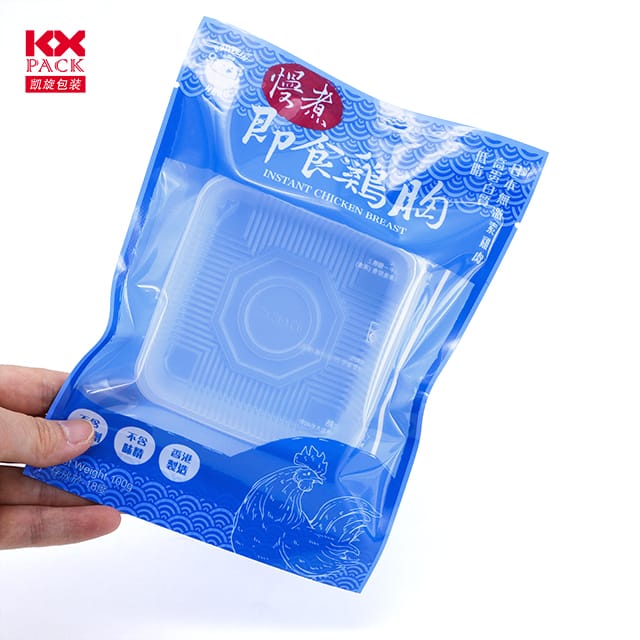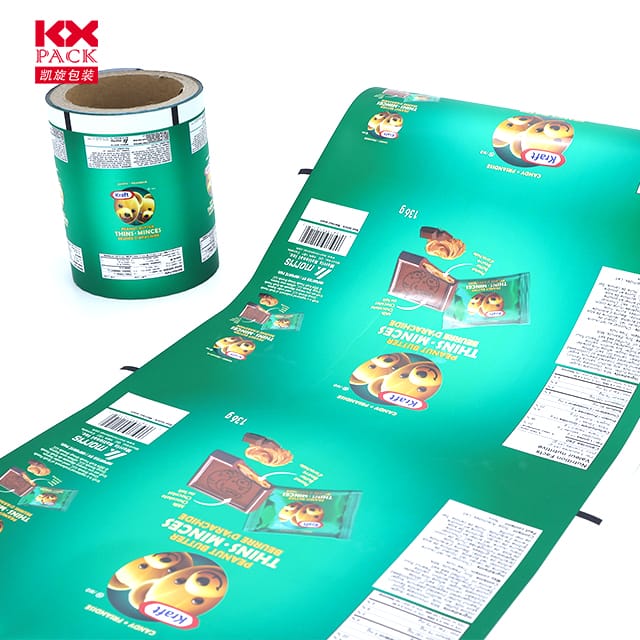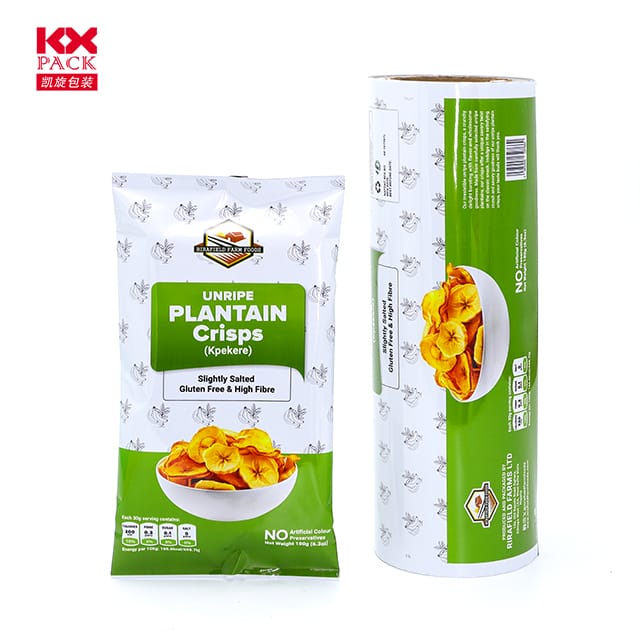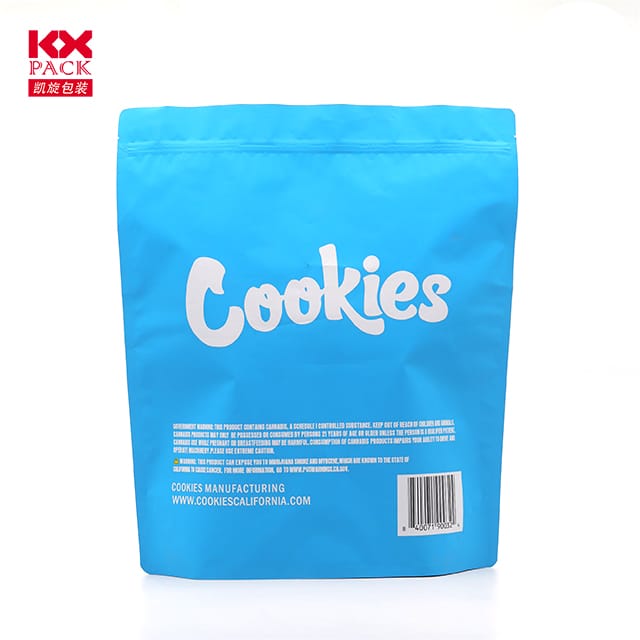
Inovatè fim anbalaj pou manje: Prezève Frechè ak Dirab
Anbalaj fim
Nan mond rapid-ritm jodi a, anbalaj manje te evolye pi lwen pase wòl tradisyonèl li nan jis pwoteje ak prezante pwodwi yo. Anbalaj fim modèn pou manje pa sèlman asire sekirite ak fraîcheur manjab nou yo, men tou jwe yon pati enpòtan nan pwomosyon dirab ak diminye enpak anviwònman an.. Let’s delve into the fascinating world of innovative film packaging for food and explore how it is transforming the industry.
Film packaging for food has come a long way from simple wrappers and bags made from basic plastics. Jodi a, we have a wide array of materials and technologies at our disposal, each designed to meet specific needs in terms of shelf life, transportability, and environmental friendliness. Materials like polyethylene (PE), polypropylène (PP), polyestè (PET), and ethylene vinyl alcohol (Evoh) are commonly used, offering a balance between barrier properties, fleksibilite, ak pri-efikasite.
Preserving Freshness
One of the primary functions of film packaging is to extend the shelf life of food products by creating a barrier against oxygen, imidite, ak kontaminan yo. Modified atmosphere packaging (MAP) is a popular technique where the gas composition inside the package is controlled to slow down oxidation and microbial growth. This not only preserves the quality and taste of the food but also reduces the need for preservatives.
Active packaging technologies further enhance freshness by incorporating additional layers or additives that can absorb gases, release antioxidants, or even indicate spoilage through color changes. These intelligent packaging solutions are particularly beneficial for perishable goods like fresh produce, vyann, ak pwodwi letye.
Promoting Sustainability
Kòm konsomatè yo vin pi konsyan anviwònman an, the demand for sustainable packaging solutions is growing rapidly. Biodegradable and compostable films made from plant-based materials such as polylactic acid (PLA), polyhydroxyalkanoates (PHA), and cellulose-based derivatives are gaining traction. These materials offer a reduced carbon footprint compared to conventional plastics, as they decompose naturally after disposal.
Anplis, circular economy principles are being integrated into film packaging design. This involves creating packaging that can be easily recycled or reused, minimizing waste generation. Fim milti-kouch, pou egzanp, are now being engineered to be separable, allowing for efficient recycling of each component material.
Innovations in Film Packaging
The future of film packaging for food is incredibly exciting, with ongoing research and development pushing the boundaries of what’s possible. Nanotechnologie, pa egzanp, is being explored to create ultra-thin films with enhanced barrier properties, reducing material usage and improving performance. Anbalaj entelijan, incorporating sensors and RFID tags, can monitor the condition of food in real-time, providing consumers with accurate information about freshness and safety.
Edible films and coatings, made from natural ingredients like gelatin, seluloz, and wax, are another innovative approach. These films not only protect food but can also add nutritional value or enhance the sensory experience.
Konklizyon
The evolution of film packaging for food reflects a commitment to innovation, dirabilite, and consumer well-being. By continuously advancing materials, teknoloji, and design strategies, the industry is addressing the challenges of food preservation, waste reduction, and environmental protection. As we move towards a more conscious and sustainable future, the role of film packaging in ensuring the safety, bon jan kalite, and appeal of our food will become even more critical. Stay tuned for the next wave of innovations that will continue to shape the future of food packaging.