Film laminasyon 101: Pwoteje, Amelyore, ak transfòme sifas ak yon kouch mens nan inovasyon
Film laminasyon
From glossy smartphone screens to vibrant packaging designs, laminasyon fim is a quiet hero in modern manufacturing and design. Pwosesis sa a enplike nan aplike yon mens, kouch fim pwoteksyon nan sifas yo, ofri durability, estetik, ak fonksyonalite. Kit ou se yon amater brikoleur, yon pwopriyetè biznis, oswa tou senpleman kirye sou materyèl chak jou, understanding film lamination can unlock creative possibilities and practical solutions.
Ki sa ki laminasyon fim?
Film lamination is the process of bonding a plastic film—typically made from materials like polyester (PET), polypropylène (PP), or vinyl—to a substrate (Eg., papye, katon, metal, or wood) lè l sèvi avèk chalè, presyon, oswa adhésifs. Rezilta a? A reinforced surface that resists scratches, imidite, Reyon UV, ak fennen, while often adding a sleek finish.
Benefis kle nan laminasyon fim
- Protection Against Wear and Tear
Laminated films act as a shield, safeguarding surfaces from spills, stains, fingerprints, ak fwotman. This makes them ideal for high-traffic items like menus, kat idantite, or outdoor signage. - Estetik amelyore
Fim vini nan ma, briyan, textured, oswa fini metalik, allowing designers to elevate visuals. A glossy laminate can make colors pop, while a matte finish reduces glare for readability. - Viv pwolonje
By preventing fading and degradation, lamination preserves the integrity of documents, travay atistik, or product labels, reducing the need for replacements. - Functional Upgrades
Specialized films can add properties like anti-graffiti coating, antimicrobial protection, or even RFID-blocking capabilities for security.
Types of Film Lamination Techniques
- Laminasyon tèmik
Uses heat to activate an adhesive layer on the film, bonding it to the substrate. Common for paper-based products like business cards or book covers. - Pressure-Sensitive Lamination
Relies on adhesive-backed films applied with pressure (Eg., via rollers or manual tools). Perfect for irregular surfaces or on-the-go repairs. - Liquid Lamination
A liquid coating is sprayed or rolled onto the surface, then cured to form a protective film. Often used for large-format prints or industrial applications. - Laminasyon frèt
Uses pressure alone to adhere films, eliminating the need for heat. Ideal for heat-sensitive materials like certain plastics or photographs.
Aplikasyon nan tout endistri yo
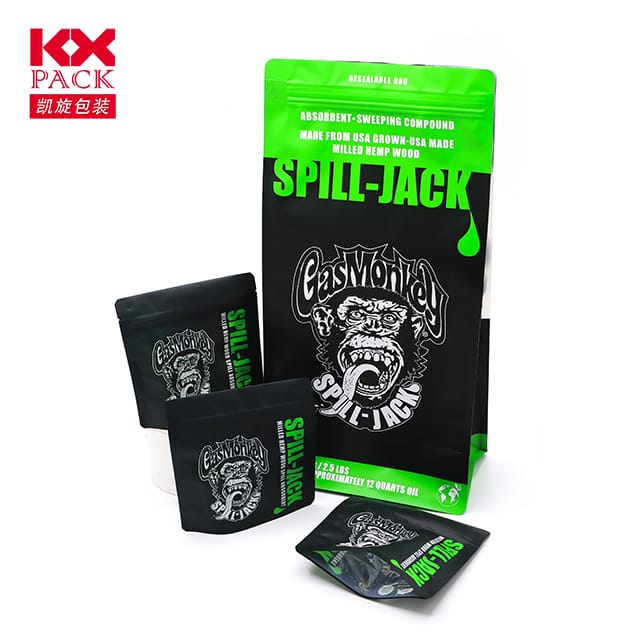
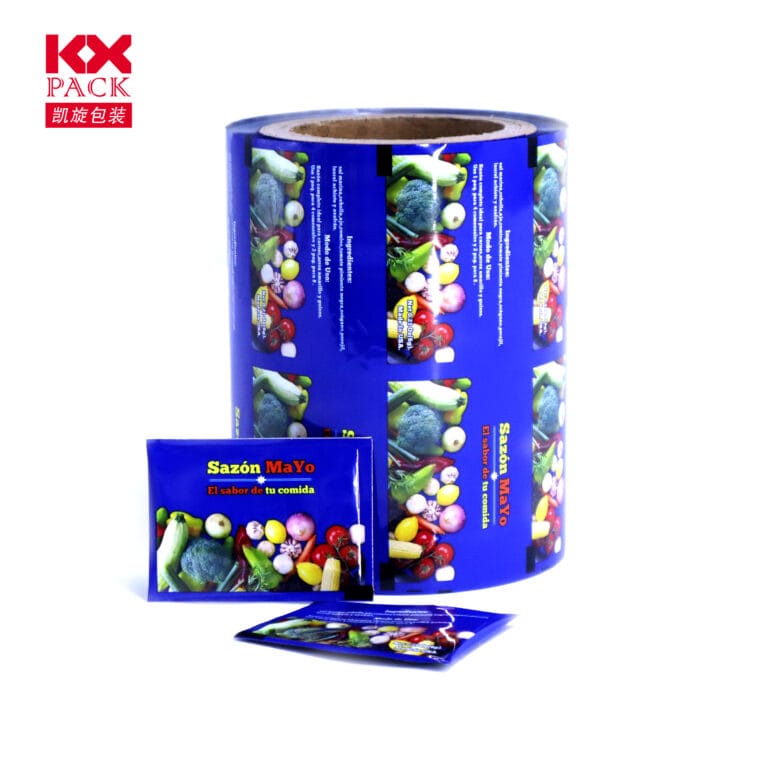
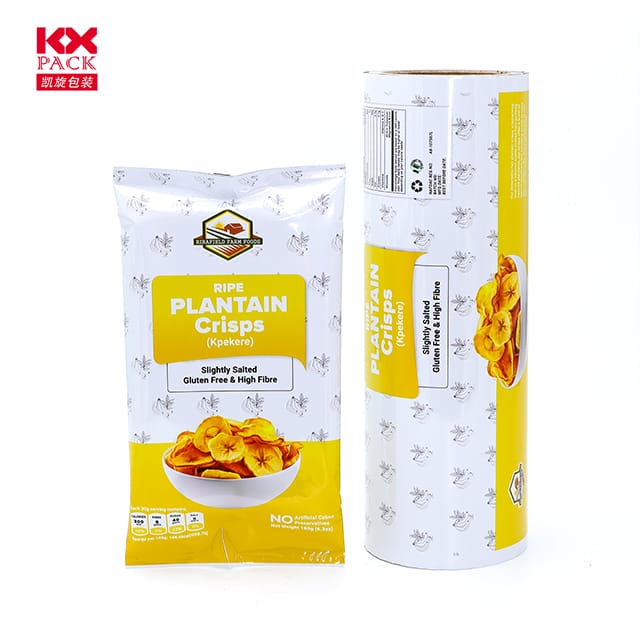
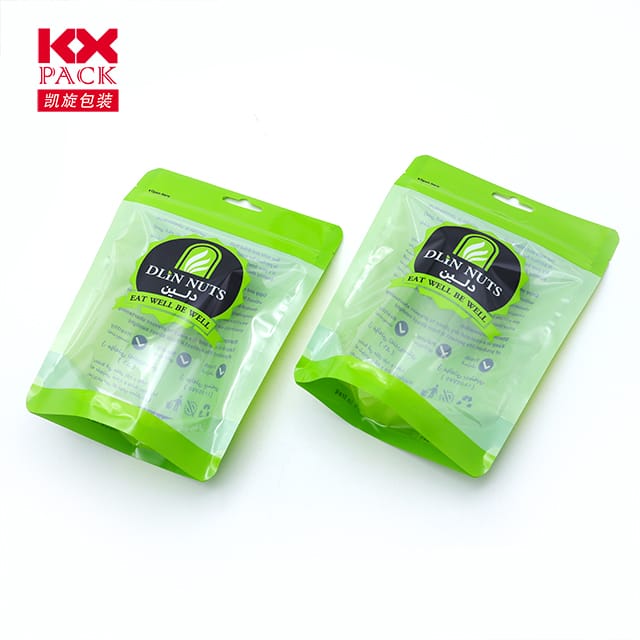
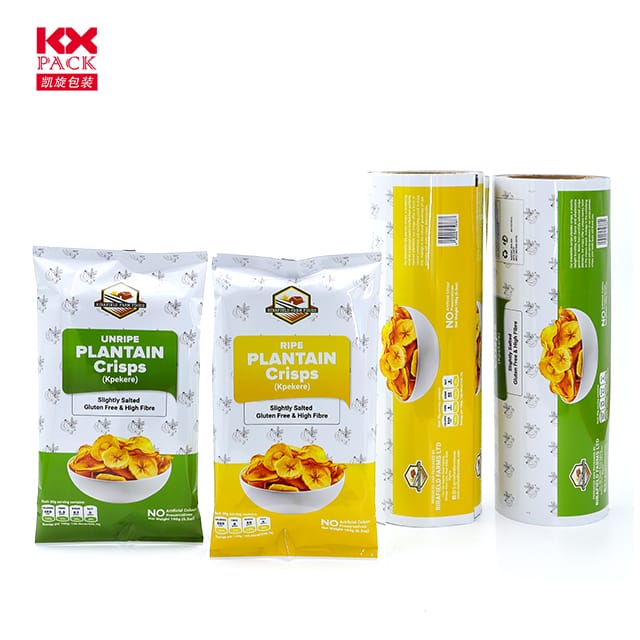
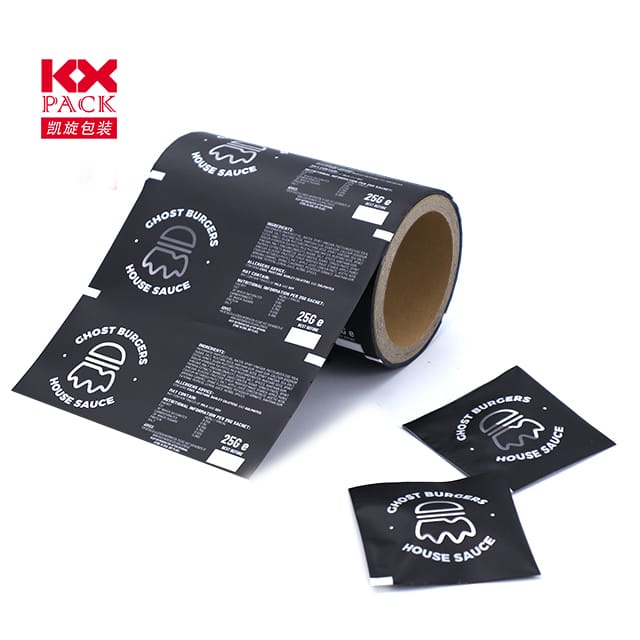
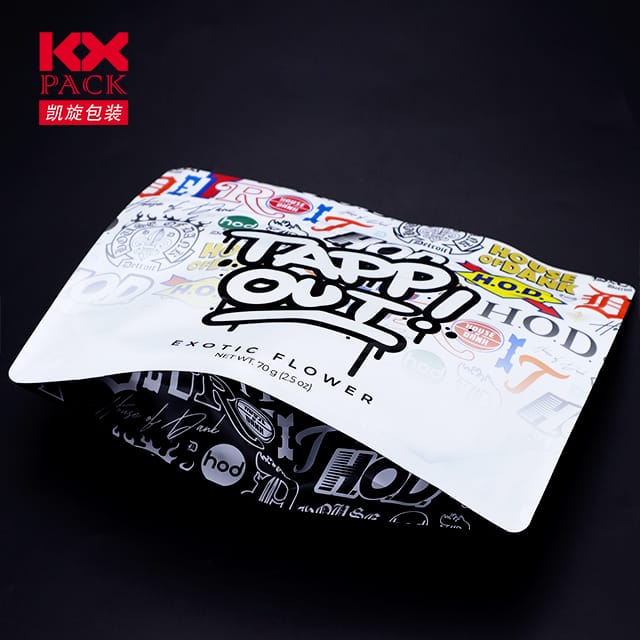
- Anbalaj: Laminated films keep food fresh and labels intact, even in humid environments.
- Elektwonik: Screen protectors and device casings use laminated films for scratch resistance and touch sensitivity.
- Otomobil: Dashboard overlays and interior panels rely on laminated films for durability and a premium feel.
- Art & Fotograf: Framed artwork or photo prints are laminated to prevent UV damage and yellowing.
- Konstriksyon: Laminated glass and architectural films improve safety and energy efficiency in buildings.
DIY Film Lamination: Tips for Beginners
Want to try lamination at home? Here’s how to get started:
- Chwazi fim nan dwa: Opt for a self-adhesive vinyl or PET film for simplicity.
- Clean the Surface: Dust or grease can cause bubbles—wipe the substrate thoroughly.
- Use a Squeegee: Apply the film slowly, using a squeegee to push out air bubbles as you go.
- Trim Excess: A sharp craft knife ensures clean edges.
For larger projects, consider investing in a basic laminating machine (available for under $50 for home use).
Konsiderasyon dirabilite
While lamination extends product life, it’s important to address recycling challenges. Many laminated materials are hard to separate into film and substrate, leading to landfill waste. Sepandan, innovations like:
- Fim biodégradables te fè soti nan materyèl ki baze sou plant.
- Recyclable laminates designed for easy separation.
- Reusable films (Eg., static-cling overlays) are reducing environmental impact.
Lavni nan laminasyon fim
Advancements in nanotechnology and smart materials are pushing boundaries. Imagine laminates that:
- Self-heal scratches.
- Change color with temperature or light.
- Generate energy via embedded solar cells.
The possibilities are as thin—and limitless—as the films themselves!
Refleksyon final
Film lamination is more than just a protective layer—it’s a tool for innovation, dirabilite, ak kreyativite. Whether you’re preserving memories, branding products, or designing the next breakthrough material, this humble technology deserves a closer look.
Have you used film lamination in a project? Share your tips or favorite applications in the comments below! 🎬✨