Evolucija i utjecaj plastične folije: Od inovacije do održivosti (3)Izazovi
Plastični film
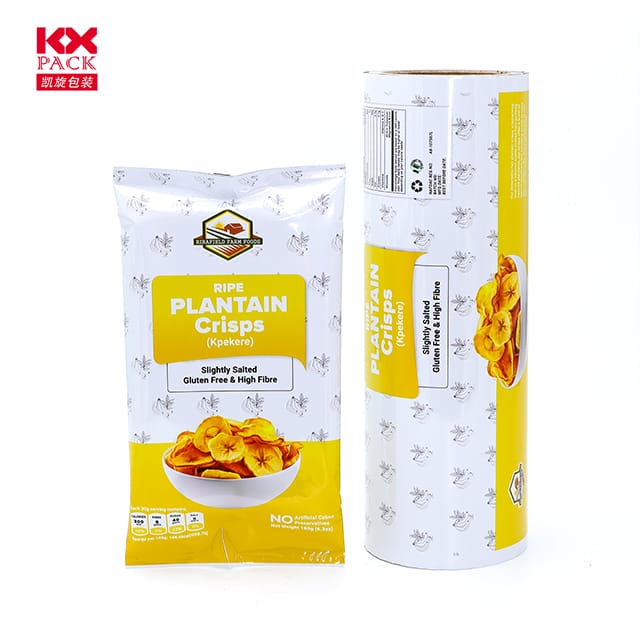
Plastic film, svestran ali često nedovoljno cijenjen materijal, prožima suvremeni život na bezbroj načina. Od pakiranja hrane i zaštite usjeva do poboljšanja medicinskih uređaja i izolacije zgrada, njegova lagana izdržljivost i isplativost učinile su ga nezamjenjivim. Međutim, Kako se tiče okoliša, industrija plastičnih filmova suočava se s kritičnom prekretnicom: balancing innovation with sustainability.
A Multifaceted Marvel: Prijave u industriji
Plastic film’s adaptability stems from its composition—typically polyethylene (PE), polipropilen (PP), or polyvinyl chloride (PVC)—which can be tailored for specific uses:
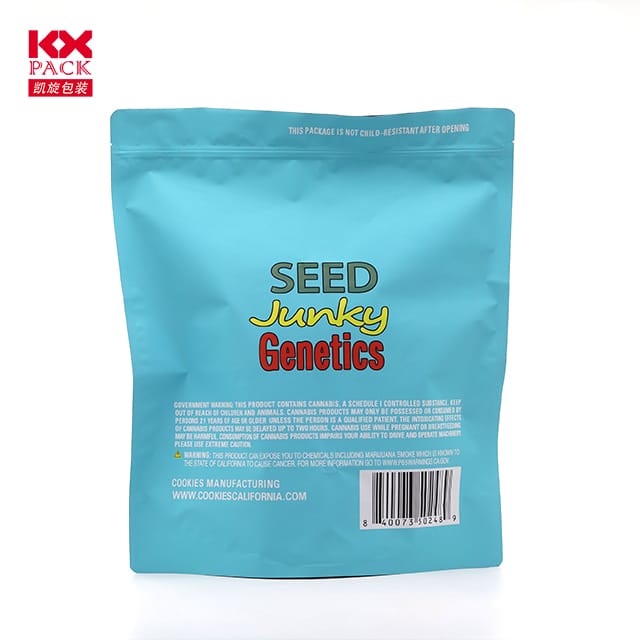
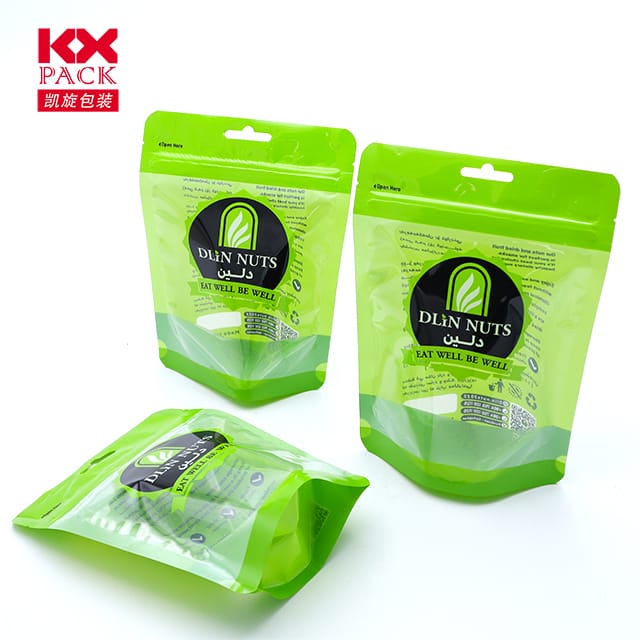
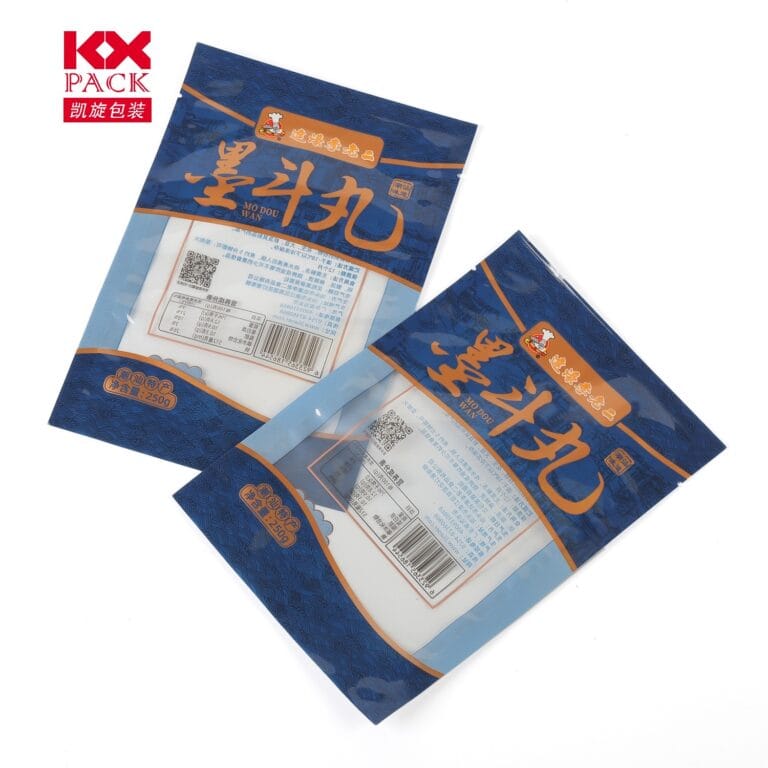
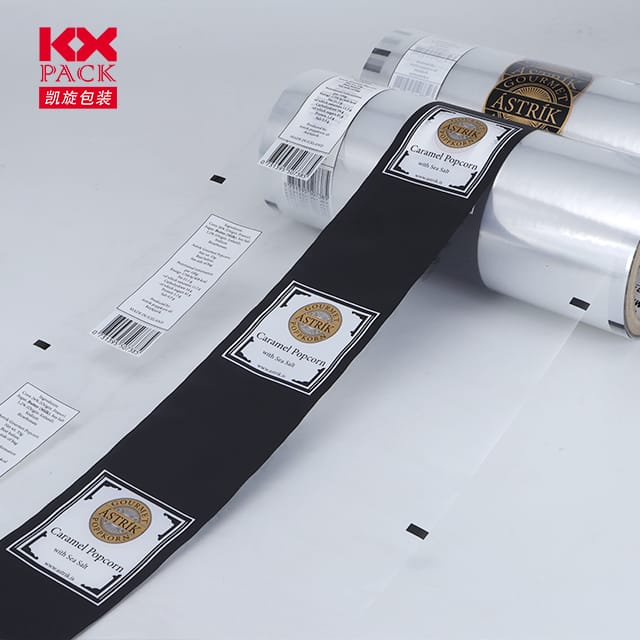
- Pakiranje hrane: Stretch films, cling wraps, and vacuum-sealed pouches extend shelf life and reduce waste.
- Poljoprivreda: Mulch films conserve water, suppress weeds, and boost crop yields by up to 30% in arid regions.
- zdravstvo: Sterile wraps for surgical instruments and blister packs for pharmaceuticals ensure safety and hygiene.
- Izgradnja: Vapor barriers and shrink films protect buildings from moisture during construction.
The global plastic film market, procijenjen na$160 milijardi u 2023, is projected to grow at 4.5% annually, driven by emerging economies and e-commerce packaging demands.
Zagonetka zaštite okoliša: Dvosjekli mač
Unatoč svojoj korisnosti, plastic film’s environmental footprint is undeniable:
- Waste Accumulation: Single-use plastic films, such as shopping bags and food wraps, account for20% of marine plastic pollution, entangling wildlife and microplastics infiltrating ecosystems.
- Recikliranje prepreka: Thin, multi-layered films are difficult to sort and process, with recycling rates hovering around5–15% in developed nations.
- Microplastic Threat: Fragmented films release tiny particles into soil and water, posing risks to human health through the food chain.
Regulatory pressures, such as the EU’sSingle-Use Plastics Directive and China’s ban on non-degradable bags, are forcing industries to rethink plastic film’s role.
Pioneering Solutions for a Circular Future
Kako bismo odgovorili na te izazove, manufacturers and innovators are exploring sustainable alternatives:
- Biorazgradivi i kompostabilni filmovi:
- Materials like PLA (polilaktična kiselina), dobiven iz kukuruznog škroba, and PBAT (polybutylene adipate terephthalate) offer eco-friendly options. Marke poputNatureWorks iBasf are scaling production.
- Studija slučaja: A UK supermarket chain replaced conventional bags with compostable PLA films, reducing plastic waste by 40%.
- Advanced Recycling Technologies:
- Chemical recycling breaks down mixed plastics into raw materials, enabling closed-loop systems.
- Mechanical recycling upgrades post-consumer films into pallet wraps or construction materials.
- Reusable and Thinner Alternatives:
- High-barrier, recyclable mono-material films (Npr., PE-only packaging) simplify recycling.
- Inovacije poputedible seaweed-based coatings for fresh produce could eliminate single-use wraps entirely.
Industry Collaboration and Policy Drivers
Governments and corporations are aligning to accelerate change:
- Proširena odgovornost proizvođača (EPR) schemes in the EU and U.S. mandate brands to fund recycling infrastructure.
- Corporate Commitments: Unilever, Nestlé, and Walmart aim to use 100% recyclable or reusable packaging by 2025, driving demand for sustainable films.
- Agricultural Innovations: Biodegradable mulch films, tested in India and the U.S., decompose within 180 dana, reducing soil contamination.
Put ispred: Balancing Progress and Planet
The future of plastic film hinges on three pillars:
- Material Innovation: Scaling bio-based and recyclable alternatives without compromising performance.
- Circular Design: Prioritizing reusability, recyclability, and compostability in product development.
- Consumer Engagement: Educating the public on proper disposal and advocating for reuse systems.
As technologies mature and policies tighten, plastic film could transition from a symbol of environmental harm to a beacon of sustainable innovation. The challenge lies not in abandoning this versatile material, but in reimagining its lifecycle—from linear waste to circular resource.
Izvori: Smithers Pira, Ellen MacArthur Foundation, Industry Reports 2024
Zaključak: Plastic film, once a hallmark of convenience, now stands at a crossroads. By embracing innovation, suradnja, i upravljanje okolišem, the industry can safeguard both human needs and the planet’s future. The journey has begun—will we rise to the challenge?