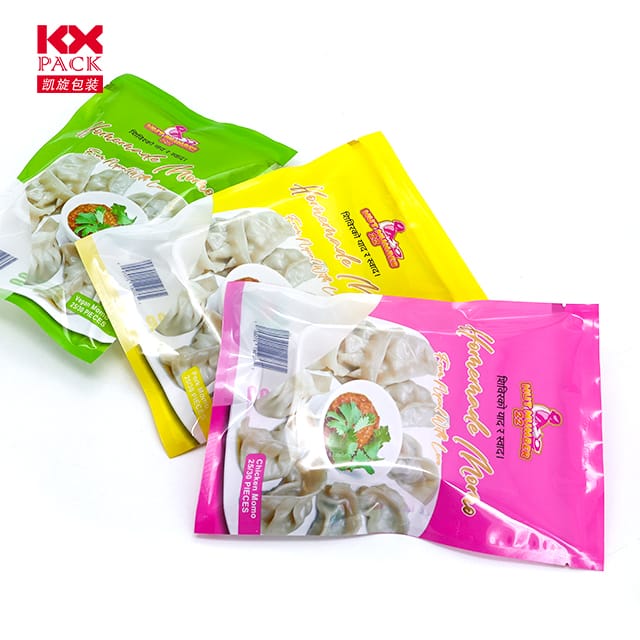
Mač s dvostrukim oštricama plastičnog filma u pakiranju hrane: Praktičnost vs. Održivost
Plastični film
In modern kitchens and supermarkets, plastic film for food—commonly known as cling wrap, Omotavanje prijedloga, ili omot hrane - postao je glavna osoba. Njegov proziran, rastezljiv, i nepropusna svojstva čine je idealnim za očuvanje svježine, Sprječavanje izlijevanja, i omotavanje ostataka. Još, Kako se tiče okoliša, Ovaj sveprisutni kuhinjski alat suočen je s nadzorom. Istražimo prednosti, nedostaci, and eco-friendly alternatives to plastic film in food storage.
1. Why Plastic Film Dominates Food Packaging
- Snaga očuvanja: Plastic film creates an airtight seal, slowing oxidation and bacterial growth. This extends the shelf life of produce, meso, and cooked meals by days or even weeks.
- Svestranost: From wrapping sandwiches to covering bowls, its flexibility allows it to conform to any shape.
- Ekonomičnost: A single roll costs just a few dollars and can last months, making it a budget-friendly choice for households and restaurants.
- Hygiene: Transparent and disposable, it reduces cross-contamination risks compared to reusable containers that may not be cleaned thoroughly.
2. Ekološki danak plastične folije
Despite its convenience, plastic film poses significant environmental challenges:
- Nije biorazgradivo: Većina plastičnih folija izrađena je od polietilena (PE), a petroleum-based material that takes 500+ godine razgraditi se.
- Onečišćenje mikroplastikom: When discarded improperly, it fragments into microplastics that infiltrate soil, vodeni putovi, and even human food chains.
- Barijere za recikliranje: Many curbside recycling programs don’t accept plastic film due to contamination risks. Samo 4% of U.S. plastic wrap is recycled annually (EPA, 2021).
- Kultura jednokratne upotrebe: The average household uses 1,500 plastic bags/wraps yearly, most of which end up in landfills or oceans.
3. Eco-Friendly Alternatives to Plastic Film
The good news? Sustainable swaps are readily available:
A. Oblozi od pčelinjeg voska
- Materijal: Pamučna tkanina presvučena pčelinjim voskom, ulje jojobe, i smola drveta.
- Prednosti: Reusable for up to a year, kompostiran, i prirodno antibakterijski.
- Najbolje za: Wrapping cheese, sendviče, or covering bowls.
- Drawback: Not vegan-friendly and melts near heat.
B. Silikonske navlake za hranu
- Materijal: Food-grade silicone (a synthetic rubber).
- Prednosti: Dishwasher-safe, reusable for years, i otporan na toplinu (great for sous-vide cooking).
- Najbolje za: Stretching over bowls, tave, or half-cut produce.
- Drawback: More expensive upfront (10–20 per set).
C. Reusable Fabric Covers
- Materijal: Pamuk ili lan s vodootpornom postavom (Npr., PUL fabric).
- Prednosti: Machine-washable, customizable in size, and breathable for produce.
- Najbolje za: Storing bread, herbs, or covering dough during rising.
D. Glass or Stainless Steel Containers
- Prednosti: Airtight, nepropustan, and infinitely recyclable.
- Najbolje za: Meal prepping, leftovers, and freezer storage.
4. How to Reduce Plastic Film Waste Today
Even if you’re not ready to ditch plastic film entirely, small changes can make a difference:
- Ponovno korištenje: Wash and dry plastic wrap gently to reuse it 2–3 times.
- Recycle Right: Check local programs for drop-off locations that accept plastic film (Npr., grocery store bins).
- Kupiti skupno: Avoid pre-wrapped produce; bring reusable mesh bags to the store.
- DIY Alternatives: Use a damp paper towel to keep greens fresh or store leftovers in jars.
5. The Future of Food Packaging
Innovations are emerging to bridge convenience and sustainability:
- Jestivi filmovi: Made from starch or seaweed, ti se oblozi mogu jesti ili kompostirati.
- Plant-Based Plastics: Biodegradable films derived from corn or sugarcane are entering the market.
- Pametno pakiranje: Sensors embedded in films could soon detect food spoilage, smanjenje otpada.
Završne misli: Balance Is Key
Plastic film’s role in food safety and preservation is undeniable, but its environmental impact demands action. By opting for reusable alternatives when possible and disposing of plastic responsibly, we can protect both our meals and the planet.
What’s your go-to plastic film alternative? Share your tips in the comments below—let’s inspire each other to make sustainable swaps! 🌍🥪
Izvori: EPA, National Geographic, and sustainability blogs like Treehugger.