Evolucija i utjecaj ambalaže od fleksibilne folije: Održiva revolucija(6)
Fleksibilni filmovi
In an era where sustainability, pogodnost, i inovativna rješenja za pakiranje, flexible films packaging has emerged as a cornerstone of modern industry. Od hrane i lijekova do potrošačke elektronike, ovi prilagodljivi materijali preoblikuju način na koji su proizvodi zaštićeni, transportiran, i predstavljeno. Istražimo dinamiku, trendovi, i budući potencijal ovog dinamičnog sektora.
What Are Flexible Films Packaging?
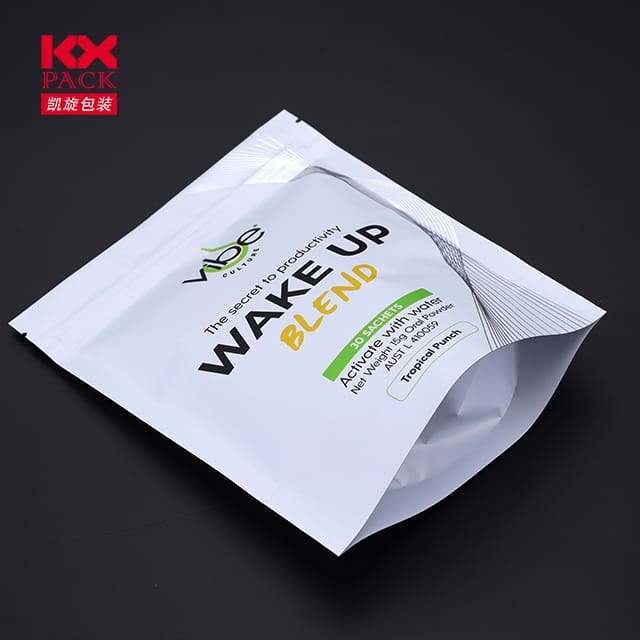
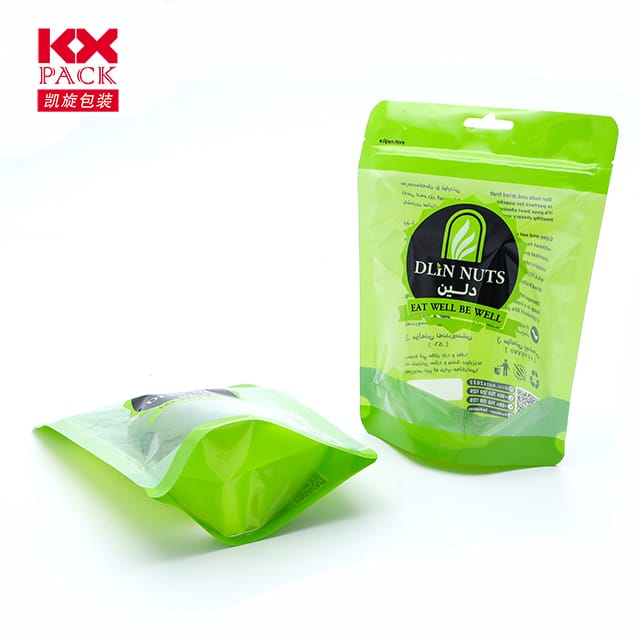
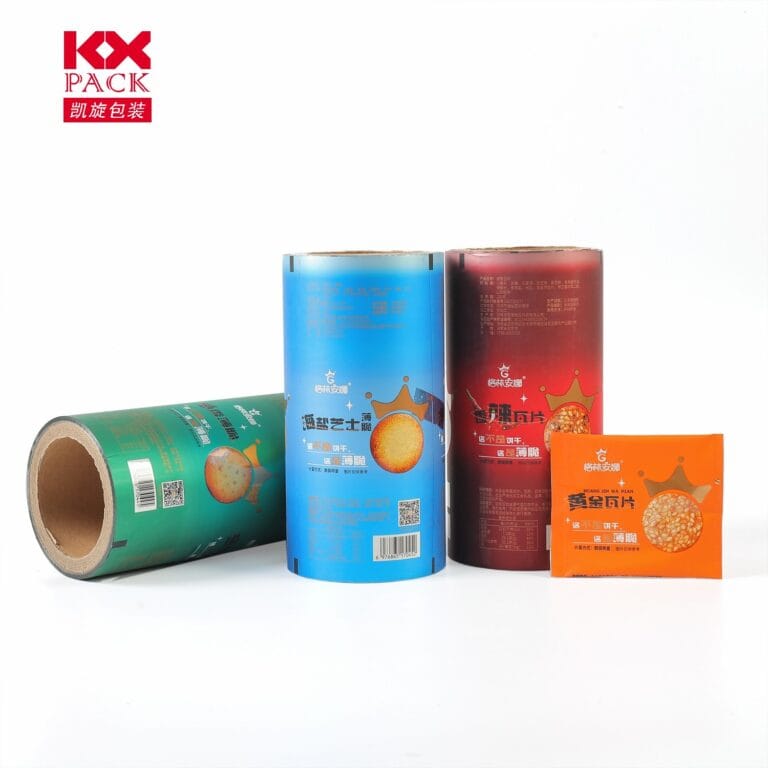
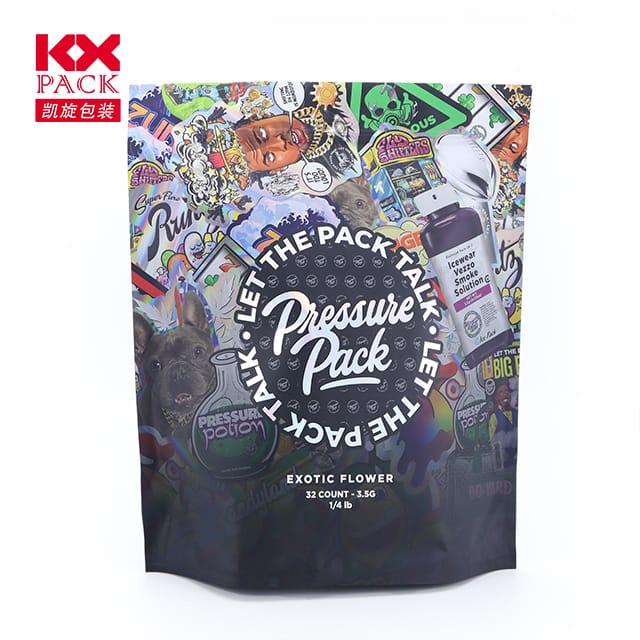
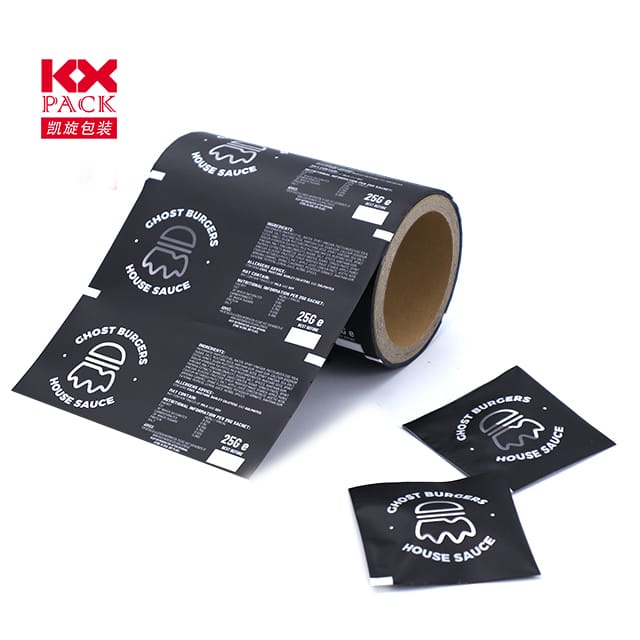
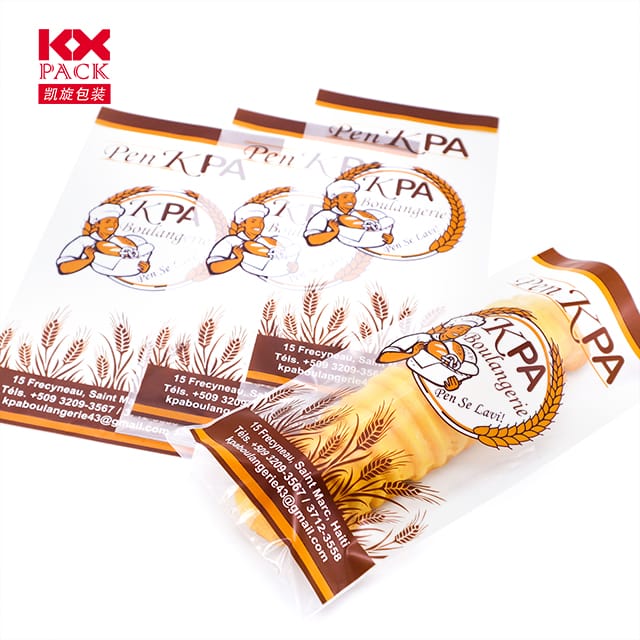
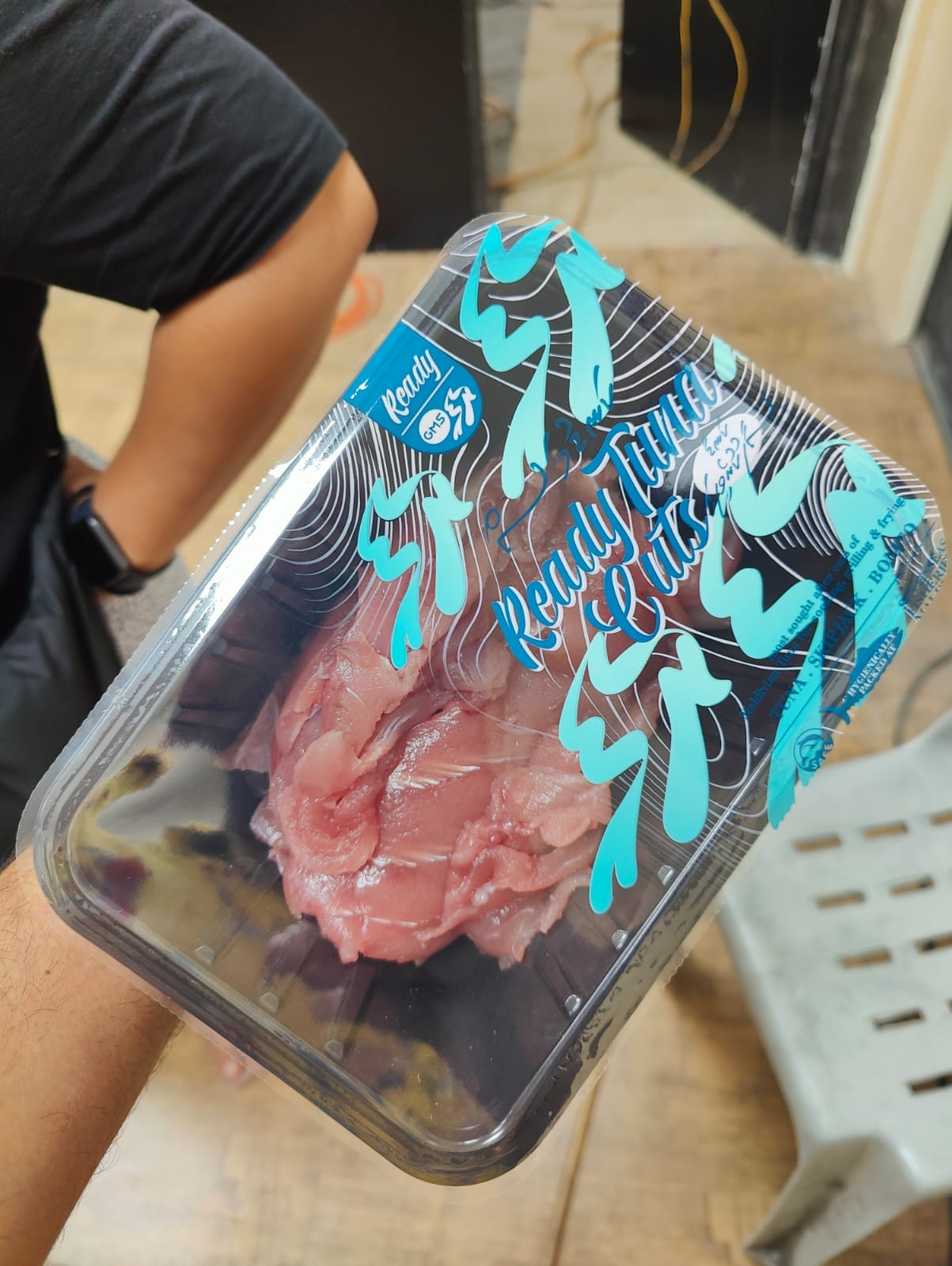
Flexible films packaging refers to lightweight, non-rigid materials used to encase products. Unlike traditional rigid containers, these films—often composed of polymers like polyethylene (PE), polipropilen (PP), or multi-layer composites—conform to the shape of their contents, minimizing waste and optimizing space.
Key characteristics include:
- Lagan & Izdržljiv: Reduces shipping costs and carbon footprints.
- Barrier Properties: Protects against moisture, kisik, i svjetlo, produženje roka trajanja.
- Prilagodljivost: Printable, sealable, and adaptable to diverse formats (vrećice, torbe, oblozi).
Rast tržišta & Key Drivers
The global flexible packaging market was valued atUSD 210.62 milijardi u 2023 and is projected to reachUSD 238.91 milijardi do 2029, raste na CAGR -u od2.12%. Ključni vozači uključuju:
- Shift from Rigid to Flexible Solutions: Brands prioritize cost-efficiency and sustainability, favoring flexible films over heavier, less eco-friendly alternatives.
- Procvat e-trgovine: Online retail demands lightweight, damage-resistant packaging for safe deliveries.
- zdravstvo & Food Demand: Pharmaceuticals and perishable goods require sterile, airtight packaging, fueling innovation in high-barrier films.
Innovations in Material Science
Recent advancements in flexible film technology focus onsustainability and performance:
- Mono-Material Structures: Tvrtke poput Huhtamaki are pioneering single-polymer films (Npr., PE or PP) to simplify recycling.
- Biorazgradivi filmovi: Made from renewable resources (Npr., PLA), these reduce plastic waste.
- Premazi visoke barijere: Advanced polymers like poliviniliden klorid (PVDC) or ethylene vinyl alcohol (EVOH) enhance shelf life without compromising recyclability.
Regional Dynamics
Asia-Pacific dominates the market, accounting for58% of global volume in 2023, vođen od strane:
- Rapid Urbanization: Rising middle-class populations in China and India boost demand for packaged goods.
- E-commerce Expansion: Online shopping platforms like Alibaba and Flipkart rely on flexible films for efficient logistics.
- Regulatorni pritisak: Governments mandate eco-friendly packaging, accelerating adoption of recyclable/compostable films.
Izazovi & Buduća perspektiva
Despite growth, the sector faces hurdles:
- Recycling Complexity: Multi-layer films are hard to separate, complicating circular economy efforts.
- Isparljivost sirovina: Fluctuating polymer prices impact margins.
Međutim, the future looks promising:
- Pametno pakiranje: Films embedded with sensors for freshness tracking or anti-counterfeiting.
- Circular Design: Modular, reusable packaging systems that minimize waste.
- Collaborative Innovation: Partnerships between material scientists, brands, and recyclers to close the loop.
Zaključak
Flexible films packaging is more than a convenience—it’s a strategic imperative for a sustainable future. As brands and consumers demand smarter, greener solutions, this sector will continue to evolve, blending cutting-edge science with practical design. The road ahead? A balance of innovation, responsibility, and adaptability to meet the needs of a changing world.
Stay tuned for more insights on packaging trends—where science meets sustainability! 🌍📦✨
Izvori: QYResearch, Tržišta i Tržišta, GlobeNewswire, Packaging World