खाद्य सुरक्षा के लिए सतत समाधान: फूड पैकेजिंग के लिए प्लास्टिक फिल्म रोल पर पुनर्विचार
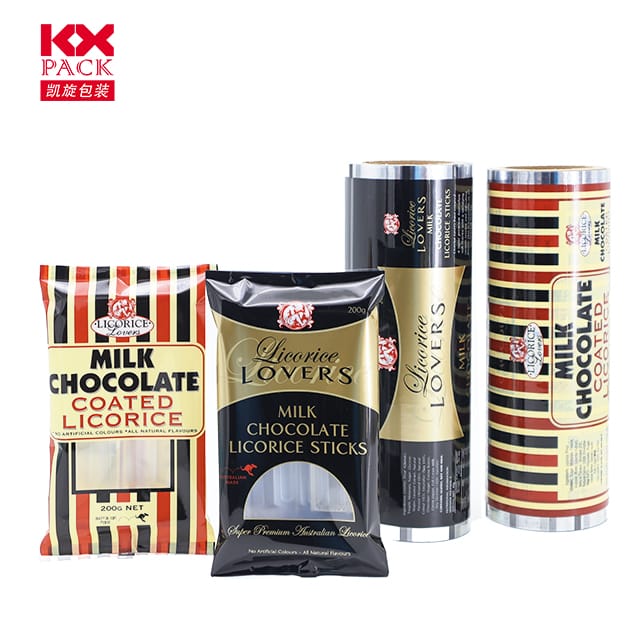
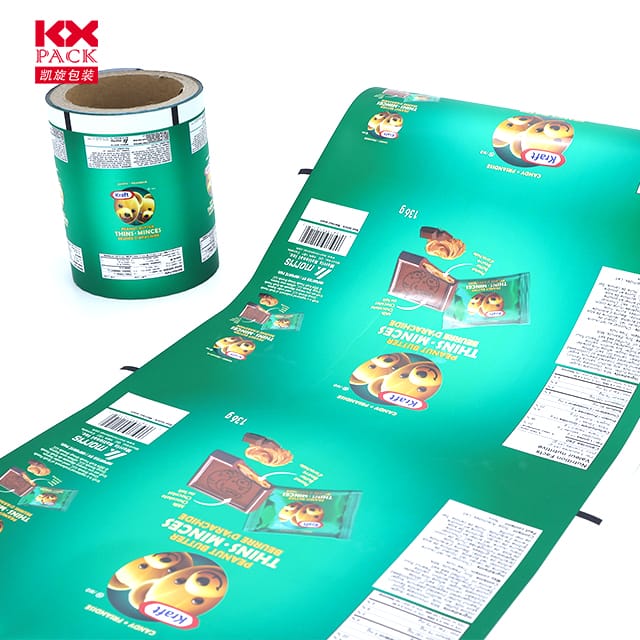
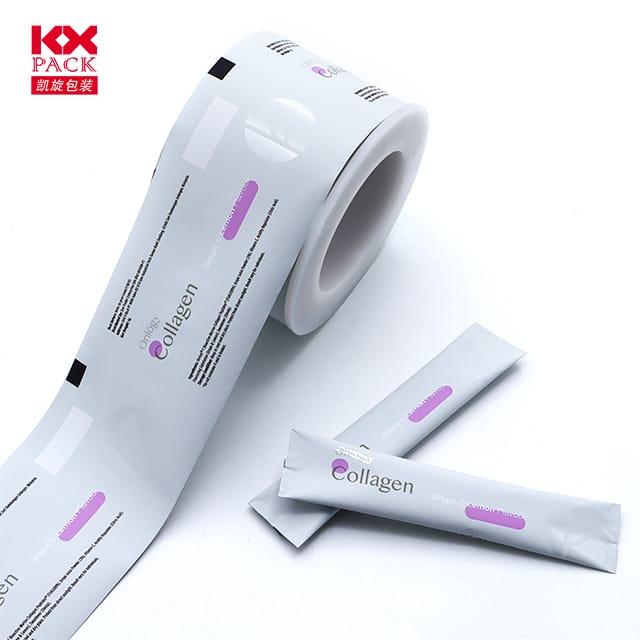
प्लास्टिक फिल्म रोल
Plastic film rolls are a staple in food packaging—protecting everything from fresh produce to baked goods, ताजगी सुनिश्चित करना, और शेल्फ जीवन का विस्तार. अभी तक, उनकी सुविधा एक लागत पर आती है: एकल-उपयोग वाली प्लास्टिक फिल्में वैश्विक प्रदूषण में महत्वपूर्ण योगदान देती हैं, अरबों टन के लैंडफिल को अवरुद्ध करने के साथ, महासागरीय, और पारिस्थितिक तंत्र. But what if we could reimagine this essential tool to balance functionality with environmental responsibility? Let’s explore how innovations in plastic film rolls for food packaging are paving the way for a greener future.
The Environmental Dilemma of Traditional Plastic Films
Most conventional plastic films are made from POLYETHYLENE (पी.ई), polypropylene (पीपी), or PVC—materials that take centuries to decompose. यहां तक कि जब पुनर्नवीनीकरण किया जाता है, these films often face contamination issues or lack proper collection infrastructure. परिणाम? Food packaging waste accounts for nearly 40% of global plastic production, much of it ending up as microplastics that infiltrate soil, पानी, and even our food chain.(प्लास्टिक फिल्म रोल)
The Shift Toward Sustainable Alternatives
Fortunately, the food packaging industry is evolving. Here’s how manufacturers are rethinking plastic film rolls:
- बायोडिग्रेडेबल और कम्पोस्टेबल फिल्में
- से बना पौधे आधारित सामग्री like corn starch, गन्ना, या शैवाल, these films break down naturally in composting facilities within months.
- Ideal for short-shelf-life products (उदा।, सलाद, सैंडविच) where traditional plastic isn’t essential.
- पुनर्नवीनीकरण सामग्री फिल्में
- Using उपभोक्ता के बाद पुनर्चक्रित (पीसीआर) प्लास्टिक reduces reliance on virgin materials and diverts waste from landfills.
- Advances in recycling technology now allow for stronger, clearer films suitable for a wider range of food products.
- खाद्य और पानी में घुलनशील फिल्में
- Cutting-edge options include edible coatings (समुद्री शैवाल या स्टार्च से बनाया गया) that protect food and can be consumed or discarded harmlessly.
- Water-soluble films dissolve in water, अपशिष्ट को पूरी तरह समाप्त करना.
- Reusable and High-Barrier Films
- टिकाऊ, multi-layer films designed for पुन: प्रयोज्य कंटेनर (उदा।, silicone lids or beeswax wraps) reduce single-use waste.
- हाई-बैरियर फिल्में (with oxygen or moisture control) शेल्फ जीवन बढ़ाएँ, reducing food waste—a critical sustainability goal.
कार्यक्षमता और स्थिरता को संतुलित करना
While eco-friendly alternatives are promising, चुनौतियां बनी हुई हैं:
- लागत: Sustainable films often cost more to produce, though prices are dropping as technology scales.
- प्रदर्शन: Some biodegradable films lack the strength or barrier properties of traditional plastic, limiting their use for certain foods.
- आधारभूत संरचना: कंपोस्टेबल फिल्मों के लिए औद्योगिक कंपोस्टिंग सुविधाओं की आवश्यकता होती है, जो कई क्षेत्रों में दुर्लभ हैं.
तथापि, brands and consumers are driving change by:
- आर में निवेश&डी to improve film durability and affordability.
- Advocating for policy changes (उदा।, विस्तारित निर्माता उत्तरदायित्व कानून).
- Choosing minimal, recyclable packaging जहां संभव हो.
How Consumers Can Make a Difference
You don’t need to wait for perfect solutions to act:
- Support Brands Using Sustainable Films: जैसे प्रमाणपत्र देखें TÜV Austria’s OK Compost या बी.पी.आई (बायोडिग्रेडेबल उत्पाद संस्थान).
- Reduce and Reuse: थोक खरीद का विकल्प, पुन: प्रयोज्य कंटेनर, or beeswax wraps to minimize film reliance.
- ठीक से रीसायकल करें: Clean and recycle PE/PP films where accepted (check local guidelines).
- Demand Transparency: Pressure companies to disclose film materials and end-of-life options.
खाद्य पैकेजिंग का भविष्य: A Holistic Approach
Sustainable plastic film rolls are just one piece of the puzzle. The ultimate goal? एपरिपत्र अर्थव्यवस्था where packaging is designed for reuse, पुनर्चक्रण, or composting. इस आवश्यकता है:
- सहयोग between governments, manufacturers, और उपभोक्ता.
- नवाचार in materials science (उदा।, mycelium-based films or lab-grown alternatives).
- शिक्षा to dispel myths about plastic’s necessity in food safety.
Your Role in the Transition
Every time you unwrap a snack or store leftovers, you have a choice. By supporting sustainable packaging, advocating for change, और कचरे को कम करना, you’re helping redefine the role of plastic film rolls in our lives.
Ready to rethink your food packaging habits? Share your favorite eco-friendly swaps or questions in the comments—let’s build a zero-waste kitchen together! 🌱🍴
हैशटैग: #SustainablePackaging #PlasticFreeFuture #FoodWaste #GreenInnovation #CircularEconomy