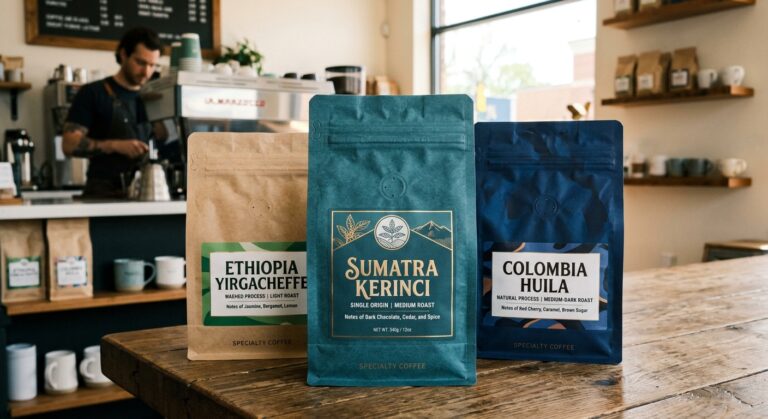
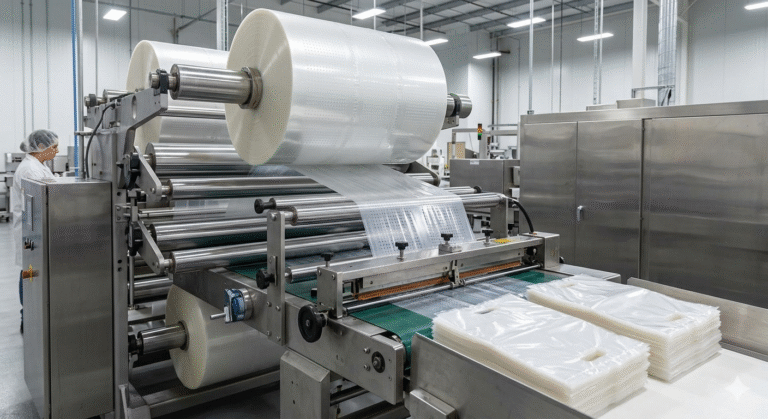
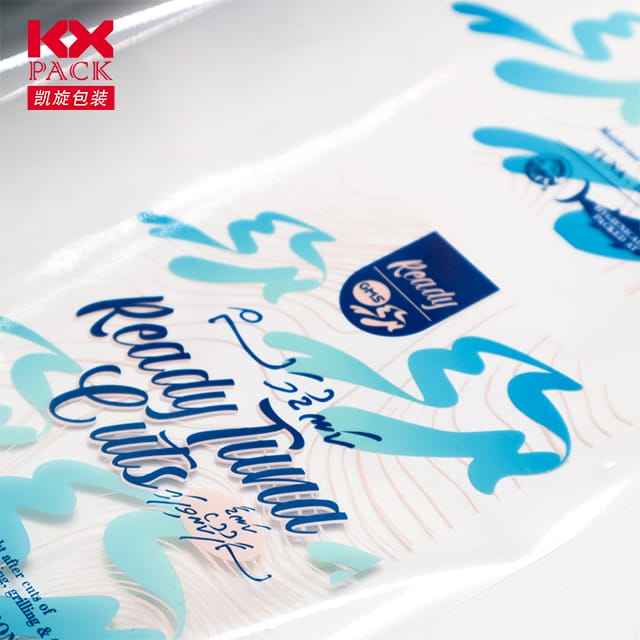
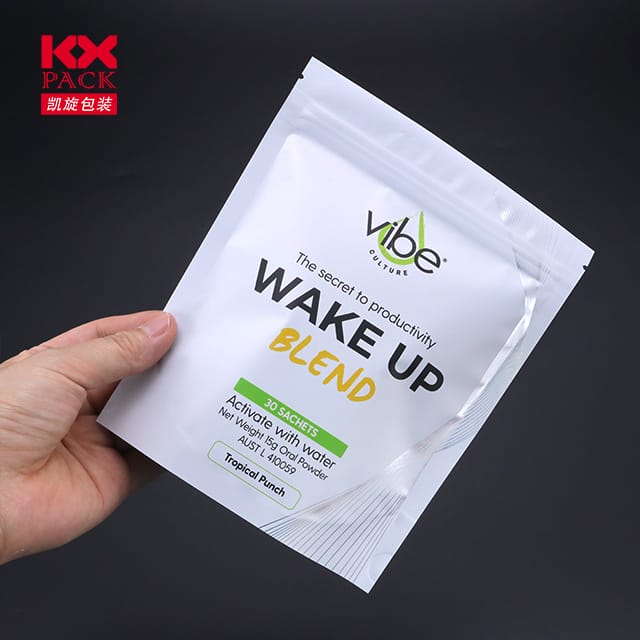
खाद्य फिल्म पैकेजिंग & पालतू भोजन पैकेजिंग बैग: ताजगी के लिए अंतिम गाइड, वहनीयता, और ब्रांड प्रभाव
खाना जल्दी खराब हो जाता है, और प्रीमियम पेट किबल और भी तेजी से पुराना हो जाता है. चाहे आप राज्य भर में ताजा जामुन भेज रहे हों या देश भर में वितरण के लिए तैयार किबल, आपकी पसंद खाद्य फिल्म पैकेजिंग और पालतू भोजन पैकेजिंग बैग directly dictates whether your product arrives crisp and appetizing or stale and unsellable.
Packaging is no longer just a plastic pouch meant to hold weight. It has morphed into a high-stakes engineering dynamic balancing oxygen barriers, पंचर प्रतिरोधी, shelf presence, and aggressive sustainability mandates. Consumers today scrutinize labels—and they judge what is inside the bag by how the bag looks, feels, and opens.
Below, we break down how modern barrier film technology works, why pet food packaging requires unique structural integrity, and how food manufacturers can choose materials that keep goods fresh while keeping environmental impact low.

Why Food Film Packaging Leads the Fresh Food Industry
If you walk down any supermarket aisle, लचीला खाद्य फिल्म पैकेजिंग covers nearly 70% of the perimeter products—from fresh meat trays and block cheese to bakery items and frozen vegetables.
Why has flexible film taken over rigid plastic tubs and glass jars? It comes down to four critical performance drivers:
1. Tailored Oxygen and Moisture Control
Not all foods need the same protection. Fresh produce needs to “breathe” through micro-perforated breathable films, whereas processed meats and coffee demand zero-oxygen environments. High-barrier films use precise material combinations:
- इवोह (एथिलीन विनाइल अल्कोहल): Delivers superior oxygen protection to prevent oxidation, मलिनकिरण, and off-flavors.
- पालतू (पॉलीथीन टैरीपिथालेट): Provides structural strength, स्पष्टता, और गर्मी प्रतिरोध.
- पी.ई (polyethylene): Functions as the internal seal layer, ensuring airtight seals at high production speeds.
2. Radical Reduction in Freight Carbon Footprint
Rigid glass jars or metal cans take up enormous space on trucks even when empty. Rollstock food film is shipped compact on spools. One truckload of flat film rollstock can replace up to 10 प्रति 15 truckloads of pre-formed rigid containers, drastically shrinking logistics costs and Scope 3 supply chain emissions.
3. Visual Clarity that Drives Impulse Buys
Modern high-clarity poly-films allow clear “विंडोज़” on pouches. Seeing actual food texture and natural color builds instant consumer trust at the point of sale.
पालतू भोजन पैकेजिंग बैग: Engineering for High Fat, Heavy Loads, and Odor Sealing
While general human food packaging focuses on portion control and immediate freshness, पालतू भोजन पैकेजिंग बैग face a completely different set of physical demands.
Today’s pet parents treat dogs and cats like family members. They purchase high-protein, grain-free kibble rich in fish oils, animal fats, and natural probiotics. This creates three unique packaging challenges:
Preventing Oil Migration and Fat Bleed
High-fat kibble can degrade low-grade plastics over time. If fat migrates through the inner liner, it creates greasy exterior patches, weakens print graphics, and turns rancid when exposed to ambient air. Specialized co-extruded barrier layers prevent oil migration while locking in healthy omega fatty acids.
Puncture Resistance and Burst Protection
A 30-pound bag of dog food undergoes brutal drop impacts during palletizing, rail transport, and home delivery via e-commerce routes. अधिमूल्य पालतू भोजन पैकेजिंग बैग utilize multi-ply laminated structures (such as PET/AL/PE or Nylon-reinforced layers) to withstand heavy stacking pressure and sharp kibble edges without pinholing.
Odor Control and Resealability
Kibble has a distinct, strong aroma that pet owners do not want leaking into their kitchen pantries. Incorporating high-integrity zip closures—like press-to-close zippers or hook-and-loop velcro tracks—ensures the bag seals tightly after every feeding, keeping aromas inside and destructive humidity outside.
Popular Bag Formats: Choosing the Right Structure
Selecting the right physical format depends on your product’s weight, target shelf placement, और ब्रांड पहचान.
| Packaging Bag Style | के लिए सर्वोत्तम उपयोग | प्रमुख विशेषताऐं & लाभ |
| Flat-Bottom Pouches (Box Pouches) | Premium pet food (5lb–20lb), organic grains, specialty coffee | Five distinct printable panels; पूरी तरह सीधा खड़ा है; maximum shelf visibility and premium shelf presence. |
| Quad-Seal Bags | Heavy-duty pet food kibble (15lb–40lb) | Reinforced side gussets offer structural rigidity for heavy loads; prevents bag sagging when stacked. |
| स्टैंड-अप पाउच (ड्वॉय पैक) | Treats, single-serve pet food, नाश्ता, dry fruits | प्रभावी लागत, bottom gusset expands when filled, widely compatible with automatic fill-and-seal machinery. |
| Pillow Pouches | Bulk snacks, जमा हुआ भोजन, single-use refills | परंपरागत, highly economical two-panel format built for rapid form-fill-seal (फंसी) production lines. |
The Monomaterial Shift: The Future of Eco-Friendly Packaging
Historically, high-barrier packaging relied on multi-material laminates—combining foil, कागज़, and plastic layers fused together. While excellent for shelf life, these multi-layer constructions were virtually impossible to recycle, sending millions of tons directly to landfills.
The industry is rapidly pivoting toward fully recyclable mono-material films.
The Mono-Material Solution: By combining different density grades of a single polymer family (जैसे कि 100% polyethylene / PE-ready structures), manufacturers match the oxygen barrier performance of traditional multi-layer bags while remaining 100% recyclable in existing curbside or store-drop-off recycling streams.
Using post-consumer recycled (पीसीआर) resins inside non-contact film layers is another fast-growing strategy, allowing brands to reduce virgin plastic usage without sacrificing pack strength or food safety compliance.
3 Critical Factors When Sourcing Your Packaging Supply
If you are upgrading your current lineup or launching a new product line, evaluate potential packaging partners against these three core parameters:
- Machinability & मुहर अखंडता: Ensure the film formulation matches your vertical form-fill-seal (वीएफएफएस) or pre-made pouch filling equipment. A film that drags or wrinkles on your filling line causes heat-seal defects and costly downtime.
- Barrier Verification (ओटीआर & एमवीटीआर): Always ask suppliers for certified Oxygen Transmission Rate and Moisture Vapor Transmission Rate test lab data tailored to your specific product’s shelf-life target.
- सतह खत्म & शेल्फ़ अपील: High-gloss finishes highlight vibrant colors, while soft-touch matte films convey organic, luxury brand positioning. Combined tactile finishes (spot matte + spot gloss) can highlight logos and ingredient icons to catch shoppers’ eyes instantly.
Wrapping Up
Investing in high-performance खाद्य फिल्म पैकेजिंग and robust पालतू भोजन पैकेजिंग बैग is not just an operational expense—it is your first line of defense for product quality, ब्रांड प्रतिष्ठा, and customer satisfaction. By matching the right barrier resins and bag formats to your product’s chemical profile, you ensure every package arrives as fresh, fragrant, and appealing as the day it was sealed.