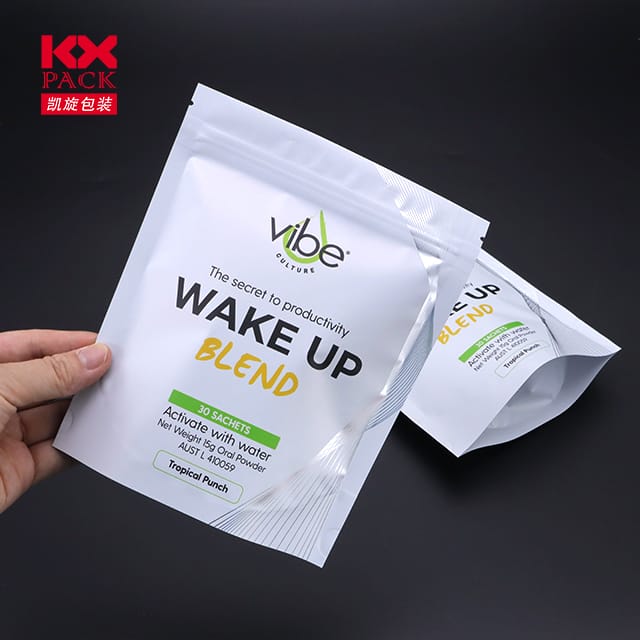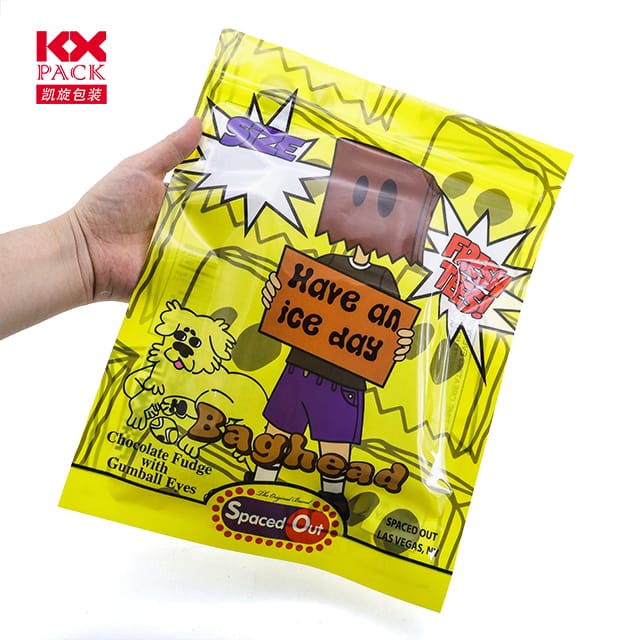
סרט אריזה מפלסטיק: חדשנות, קיימות, ועתיד האריזה
סרט אריזה מפלסטיק
בעידן שבו נוחות פוגשת תודעה סביבתית, plastic packing film has become a ubiquitous yet controversial component of modern life. מאריזת תוצרת טרייה ועד איטום אלקטרוניקה, החומר הרב-תכליתי הזה ממלא תפקיד קריטי בשימור האיכות, הרחבת חיי המדף, והפחתת בזבוז מזון. למרות זאת, its widespread use has also sparked debates about plastic pollution, recycling challenges, and the need for sustainable alternatives. Let’s explore the evolving landscape of plastic packing film, its innovations, and the path toward a greener future.
The Role of Plastic Packing Film in Modern Society
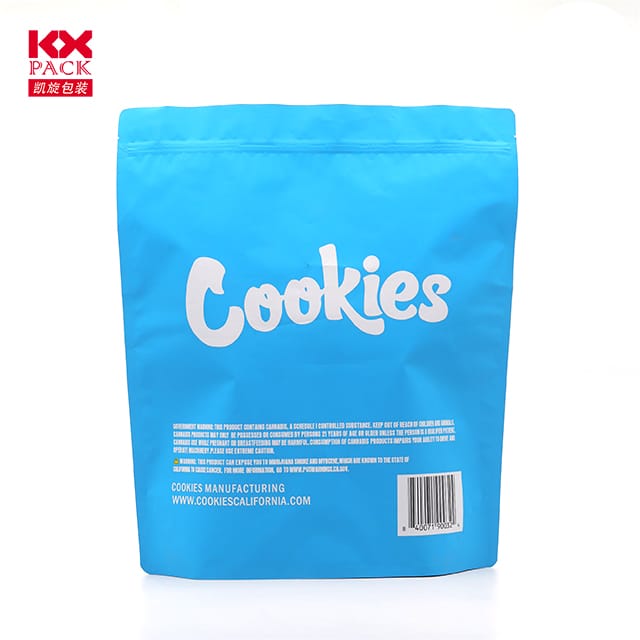
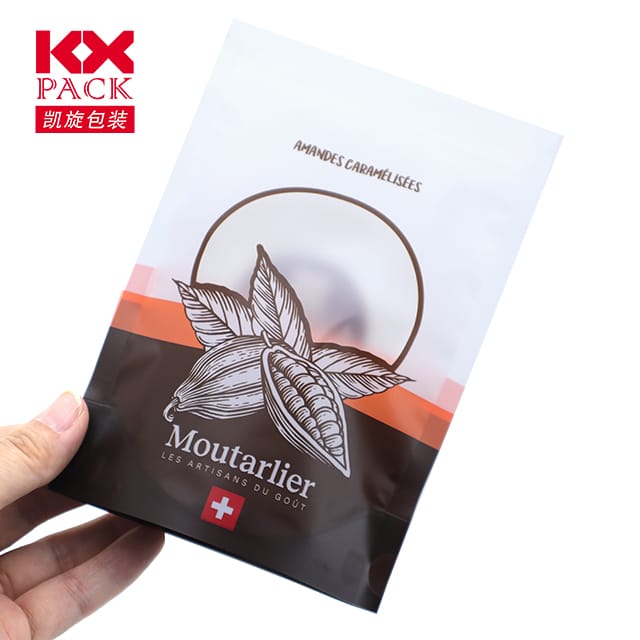
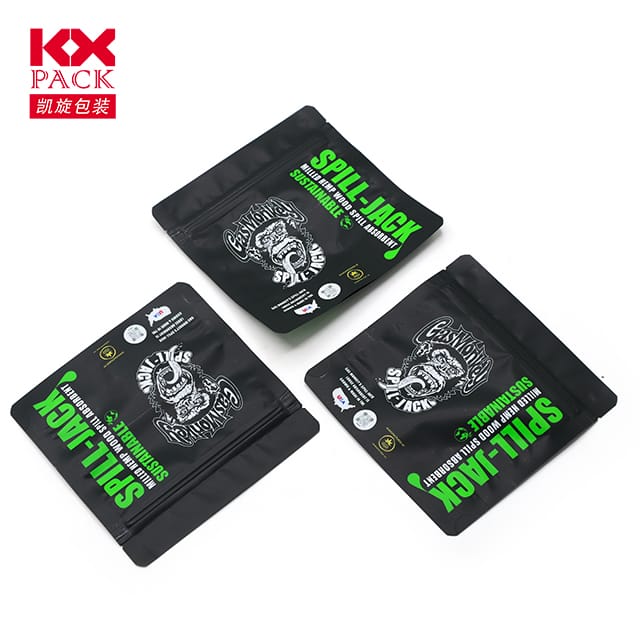
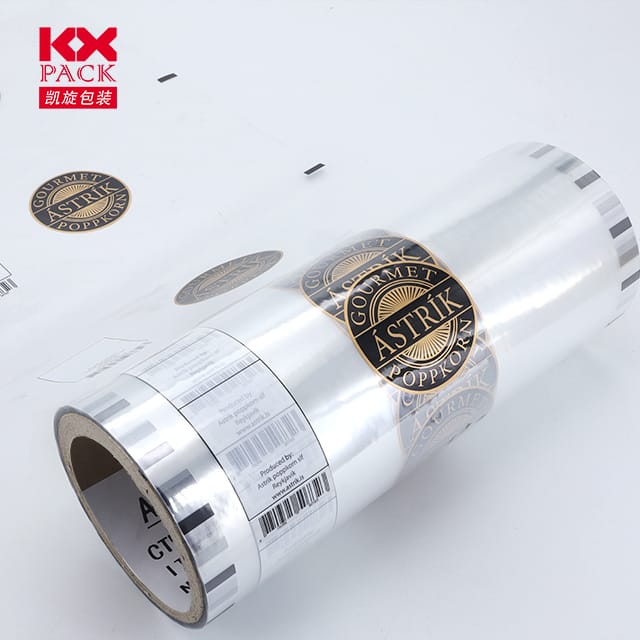
Plastic packing film—often made from polymers like polyethylene (פ), פוליפרופילן (עמ'), or polyvinyl chloride (PVC)—is prized for its flexibility, שְׁקִיפוּת, ומאפייני מחסום. It protects goods from moisture, חַמצָן, ומזהמים, להבטיח שהמוצרים יגיעו לצרכנים במצב טהור. Industries ranging from food and beverage to pharmaceuticals and logistics rely on it daily.
לדוגמה, אריזת אווירה שונה (מַפָּה) films extend the freshness of meats and vegetables by regulating gas exchange, while shrink wrap films secure pallets during transportation. Even e-commerce giants depend on durable plastic films to safeguard fragile items during shipping.
The Environmental Dilemma: נוחות לעומת. קיימות
למרות היתרונות שלו, traditional plastic packing film poses significant environmental risks. פלסטיק לשימוש חד פעמי מגיע לרוב למזבלות או באוקיינוסים, where they take centuries to decompose harming wildlife and ecosystems. מיקרו -פלסטיקה, resulting from the breakdown of these films, have infiltrated water supplies and even human food chains.
Consumers and governments are increasingly demanding action. Regulations like the EU’s Single-Use Plastics Directive and corporate sustainability goals (לְמָשָׁל., Amazon’s Frustration-Free Packaging) are pushing brands to rethink their packaging strategies.
חידושים המניעים שינוי
The packaging industry is responding with cutting-edge solutions to balance functionality with eco-friendliness:
- סרטים מתכלים וקומפוסטטיים
Materials derived from plant-based sources (לְמָשָׁל., polylactic acid or PLA) and biodegradable polymers (לְמָשָׁל., PBAT) צוברים אחיזה. מותגים כמו סוּג offer compostable films that break down within months under industrial composting conditions, mimicking the lifecycle of organic waste. - סרטי תוכן ממוחזר
ממוחזר לאחר הצרכן (PCR) plastics are being incorporated into packing films, הפחתת התלות בחומרים בתוליים. חברות אוהבות Dow ו ExxonMobil are investing in advanced recycling technologies to transform plastic waste into high-quality films. - אריזה אכילה
Pioneering startups are experimenting with edible films made from seaweed, starch, or proteins. מוצרים כמו Ooho! water pods and WikiCells fruit coatings aim to eliminate packaging waste entirely, though scalability remains a challenge. - אריזה חכמה ופעילה
Films embedded with sensors or oxygen scavengers can monitor food freshness in real time, reducing spoilage. לדוגמה, אינסיגניה טכנולוגיות develops time-temperature indicators that change color to signal product degradation.
The Challenge of Recycling Plastic Packing Film
While recycling is a key part of the solution, plastic films face unique hurdles. דַק, קל, and often contaminated with food residues or adhesives, they are difficult to process in standard recycling facilities. Many municipalities exclude them from curbside programs, מה שמוביל לשיעורי מיחזור נמוכים.
Industry initiatives like theWrap Recycling Action Program (WRAP) in the U.S. aim to improve collection systems for plastic films. Retailers such asTarget וWalmart now provide drop-off bins for clean plastic bags and wraps, diverting them from landfills.
Consumer Behavior and the Power of Choice
Shifting to sustainable packaging requires not just technological innovation but also changes in consumer habits. Shoppers can drive demand for eco-friendly options by:
- Choosing products with minimal or recyclable packaging.
- Reusing plastic films for storage or DIY projects.
- Supporting brands that prioritize circular economy models.
Education campaigns, כמוPlastic Free July, also raise awareness about the impact of plastic waste and encourage small, actionable steps.
The Future of Plastic Packing Film: A Circular Vision
The ideal future for plastic packing film lies in a closed-loop system where materials are reused, ממוחזר, or composted endlessly. Advances in chemical recycling—which breaks down plastics to their molecular components for remanufacturing—could make this vision a reality.
בינתיים, collaboration across industries, governments, and consumers is essential. יוזמות כמו הNew Plastics Economy Global Commitment unite over 500 organizations to eliminate problematic plastics and innovate toward 100% לשימוש חוזר, ניתן למחזור, או אריזה ניתנת לקומפוסטציה על ידי 2025.
סיכום
Plastic packing film is at a crossroads: a vital tool for preservation and protection, yet a symbol of our global plastic crisis. The path forward demands innovation, infrastructure investment, and collective responsibility. By embracing sustainable materials, improving recycling systems, and making conscious choices, we can ensure that plastic packing film serves its purpose without compromising the planet.
What steps are you taking to reduce plastic waste in your daily life? שתף את הטיפים שלך בתגובות למטה!