החרב הכפולה של סרט אריזות פלסטיק: נוחות לעומת. קיימות (2)
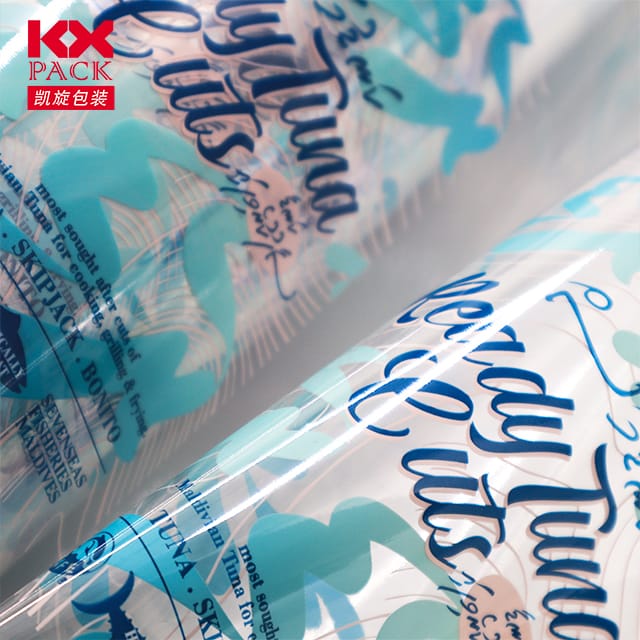
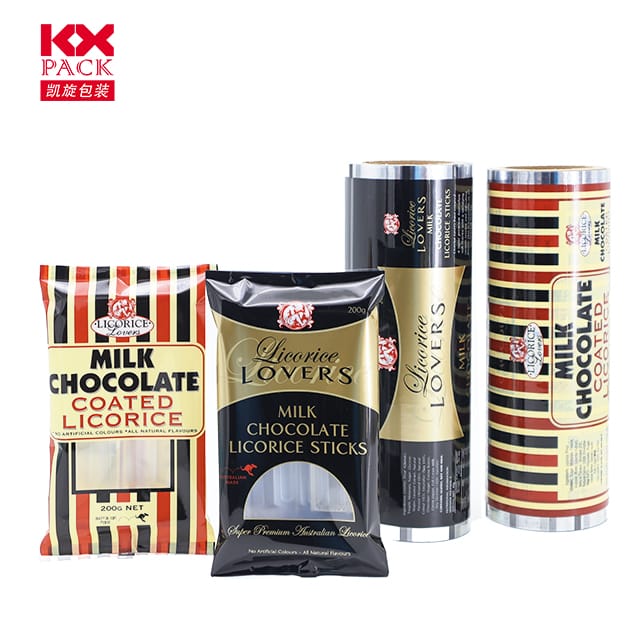
סרט אריזה מפלסטיק
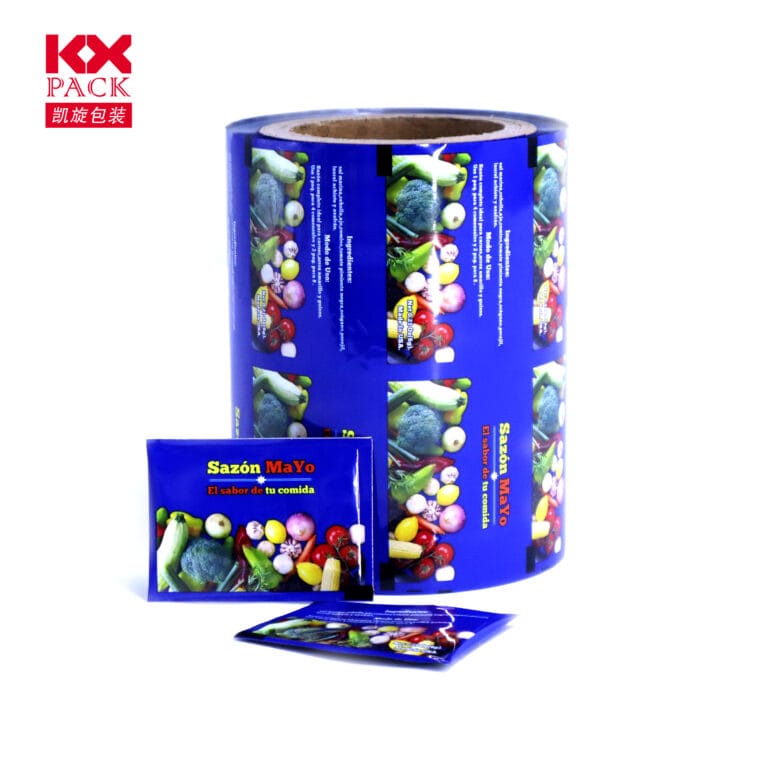
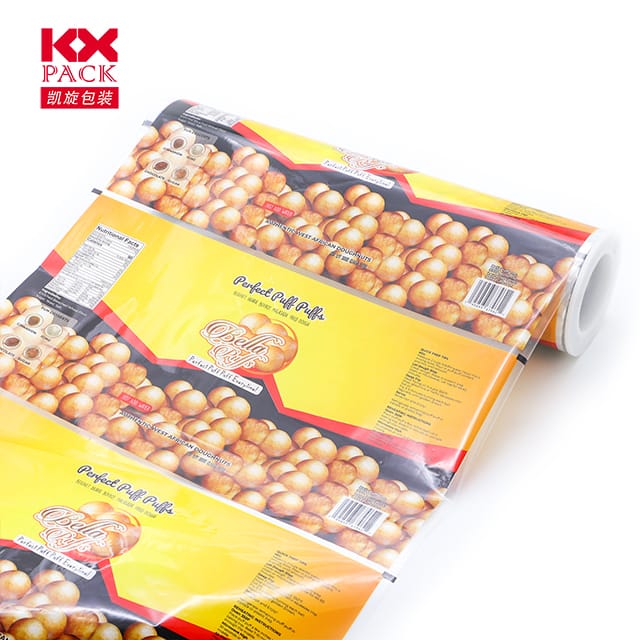
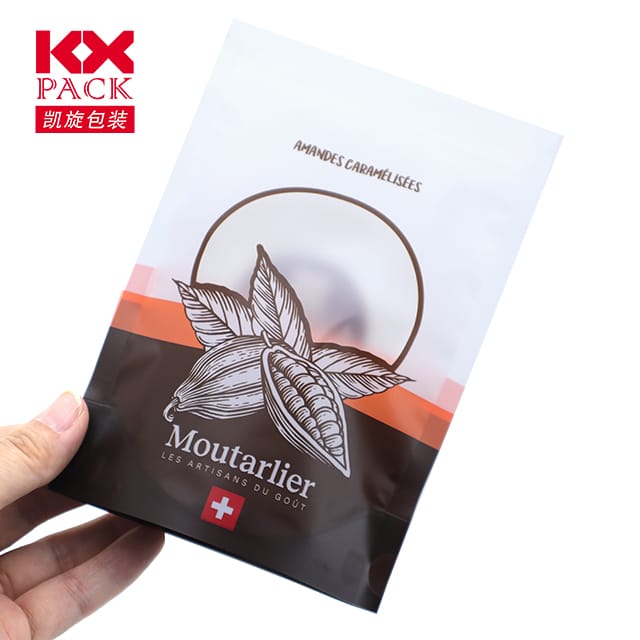
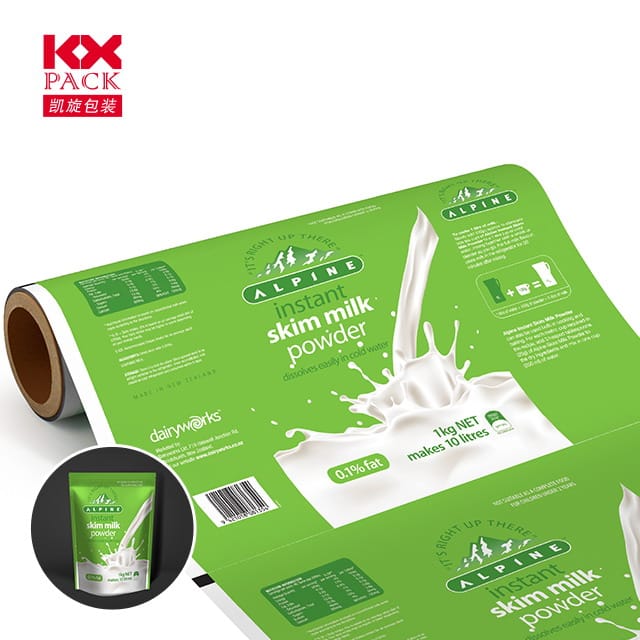
In our fast-paced, עולם מונע צרכנים, סרט אריזה מפלסטיק has become an ubiquitous yet often overlooked component of daily life. מאריזת תוצרת טרייה ועד איטום שאריות, הגנה על אלקטרוניקה במהלך המשלוח, או שמירה על טריות החטיפים, זה רזה, חומר גמיש מציע נוחות ללא תחרות. אבל ככל שהדאגות הסביבתיות גוברות, השימוש הנרחב בו מעלה שאלות קריטיות: Is plastic packaging film a necessary evil, or can we find sustainable alternatives without sacrificing functionality? Let’s explore the pros, cons, ופתרונות פוטנציאליים.
1. The Upside: Why Plastic Packaging Film Dominates
Plastic film’s popularity isn’t accidental. Its advantages are hard to ignore:
- Preservation Power: By creating an airtight barrier, it extends the shelf life of food, reduces waste, and maintains product quality.
- Lightweight and Cost-Effective: Compared to glass or metal, plastic film is cheaper to produce, תַחְבּוּרָה, וחנות, making it a favorite for businesses and consumers alike.
- צדדיות: It can be molded, מודפס, or combined with other materials (like aluminum) to suit diverse needs, from vacuum-sealed coffee bags to shrink-wrapped toys.
- Hygiene and Safety: In medical and food industries, sterile plastic films protect against contamination, ensuring public health.
2. The Downside: The Environmental Toll of Plastic Film
למרות היתרונות שלו, plastic packaging film’s environmental impact is staggering:
- לא מתכלה: Most plastic films are made from polyethylene (פ) או פוליפרופילן (עמ'), which take centuries to decompose. A single plastic wrapper could outlive generations.
- זיהום מיקרו -פלסטי: When broken down, plastic films fragment into tiny particles that infiltrate soil, נתיבי מים, and even the human body, posing health risks.
- אתגרי מיחזור: רַק 9% of all plastic waste is recycled globally, and plastic films are particularly tricky. Their thin, lightweight nature often clogs recycling machinery, leading many facilities to reject them.
- טביעת רגל פחמן: The production and incineration of plastic films release greenhouse gases, contributing to climate change.
3. חידושים וחלופות: Paving the Way for Sustainability
The tide is turning, however. מותגים, scientists, and consumers are pushing for eco-friendly solutions:
- סרטים מתכלים: Made from plant-based materials like cornstarch or cellulose, these films break down naturally in composting conditions. Companies like TIPA® and BioPak are leading the charge.
- אריזה אכילה: Imagine eating your snack’s wrapper! חידושים כמו סרטים מבוססי אצות (used by brands like Notpla) offer a zero-waste solution.
- מערכות לשימוש חוזר: Some businesses are ditching single-use films entirely in favor of refillable containers or reusable silicone wraps (לְמָשָׁל., העטיפה של דבורה).
- תשתית מיחזור משופרת: Advanced sorting technologies and chemical recycling methods are making it easier to recover and repurpose plastic films.
4. What Can You Do as a Consumer?
Change starts at the individual level. Here’s how to reduce your plastic film footprint:
- Opt for Bulk Purchases: Buy in bulk using your own containers to minimize packaged goods.
- Choose Brands with Sustainable Packaging: Look for certifications like “compostable” or “recyclable” on products.
- Reuse and Repurpose: Wash and reuse plastic wraps for covering leftovers or organizing small items.
- Advocate for Change: Support policies and companies that prioritize eco-friendly packaging.
מחשבות סופיות
Plastic packaging film is a testament to human ingenuity—a material designed to solve problems that now threatens the planet. While eliminating it entirely may not be feasible, transitioning to sustainable alternatives and adopting mindful consumption habits can mitigate its harm.
The future of packaging lies in balance: harnessing innovation to preserve convenience without compromising the health of our Earth. כצרכנים, we hold the power to drive this change. כָּך, the next time you unwrap a product, שאל את עצמך: Is there a better way?
What’s your stance on plastic packaging film? שתף את המחשבות שלך או פריצות ידידותיות לסביבה בתגובות למטה! 🌍♻️