העתיד של סרטי אריזה: חידושים, קיימות, ומעבר ל- (2)
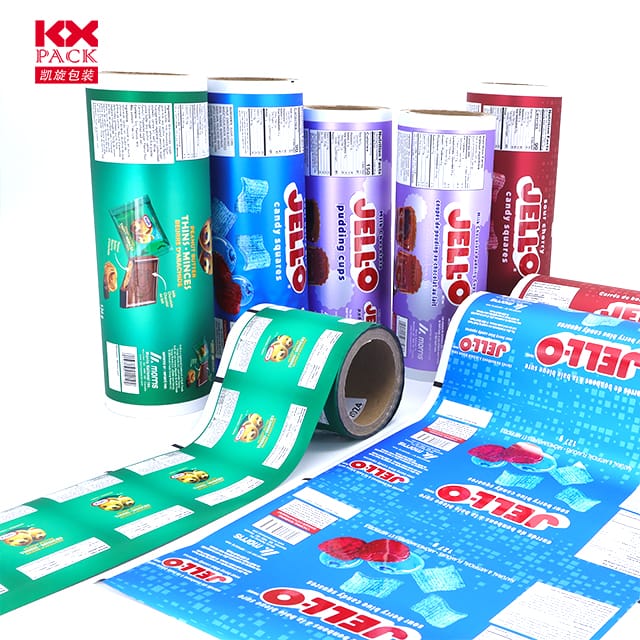
סרטי אריזה
מָבוֹא
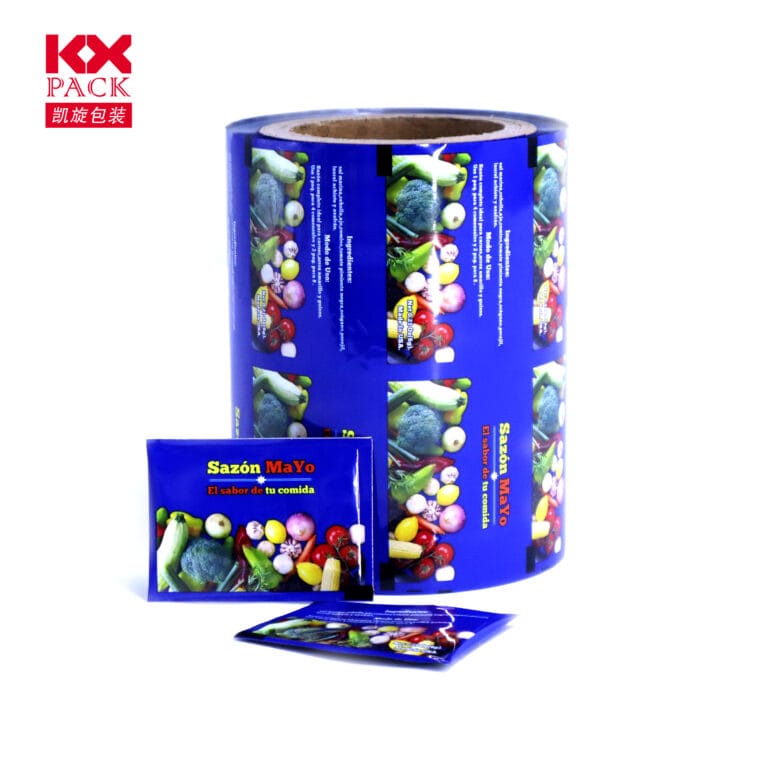
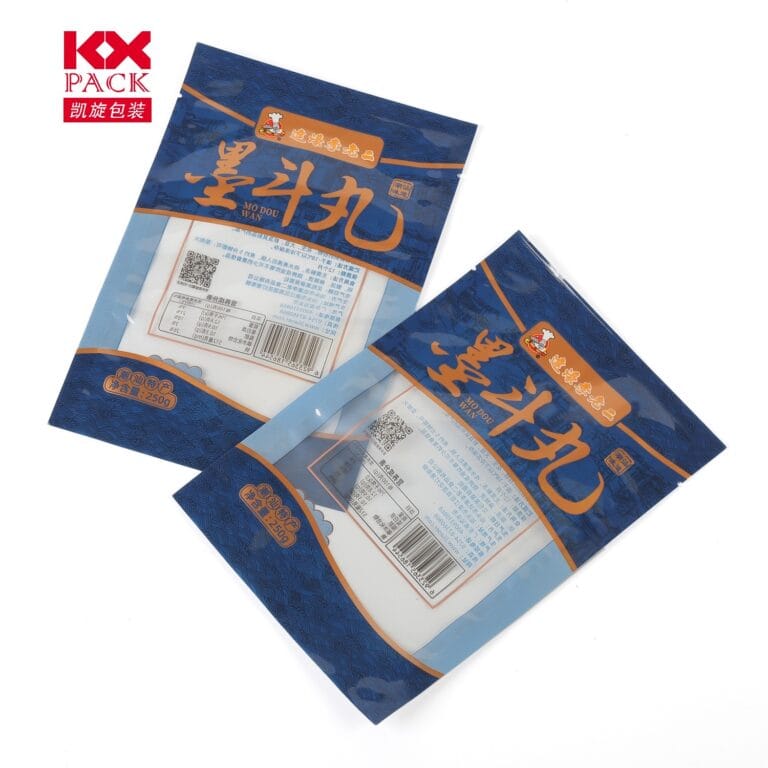
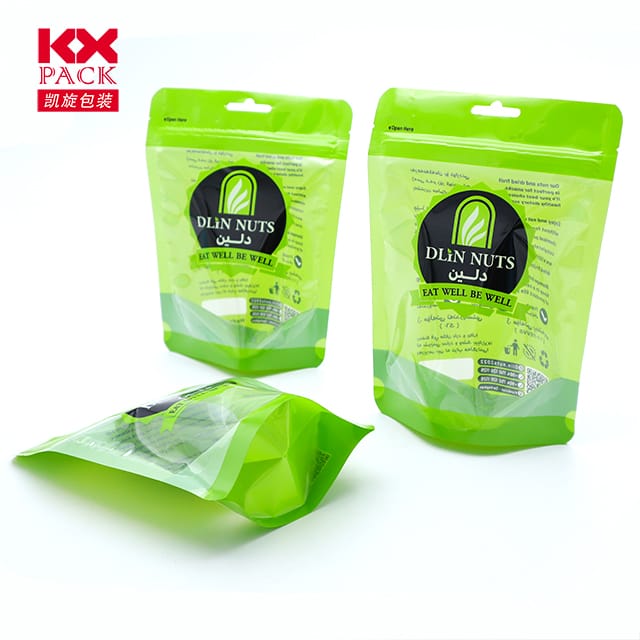
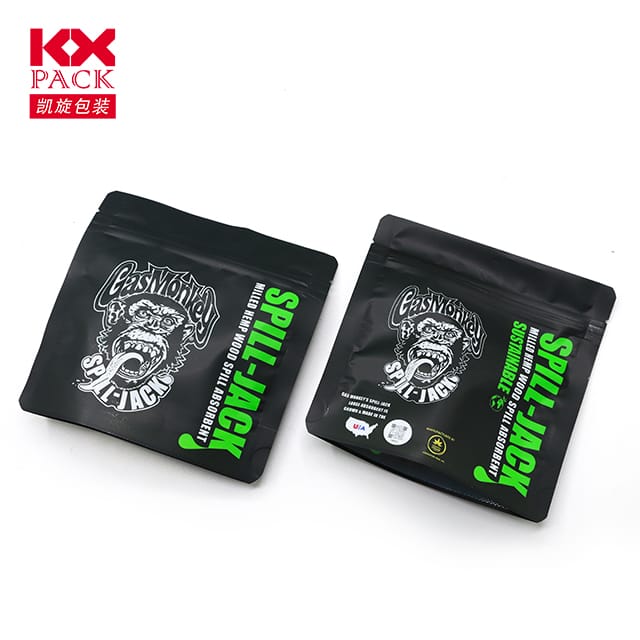
In a world where sustainability and functionality are king, סרטי אריזה ממלאים תפקיד קריטי בהגנה על מוצרים, שיפור ערעור המדף, והפחתת ההשפעה הסביבתית. משימור מזון לבטיחות תרופות, אלה דקים, חומרים גמישים מיועדים כדי לענות על צרכים מגוונים. אך עם חששות הולכים וגוברים מפני פסולת פלסטיק ודרישות הצרכנים המתפתחות, the future of packaging films is poised for a revolution. בואו לחקור את הטרנדים האחרונים, חידושים, and challenges shaping this dynamic industry.
1. Types of Packaging Films: A Primer
Packaging films come in various forms, כל אחד מותאם ליישומים ספציפיים:
- Plastic Films: Traditional polyethylene (פ), פוליפרופילן (עמ'), and PVC dominate due to their durability and cost-effectiveness.
- סרטים מתכלים: מיוצר מפולימרים מבוססי צמחים (לְמָשָׁל., PLA, PHA) or compostable materials, these reduce landfill burden.
- סרטי מחסום: Designed to block moisture, חַמצָן, or UV light, ideal for perishables or sensitive electronics.
- כיווץ סרטים: Heat-activated to conform tightly around products for tamper evidence and product stability.
- סרטי ייעוד: Include anti-fog, antimicrobial, or conductive coatings for niche applications.
2. Key Industries Driving Demand
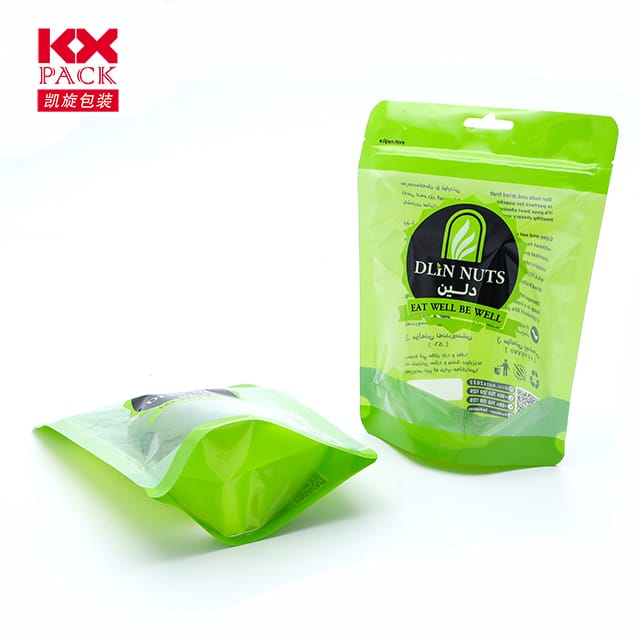
- מזון & מַשׁקֶה: Extends shelf life, ensures hygiene, and enables portion control. Think snack packs, fresh produce wraps, and beverage pouches.
- שירותי בריאות: Sterile packaging for medical devices, תרופות, and IV bags.
- מסחר אלקטרוני: Durable films protect goods during shipping and enhance unboxing experiences.
- אֶלֶקטרוֹנִיקָה: Static-resistant films safeguard sensitive components.
3. קיימות: The New Frontier
The global push for eco-friendly solutions is reshaping the packaging film landscape:
- ביו פלסטיק & Compostables: Brands like Danone and Nestlé are adopting PLA-based films for dairy and water bottles.
- מודלים של כלכלה מעגלית: Recyclable films made from post-consumer waste (PCR) reduce virgin plastic use.
- מיחזור כימי: Emerging technologies break down mixed plastics into raw materials for new films.
- Regulatory Pressure: EU’s Single-Use Plastics Directive and similar policies worldwide are phasing out non-recyclable films.
4. Innovation Highlights
- אריזה חכמה: Films embedded with sensors or QR codes track freshness, טֶמפֶּרָטוּרָה, or authenticity.
- אריזה פעילה: Releases preservatives (לְמָשָׁל., antioxidants) to extend food shelf life.
- ננוטכנולוגיה: Enhances barrier properties with nano-clays or silver nanoparticles for antimicrobial effects.
- 3D Printing: ניתן להתאמה אישית, on-demand packaging reduces material waste.
5. Challenges and Opportunities
- עלות לעומת. קיימות: Biodegradable films are pricier than conventional plastics. Scaling production could drive down costs.
- Infrastructure Gaps: Recycling facilities for advanced films (לְמָשָׁל., multilayer barriers) are limited.
- חינוך צרכני: Clarifying labels (לְמָשָׁל., “home compostable” vs. “industrially compostable”) prevents greenwashing.
סיכום
Packaging films are no longer just about protection—they’re about innovation, responsibility, וחוסן. As industries balance performance with planet-friendly practices, we’re likely to see more hybrid materials, closed-loop systems, and tech-driven solutions. לעסקים, investing in sustainable packaging isn’t just ethical—it’s a strategic move to meet evolving regulations and consumer preferences.
FAQs
- Are biodegradable films truly eco-friendly? כן, but only if disposed of in industrial composting facilities.
- Can recycled films match the performance of virgin plastics? Advances in PCR technology are narrowing the gap.
- What’s the next big thing in packaging films? Look out for edible films (לְמָשָׁל., עטיפות מבוססות אצות) and self-healing materials.
The future of packaging films is bright, גָמִישׁ, and increasingly green. What innovations would you like to see in this space? שתף את המחשבות שלך למטה! 🌱📦