2026 מגמות אריזות מזון: Minimalist, Healthy & Premium
In the fast-paced world of food industry, packaging is no longer just a protective layer for products—it has evolved into a powerful medium of brand communication, a reflection of consumer values, and a driver of market competitiveness. As we step into 2026, the global food packaging landscape is undergoing a profound transformation, shaped by growing environmental awareness, rising health consciousness, and changing consumer expectations for quality and experience. 2026 מגמות אריזות מזון are defined by three core pillars: minimalism, health, and premiumization, each addressing a distinct yet interconnected need of modern consumers and brands. This article explores these key trends, their underlying drivers, יישומים מהעולם האמיתי, and how they are reshaping the future of food packaging.
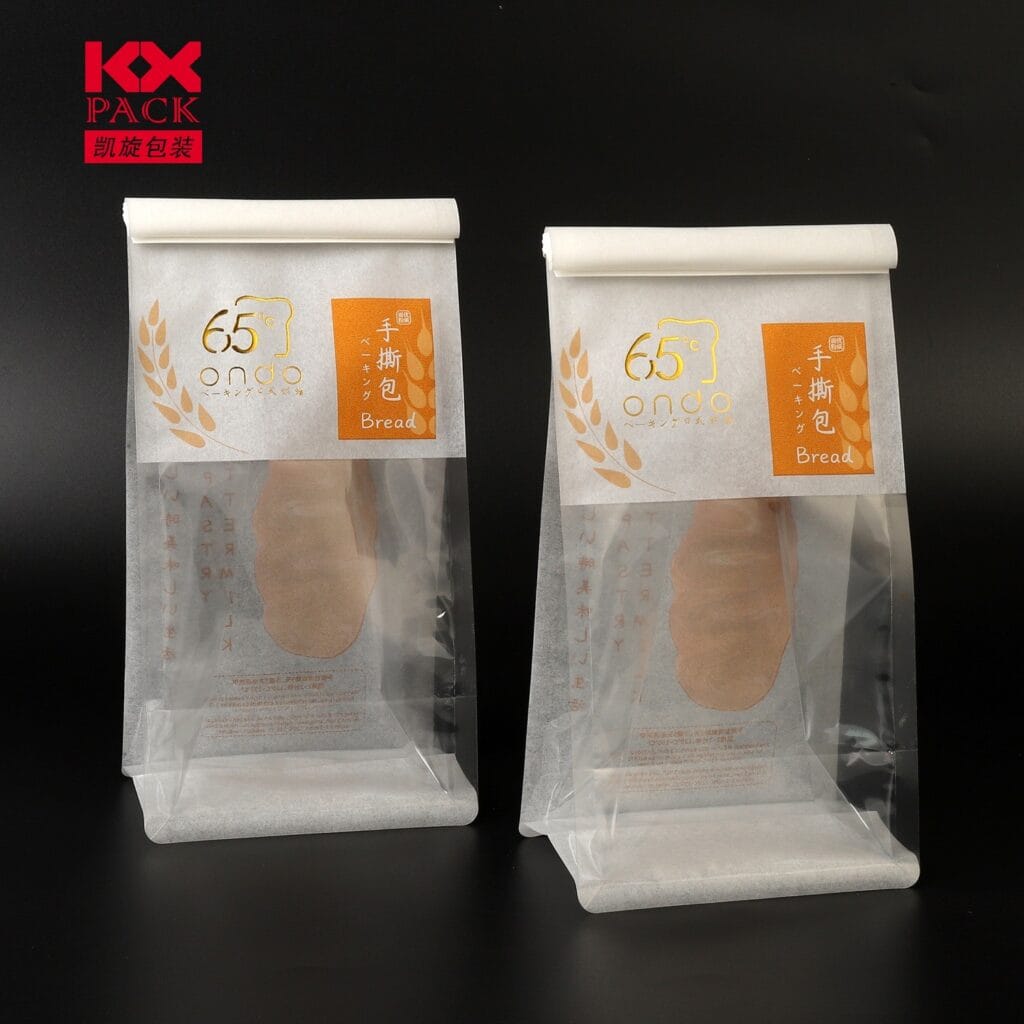
2026 מגמות אריזות מזון mark a departure from the over-the-top, wasteful designs of the past, moving toward a more intentional and purpose-driven approach. Consumers today are overwhelmed by excessive packaging that contributes to environmental harm and creates unnecessary clutter—whether on store shelves or in their homes. This shift has given rise to minimalism as a dominant trend in 2026 מגמות אריזות מזון, emphasizing simplicity, פונקציונליות, and sustainability without compromising on aesthetic appeal. Minimalist food packaging in 2026 is characterized by clean lines, neutral color palettes, and reduced material usage, focusing on what truly matters: protecting the product, communicating essential information, and aligning with the brand’s core values.
One of the key drivers of the minimalist trend in 2026 Food Packaging Trends is the global push for sustainability. With governments around the world tightening regulations on plastic waste—such as the EU’s Packaging and Packaging Waste Regulation (עמ) and China’s “dual carbon” goals—brands are under increasing pressure to reduce their environmental footprint. Minimalist packaging directly addresses this by minimizing material usage, eliminating unnecessary layers, and prioritizing recyclable or biodegradable materials. לדוגמה, many snack brands in 2026 are ditching multi-layered plastic wrappers in favor of single-material paper or compostable film, which not only reduces waste but also aligns with consumer demand for eco-friendly solutions. בנוסף, minimalist packaging often features reusable or refillable designs, such as glass jars for spices or metal tins for cookies, encouraging consumers to adopt more sustainable habits.
Beyond sustainability, minimalism in 2026 Food Packaging Trends is also driven by the desire for clarity and authenticity. In an era of information overload, consumers crave transparency—they want to know what’s in their food and how it’s packaged. Minimalist packaging removes distractions, using simple typography and clear labeling to highlight key information: ingredients, עובדות תזונתיות, and origin. This transparency builds trust between brands and consumers, a critical factor in today’s competitive market. לדוגמה, artisanal food brands specializing in organic or locally sourced products are leveraging minimalist packaging to emphasize their commitment to quality and authenticity, using unbleached paper, hand-drawn logos, and minimal text to let the product speak for itself. This approach not only resonates with eco-conscious consumers but also appeals to those seeking a more genuine, less commercialized brand experience.
As 2026 Food Packaging Trends continue to evolve, minimalism is increasingly being paired with functionality to create packaging that is both simple and practical. For e-commerce food brands, this means designing minimalist packaging that is also durable, חסין דליפה, and easy to ship—addressing the unique challenges of online retail. לדוגמה, meal kit brands in 2026 are using sleek, compact boxes made from recycled cardboard, with built-in compartments to keep ingredients fresh and organized, eliminating the need for excessive padding or separate packaging. This not only reduces waste but also enhances the unboxing experience, a key factor in driving customer loyalty in the digital age. באופן דומה, convenience-focused brands are adopting minimalist designs for on-the-go products, such as single-serve snacks or beverages, with easy-to-open tabs and compact shapes that fit in purses or backpacks.
While minimalism sets the foundation for 2026 מגמות אריזות מזון, health has emerged as an equally important pillar, reflecting consumers’ growing focus on well-being and food safety. ב 2026, food packaging is no longer just about protecting the product—it’s about actively supporting its nutritional value and ensuring its safety. 2026 Food Packaging Trends prioritize health through the use of non-toxic, food-safe materials, advanced保鲜 technologies, and transparent labeling that empowers consumers to make informed choices. This shift is driven by a global rise in health-consciousness, with consumers increasingly avoiding products that contain harmful chemicals or are packaged in materials that may leach toxins.
A key aspect of the health trend in 2026 Food Packaging Trends is the move toward non-toxic and natural materials. BPA, PFAS, and phthalates—once common in food packaging—are now widely avoided, as consumers become more aware of their potential health risks. Brands are instead turning to plant-based materials, כמו PLA (חומצה פולילקטית), PHA (polyhydroxyalkanoates), and paper-based composites, which are not only non-toxic but also biodegradable. לדוגמה, dairy brands in 2026 are using plant-based plastic alternatives for yogurt cups and milk cartons, while beverage brands are adopting paper straws and glass bottles to reduce chemical exposure. בנוסף, many brands are using natural dyes and inks for packaging, avoiding synthetic colors that may contain harmful additives.
Advanced保鲜 technologies are another critical component of the health trend in 2026 מגמות אריזות מזון. Consumers today demand fresher, longer-lasting food, and packaging plays a key role in extending shelf life without the use of artificial preservatives. אריזת אווירה שונה (מַפָּה), which replaces the air inside the package with a mixture of gases to slow spoilage, is becoming increasingly common in 2026, particularly for fresh produce, בָּשָׂר, and seafood. באופן דומה, active packaging—equipped with natural antioxidants or moisture-absorbing materials—helps maintain the nutritional value of food and prevent contamination. לדוגמה, fresh salad brands are using active packaging that releases natural antimicrobial agents to keep greens fresh for longer, reducing food waste and ensuring consumers get the full nutritional benefit of their food.
Transparency in labeling is also a key part of the health trend in 2026 מגמות אריזות מזון. Consumers want to know exactly what they’re eating, and packaging is the primary medium for communicating this information. ב 2026, brands are moving beyond basic nutritional labels to provide more detailed information, such as the origin of ingredients, farming practices, and allergen warnings. Many brands are also adopting “clean label” packaging, which uses simple, easy-to-understand language and avoids vague terms like “natural” or “healthy” without supporting evidence. This transparency not only helps consumers make healthier choices but also builds trust in the brand, as it demonstrates a commitment to honesty and accountability.
The third pillar of 2026 Food Packaging Trends is premiumization, which reflects consumers’ willingness to pay more for high-quality, luxurious packaging that enhances their overall experience. ב 2026, premium food packaging is not just about aesthetics—it’s about creating a sense of value, בִּלעָדִיוּת, and indulgence that aligns with the product’s quality. This trend is driven by the rise of “experience economy,” where consumers seek more than just a product—they want a memorable experience, and packaging is a key part of that experience.
Premiumization in 2026 Food Packaging Trends is characterized by high-quality materials, intricate designs, ותשומת לב לפרטים. Brands are using luxury materials such as glass, מַתֶכֶת, and high-grade paper to create packaging that feels premium to the touch. לדוגמה, premium chocolate brands in 2026 are using embossed metal tins or handcrafted paper boxes, with foil accents and custom designs that reflect the brand’s elegance. באופן דומה, high-end wine and spirits brands are using hand-blown glass bottles and custom labels to create a sense of exclusivity, appealing to consumers who view these products as a status symbol or a treat.
Another aspect of premiumization in 2026 Food Packaging Trends is customization and personalization. Consumers today want products that feel unique and tailored to their preferences, and packaging is a powerful way to deliver this. Brands are using digital printing technology to create custom packaging, allowing consumers to add their names, messages, or even photos to the packaging. לדוגמה, gift sets for holidays or special occasions can be personalized with a custom message, making the gift more meaningful and memorable. בנוסף, many premium brands are offering limited-edition packaging designs, creating a sense of scarcity and exclusivity that drives demand.
The integration of technology is also elevating premium food packaging in 2026 מגמות אריזות מזון. Brands are using QR codes, NFC chips, and AR technology to create interactive packaging that engages consumers and enhances the overall experience. לדוגמה, scanning a QR code on a premium coffee package might take consumers to a video about the coffee’s origin, or allow them to track the product’s journey from farm to cup. באופן דומה, AR technology can be used to create virtual tastings or product demonstrations, making the packaging more engaging and informative. This integration of technology not only adds value to the packaging but also helps brands stand out in a crowded market.
While minimalism, health, and premiumization are the core pillars of 2026 מגמות אריזות מזון, these trends are not mutually exclusive—they often overlap and complement each other. לדוגמה, a premium food brand might use minimalist packaging made from non-toxic, חומרים בני קיימא, combining all three trends to create a product that is both luxurious and responsible. באופן דומה, a health-focused brand might use premium packaging to communicate the quality of its organic products, while keeping the design minimalist to emphasize transparency.
The impact of 2026 Food Packaging Trends extends beyond individual brands—it is reshaping the entire food packaging industry. Manufacturers are investing in new technologies and materials to meet the demand for sustainable, healthy, and premium packaging, while governments are updating regulations to support these trends. לדוגמה, many packaging manufacturers in 2026 are investing in recycling infrastructure and biodegradable material production, while governments are offering incentives for brands that adopt eco-friendly packaging practices. This shift is creating a more sustainable and consumer-centric food packaging ecosystem, benefiting both the environment and consumers.
As we look ahead to the rest of 2026, it’s clear that 2026 Food Packaging Trends will continue to evolve, driven by changing consumer preferences, התקדמות טכנולוגית, and global sustainability goals. Brands that embrace these trends—prioritizing minimalism, health, and premiumization—will be better positioned to succeed in a competitive market, build strong customer loyalty, and make a positive impact on the environment. Whether it’s a small artisanal brand or a large multinational corporation, the key to success in 2026 will be to create packaging that is not just functional, but also aligns with the values and expectations of modern consumers.
לסיכום, 2026 Food Packaging Trends are defined by a shift toward intentionality, responsibility, and experience. Minimalism reduces waste and emphasizes clarity, health prioritizes safety and transparency, and premiumization creates value and indulgence. יַחַד, these trends are transforming food packaging from a functional afterthought into a strategic asset that drives brand success. As consumers continue to demand more from the products they buy, brands must adapt to these trends, leveraging innovative materials, טכנולוגיות, and designs to create packaging that meets their needs and exceeds their expectations. 2026 is a pivotal year for food packaging, and the brands that embrace these trends will lead the way toward a more sustainable, healthy, and luxurious future.