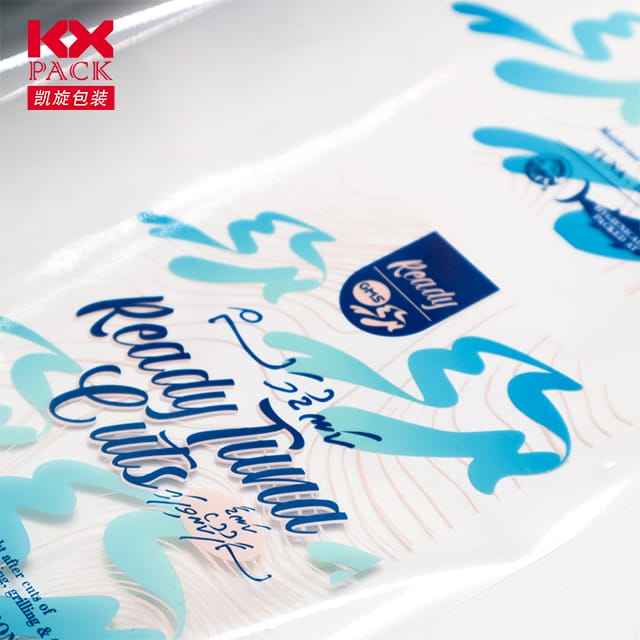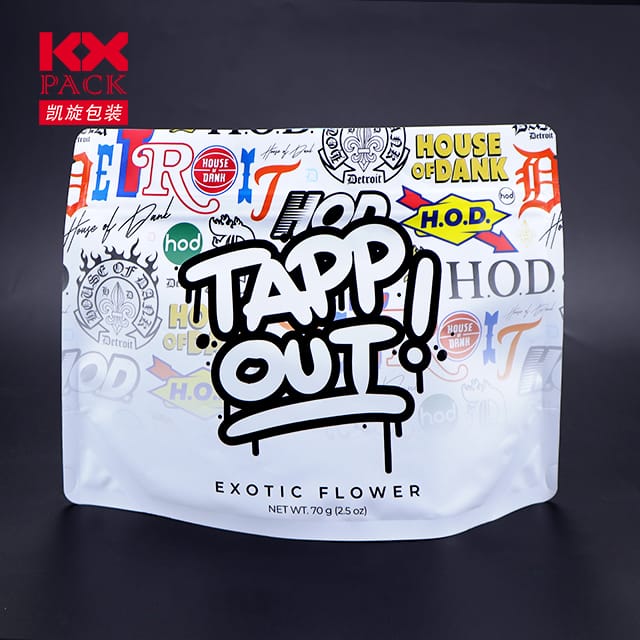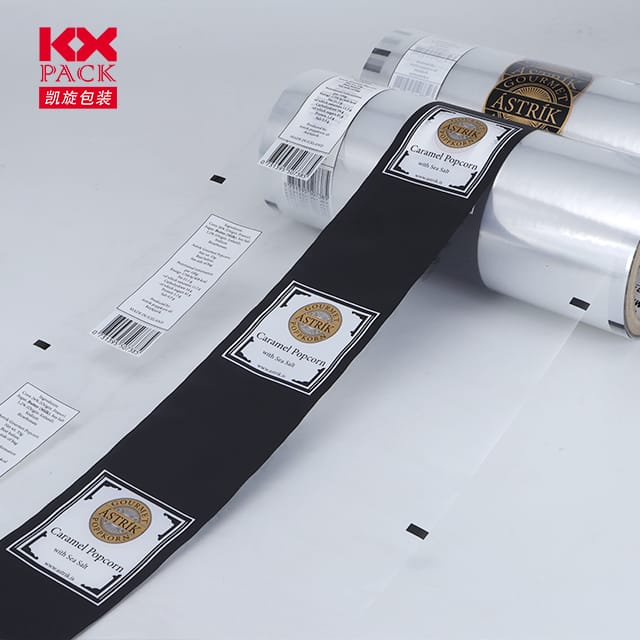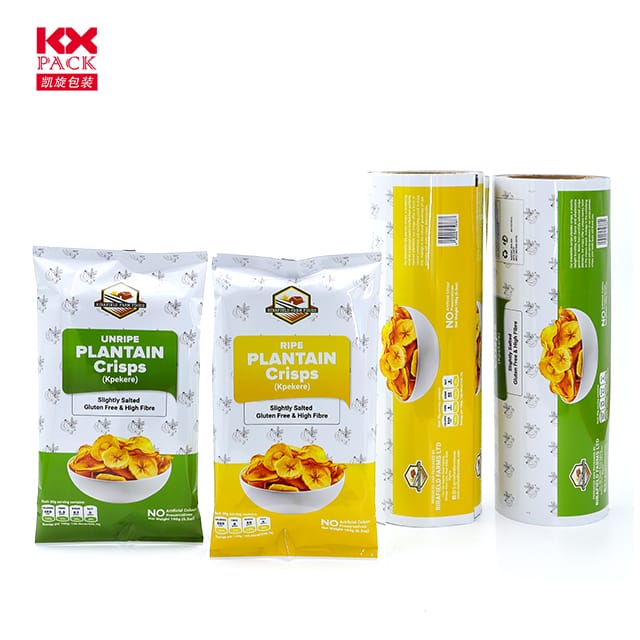
An sineirgíocht na scannán séalaithe, PET, agus CPP: Nuálaíochtaí i bPacáistiú Solúbtha
Scannán séalaithe
In the world of packaging, an tóir ar marthanacht, inbhuanaitheacht, agus ní stopann feidhmiúlacht. Among the unsung heroes of this industry aresealing films, PET (Terephthalate poileitiléin), agusCPP (Polapróipiléine teilgthe)—ábhair a, nuair a chuirtear le chéile, réitigh láidre a chruthú le haghaidh bia, cógaisíocht, cosmaidí, Agus níos faide. Déanaimis díphacáil ar conas a oibríonn na comhpháirteanna seo le chéile chun pacáistiú nua-aimseartha a ath-shainmhíniú.
Scannán séalaithe: The Guardian of Freshness
Sealing films are the first line of defense in preserving product integrity. Whether it’s keeping snacks crisp, medicines sterile, or electronics dust-free, these films create a barrier against moisture, ocsaigine, éadrom, agus ábhar salaithe. I measc na bpríomhghnéithe:
- Sealability Teas: Ensures airtight closures, seilfré a leathnú.
- Friotaíocht puncture: Protects fragile contents during transit.
- Inphrionitheacht: Allows branding and product information to shine.
Modern sealing films often blend multiple polymers to balance cost, léiriú, and eco-friendliness—and that’s where PET and CPP come into play.
PET: The Strength and Clarity Champion
PET (Terephthalate poileitiléin) is a star player in packaging due to its:
- High Tensile Strength: Withstands stress without tearing.
- Trédhearcacht: Offers crystal-clear visibility for product display.
- Friotaíocht Cheimiceach: Ideal for food, deochanna, and personal care items.
- Athchúrsáil: A eco-conscious choice for brands aiming to reduce waste.
PET is commonly used inscannáin faoi chlaíomh (E.g., yogurt cups, trays) agustransparent blister packs, where clarity and strength are non-negotiable. When paired with sealing films, PET adds structural integrity while maintaining a premium look.
CPP: The Flexible, Heat-Resistant Workhorse
CPP (Polapróipiléine teilgthe) shines in applications requiring flexibility and heat resistance. Unlike biaxially oriented polypropylene (BOPP), CPP is uniaxially stretched, giving it:
- Superior Sealability: Forms strong, leak-proof bonds even at high speeds.
- Softness and Flexibility: Conforms to irregular shapes without cracking.
- Low-Temperature Tolerance: Maintains performance in refrigerated or frozen environments.
CPP is a go-to forflow wraps (E.g., chocolate bars, earraí bácáilte), púitsí seasamh suas, aguspacáistiú leighis, where durability and adaptability are critical.
The Perfect Trio: Combining PET, CPP, and Sealing Films
CathainPET, CPP, and sealing films are laminated or co-extruded, they create hybrid structures that leverage each material’s strengths:
- PET + Scannán séalaithe: Ideal for rigid trays or thermoformed packaging, where PET provides rigidity and the sealing film ensures a hermetic seal.
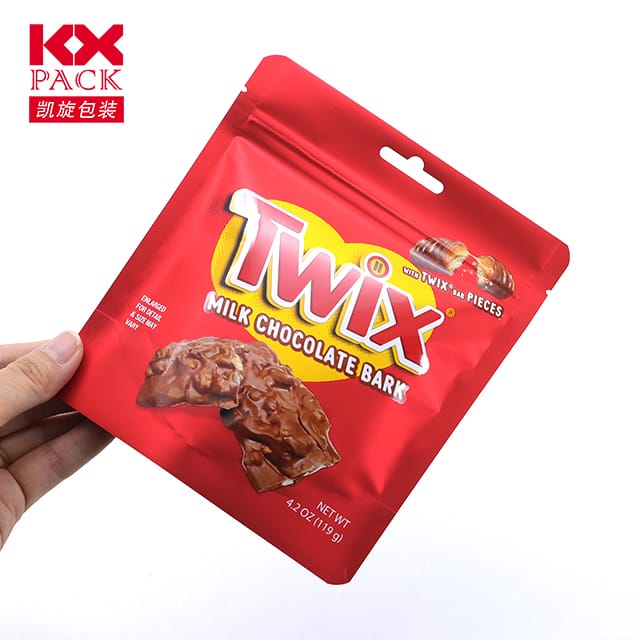
- CPP + Scannán séalaithe: Used in flexible packaging like snack bags or frozen food pouches, where CPP’s flexibility and heat resistance meet the sealing film’s barrier properties.
- PET + CPP + Scannán séalaithe: A trifecta for high-performance applications (E.g., retort pouches for ready-to-eat meals), offering strength, solúbthacht, and sterilization compatibility.
Nuálaíochtaí a Thiomáineann an Todhchaí
The packaging industry is constantly evolving, with advancements like:
- Roghanna Roghanna Bithbhunaithe: PET and CPP variants made from renewable resources (E.g., sugarcane-based polyethylene) reduce reliance on fossil fuels.
- Pacáistiú Cliste: Integrating sensors or QR codes into sealing films for real-time freshness tracking.
- Solas: Thinner yet stronger laminates reduce material use without compromising performance.
- Athchúrsáil: Mono-material structures (E.g., all-PET or all-PP laminates) sruthanna athchúrsála a shimpliú.
Dúshláin agus Breithnithe
In ainneoin a gcuid buntáistí, these materials face hurdles:
- Costas: High-performance films can be pricier than traditional options.
- Castacht Athchúrsála: Multi-layer laminates (E.g., PET/CPP/aluminum) are harder to recycle than single-material structures.
- Comhlíonadh rialála: Meeting food-safety standards and environmental regulations requires rigorous testing.
ach, brands and manufacturers are rising to the challenge by investing insustainable innovations aguscircular design principles.
Conclúid: Packaging Reimagined
The synergy betweensealing films, PET, agus CPP is a testament to how material science can solve real-world problems. Ó seilfré a leathnú go dtí dramhaíl a laghdú, these technologies empower brands to deliver products safely, sustainably, and stylishly.
As consumers demand greener choices and smarter packaging, the future will likely see even more collaboration between materials engineers, dearthóirí, and recyclers. The goal? To create packaging that’s as kind to the planet as it is to the products it protects.
What’s your perspective? How do you think packaging materials will evolve in the next decade? Share your insights below! 🌍📦🔒
Eochairfhocail: scannán séalaithe, PET, CPP, flexible packaging, Pacáistiú inbhuanaithe, food preservation, material innovation