Ról agus Todhchaí Scannán Pacáistiú Plaisteacha: Comhardú Fóntais agus Inbhuanaitheacht (2)
Scannán pacáistithe plaisteach
Réamhrá
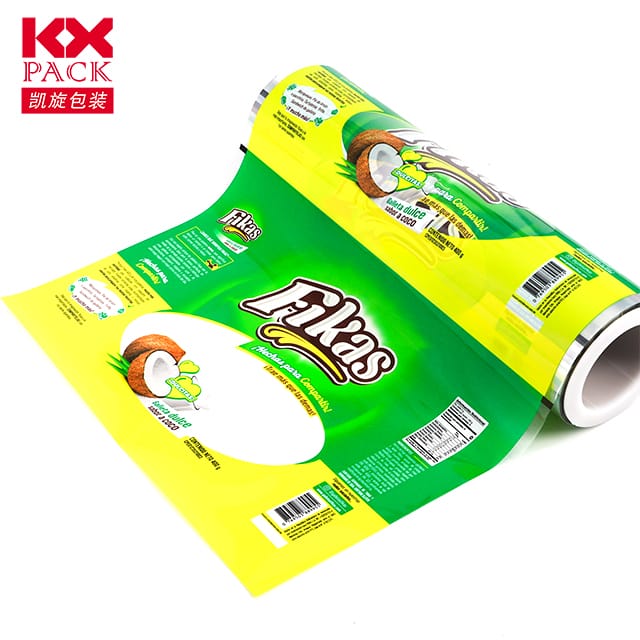
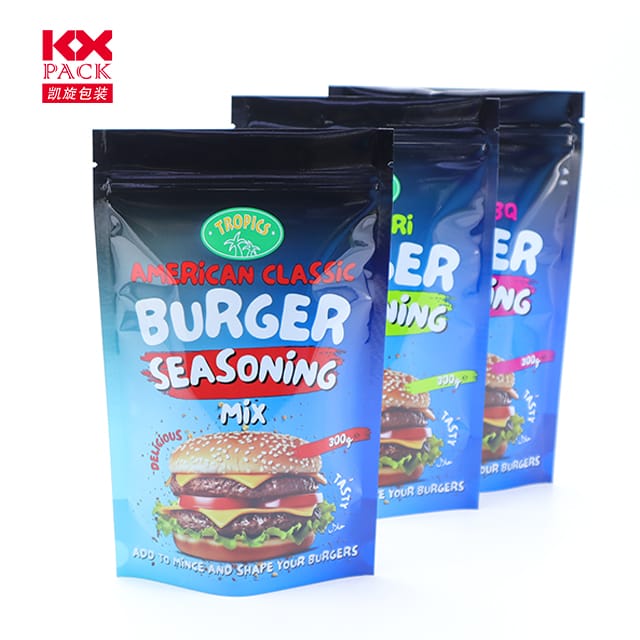
In a world where convenience and preservation are paramount, scannán pacáistithe plaisteach has become an ubiquitous presence. Ó tháirgí úra go leictreonaic, Cosnaíonn an t-ábhar ilúsáideach seo earraí, leathnaíonn an seilfré, agus sruthaíonn sé slabhraí soláthair. Ach fós féin, spreag a tionchar ar an gcomhshaol díospóireachtaí domhanda. Scrúdaíonn an t-alt seo ról ilghnéitheach scannán pacáistithe plaisteacha, a iarratais, dúshláin, and the path toward sustainability.
1. The Versatility of Plastic Packaging Film
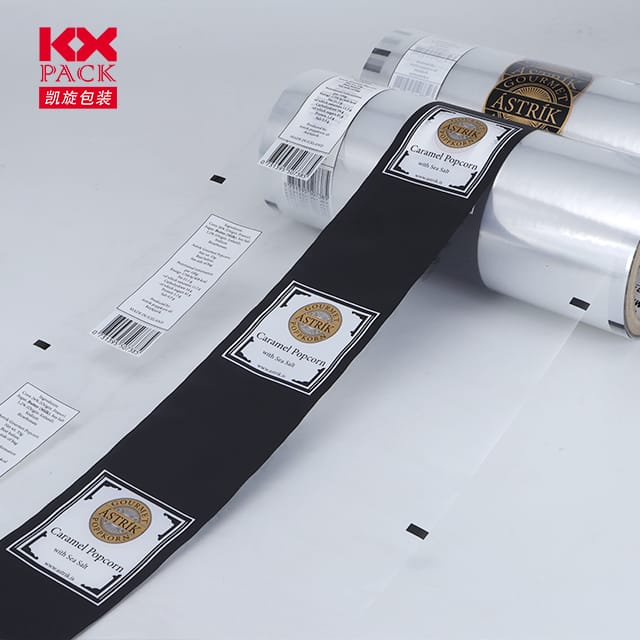
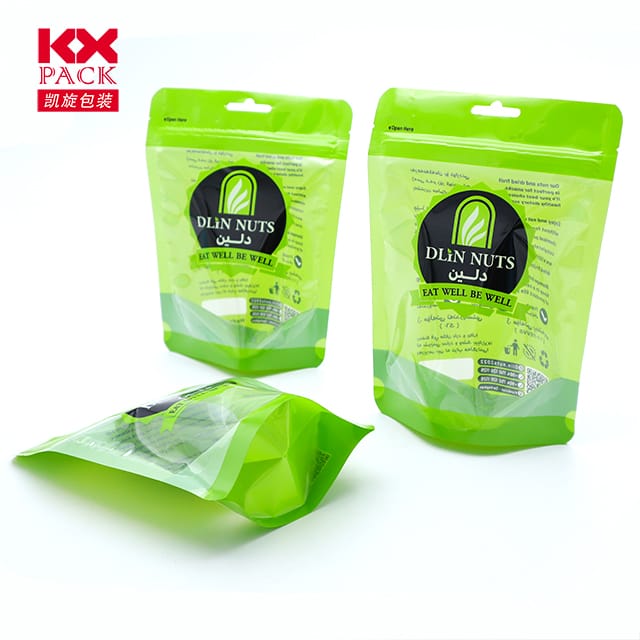
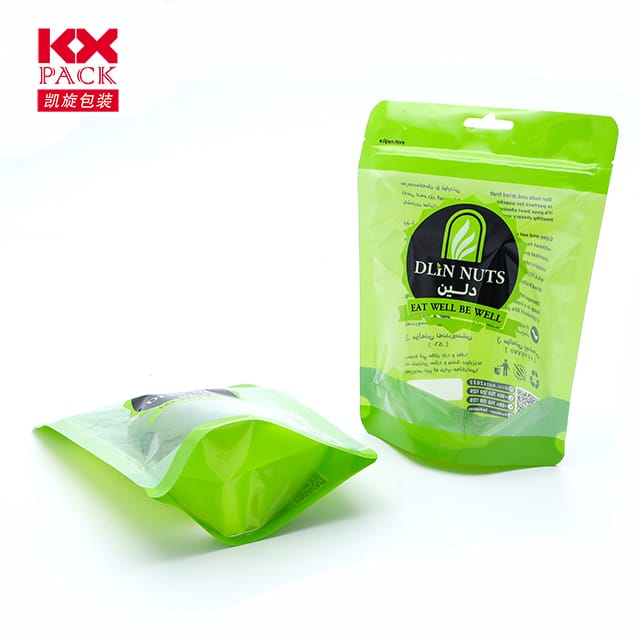
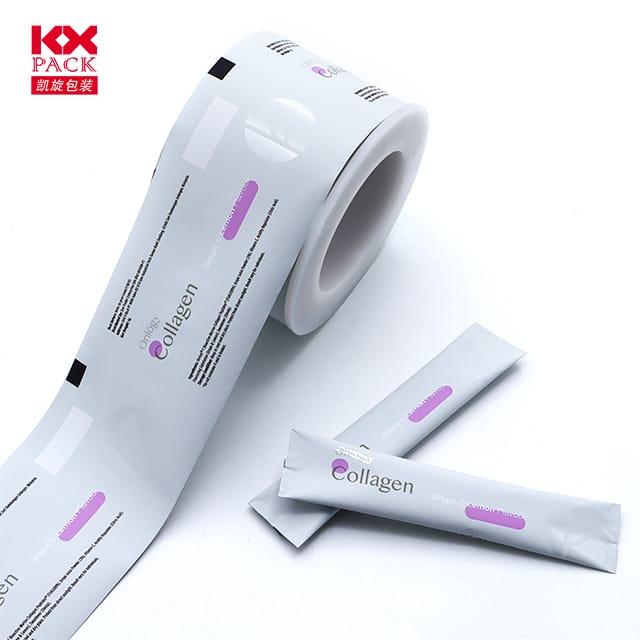
Plastic films are engineered for diverse purposes, Buíochas lena n -inoiriúnaitheacht:
- Types of Films:
- Corpoideachas (Poileitiléin): Solúbtha, éadrom, and ideal for food packaging.
- PP (Polapróipiléin): Heat-resistant, used for microwave-safe containers.
- PVC (Clóiríd polaivinile): Durable and shrink-wrap capable.
- PET (Poileistear): Strong and transparent, often used for beverages and electronics.
- Scannáin in -bhithmhillte: Déanta as PLA, Pha, or starch-based materials.
- Feidhmithe:
- Caomhnú Bia: Seals freshness, prevents contamination.
- Medical Supplies: Sterile packaging for surgical tools.
- Ríomhthráchtáil: Protective wraps for fragile items during shipping.
- Talmhaíocht: Mulch films to enhance crop growth.
2. The Double-Edged Sword: Benefits vs. Imní Timpeallachta
Buntáistí:
- Cost-éifeachtach: Affordable production and lightweight transportation.
- Cosaint bhacainní: Blocks moisture, ocsaigine, agus solas UV.
- Solúbthacht: Adaptable to various shapes, sizes, and products.
Cons:
- Truailliú: Contributes to landfills and ocean plastic waste.
- Non-Biodegradability: Traditional plastics take centuries to decompose.
- Micreaplaistigh: Break down into tiny particles, entering ecosystems and food chains.
3. Innovations in Sustainable Packaging
The industry is responding to environmental pressures with cutting-edge solutions:
- Biodegradable Alternatives:
- PLA (Aigéad polalactach): Derived from corn starch or sugarcane.
- Pha (Polyhydroxyalkanoates): Naturally produced by microbes.
- Seaweed-Based Films: Edible and compostable.
- Múnlaí Geilleagair Chiorclán:
- Athchúrsáil cheimiceach: Breaking down plastics into raw materials.
- Recycling Technologies: Advanced sorting systems to improve recovery rates.
- Design Innovations:
- Monomaterial Films: Easier to recycle (E.g., 100% Corpoideachas).
- Minimalist Packaging: Reducing material use without compromising protection.
4. The Role of Stakeholders
Transitioning to sustainable practices requires collaboration:
- Brandaí: Invest in eco-friendly materials and transparent labeling.
- Tomhaltóirí: Choose reusable options and support brands prioritizing sustainability.
- Rialtais: Enforce extended producer responsibility (EPR) laws and ban single-use plastics.
- Innovators: Develop scalable, cost-effective alternatives to conventional plastics.
5. Looking Ahead: A Future Without Waste
The journey toward sustainable plastic packaging is underway, but challenges remain. Key priorities include:
- Infrastructure Development: Expanding recycling facilities globally.
- Education: Raising awareness about proper disposal and reduction.
- Policy Advocacy: Incentivizing green technologies and penalizing pollution.
Conclúid
Plastic packaging film is a cornerstone of modern logistics, but its environmental toll demands urgent action. Trí ábhair bhith -dhíghrádaithe a ghlacadh, circular systems, and collaborative innovation, we can protect both products and the planet. The future of packaging lies not in eradication, but in responsible evolution—where utility and sustainability coexist.
💡Smaoineamh deiridh: Every choice matters. An chéad uair eile a scaoilfidh tú táirge, consider the story behind its packaging. Let’s strive for a world where plastic film is a tool for good, not a burden on Earth.