Éabhlóid agus tionchar an scannáin phlaisteacha: Ó Nuálaíocht go Inbhuanaitheacht (3) Dúshláin
Scannán plaisteach
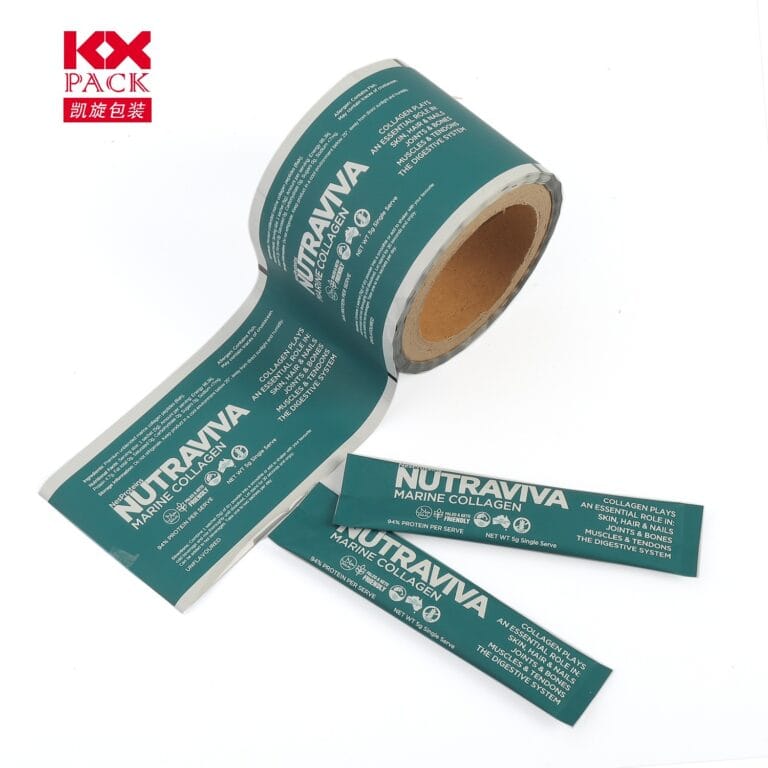
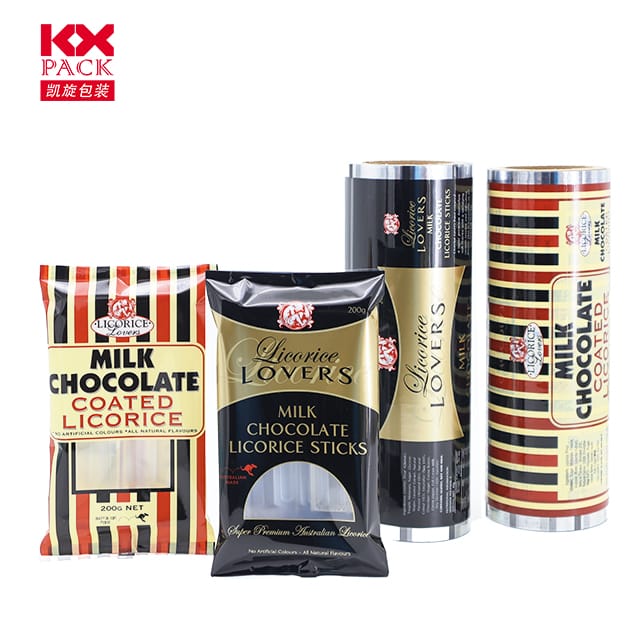
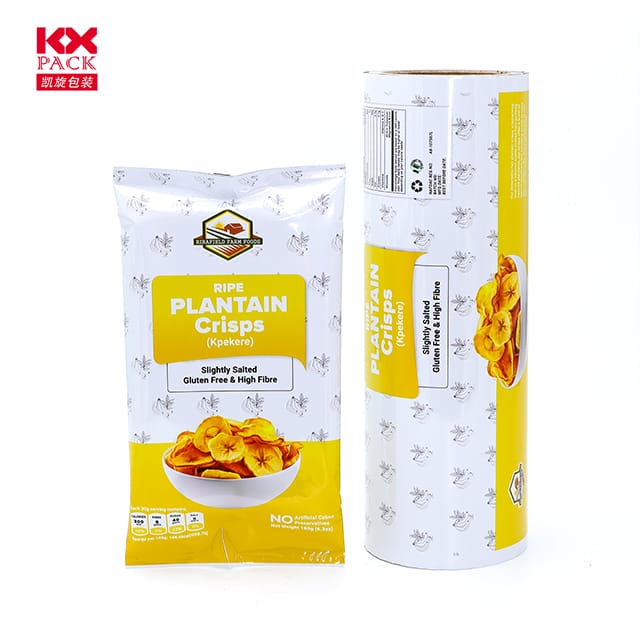
Plastic film, ábhar ildánach ach nach mbíonn mórán meas air go minic, tríd an saol nua-aimseartha ar bhealaí iomadúla. Ó phacáistiú bia agus barra a chosaint go feistí leighis agus foirgnimh inslithe a fheabhsú, tá sé fíor-riachtanach mar gheall ar a marthanacht éadrom agus a éifeachtúlacht costais. ach, Mar imní chomhshaoil, tá casadh ríthábhachtach ag tionscal na scannán plaisteach: balancing innovation with sustainability.
A Multifaceted Marvel: Iarratais ar fud na dtionscal
Plastic film’s adaptability stems from its composition—typically polyethylene (Corpoideachas), polapróipiléine (PP), nó clóiríd polaivinile (PVC)—which can be tailored for specific uses:
- Pacáistiú Bia: Stretch films, cling wraps, and vacuum-sealed pouches extend shelf life and reduce waste.
- Talmhaíocht: Mulch films conserve water, suppress weeds, and boost crop yields by up to 30% in arid regions.
- Cúram sláinte: Sterile wraps for surgical instruments and blister packs for pharmaceuticals ensure safety and hygiene.
- Tógáil: Vapor barriers and shrink films protect buildings from moisture during construction.
The global plastic film market, luach ag$160 billiún i 2023, is projected to grow at 4.5% annually, driven by emerging economies and e-commerce packaging demands.
The Environmental Conundrum: Claíomh dúbailte
Despite its utility, plastic film’s environmental footprint is undeniable:
- Waste Accumulation: Single-use plastic films, such as shopping bags and food wraps, account for20% truailliú plaisteach muirí, entangling wildlife and microplastics infiltrating ecosystems.
- Constaicí Athchúrsála: Tanaí, multi-layered films are difficult to sort and process, with recycling rates hovering around5–15% in developed nations.
- Microplastic Threat: Fragmented films release tiny particles into soil and water, posing risks to human health through the food chain.
Brúnna rialála, such as the EU’sSingle-Use Plastics Directive and China’s ban on non-degradable bags, are forcing industries to rethink plastic film’s role.
Pioneering Solutions for a Circular Future
To address these challenges, manufacturers and innovators are exploring sustainable alternatives:
- Scannáin in -bhithmhillte agus in -mhúirínithe:
- Materials like PLA (aigéad polalactach), díorthaithe ó stáirse arbhar, and PBAT (polabhúitiléin adipate teirephthalate) offer eco-friendly options. Brandaí marOibríonn Dúlra agusBASF are scaling production.
- Cás -staidéar: A UK supermarket chain replaced conventional bags with compostable PLA films, reducing plastic waste by 40%.
- Teicneolaíochtaí Ard -Athchúrsála:
- Chemical recycling breaks down mixed plastics into raw materials, enabling closed-loop systems.
- Mechanical recycling upgrades post-consumer films into pallet wraps or construction materials.
- Reusable and Thinner Alternatives:
- High-barrier, recyclable mono-material films (E.g., PE-only packaging) simplify recycling.
- Nuálaíochtaí maredible seaweed-based coatings for fresh produce could eliminate single-use wraps entirely.
Industry Collaboration and Policy Drivers
Governments and corporations are aligning to accelerate change:
- Freagracht an táirgeora leathnaithe (EPR) schemes in the EU and U.S. mandate brands to fund recycling infrastructure.
- Corporate Commitments: U aon duine, Nestlé, and Walmart aim to use 100% recyclable or reusable packaging by 2025, driving demand for sustainable films.
- Agricultural Innovations: Biodegradable mulch films, tested in India and the U.S., decompose within 180 laethanta, reducing soil contamination.
An bóthar amach romhainn: Balancing Progress and Planet
The future of plastic film hinges on three pillars:
- Material Innovation: Scaling bio-based and recyclable alternatives without compromising performance.
- Circular Design: Prioritizing reusability, recyclability, and compostability in product development.
- Rannpháirtíocht Tomhaltóirí: Educating the public on proper disposal and advocating for reuse systems.
As technologies mature and policies tighten, plastic film could transition from a symbol of environmental harm to a beacon of sustainable innovation. The challenge lies not in abandoning this versatile material, but in reimagining its lifecycle—from linear waste to circular resource.
Foinsíocht: Smithers Pira, Fondúireacht Ellen MacArthur, Industry Reports 2024
Conclúid: Plastic film, once a hallmark of convenience, now stands at a crossroads. Trí ghlacadh le nuálaíocht, comhoibriú, agus maoirseacht chomhshaoil, the industry can safeguard both human needs and the planet’s future. The journey has begun—will we rise to the challenge?