Todhchaí na Scannán Pacáistithe Bia: Inbhuanaitheacht, Nuálaíocht, agus Thall (1)
Scannáin Pacáistithe Bia
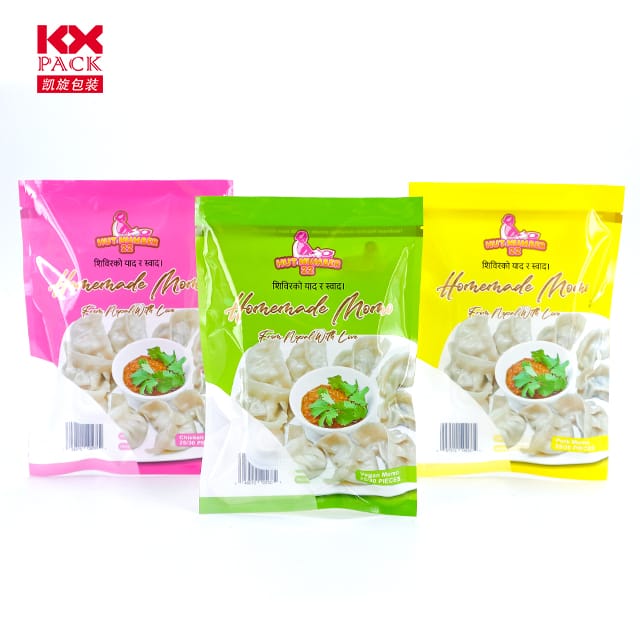
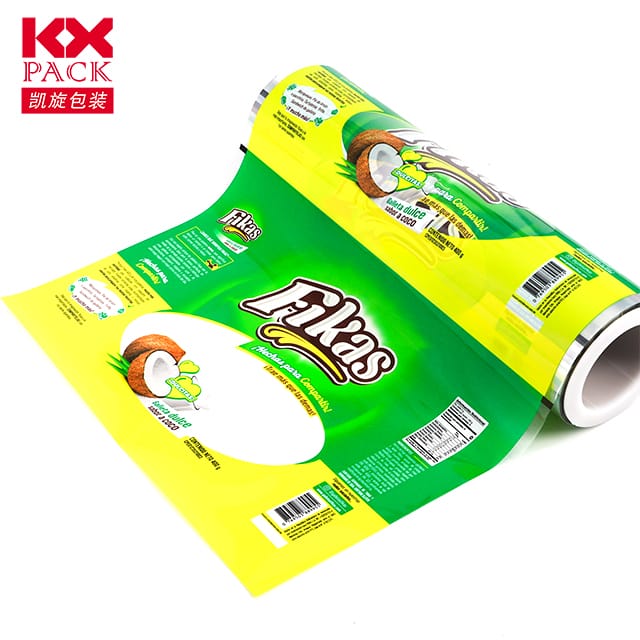
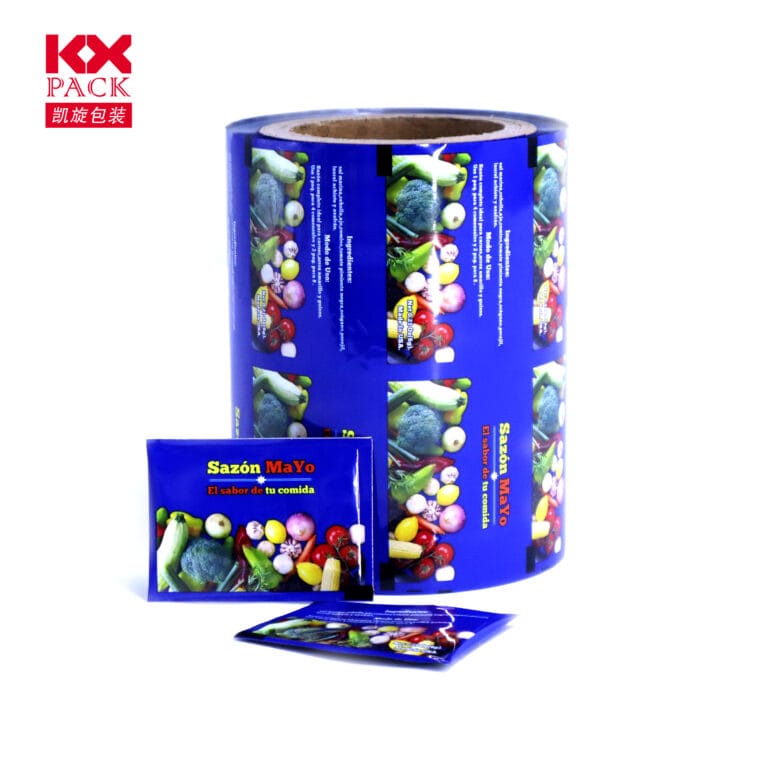
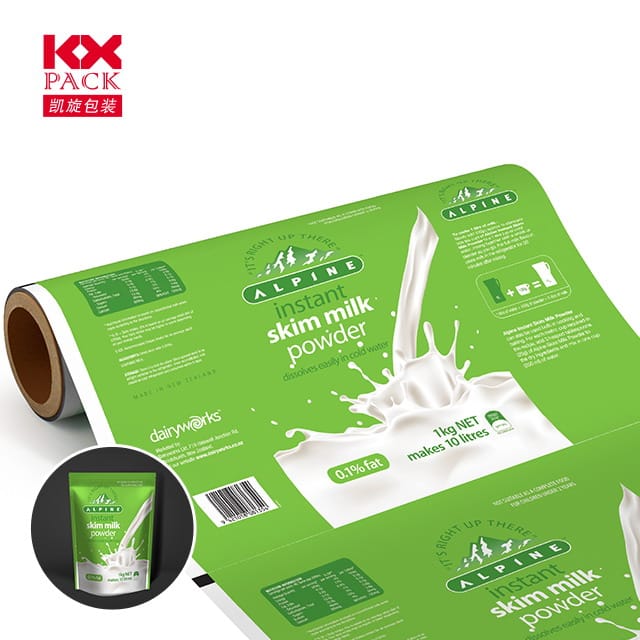
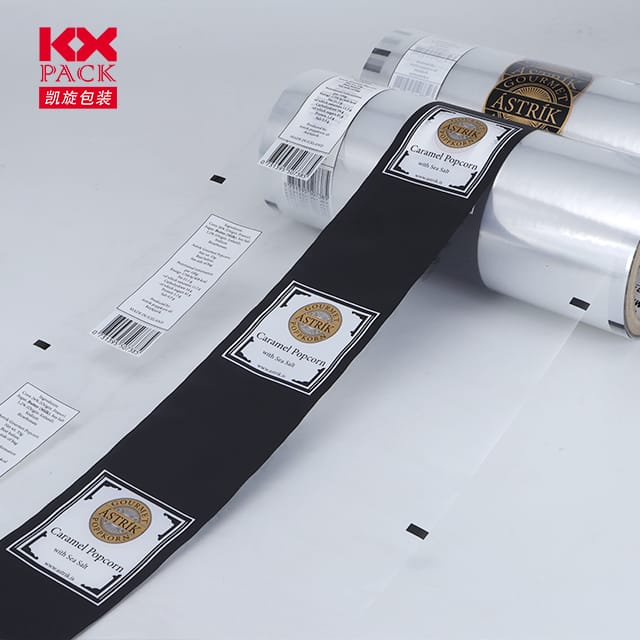
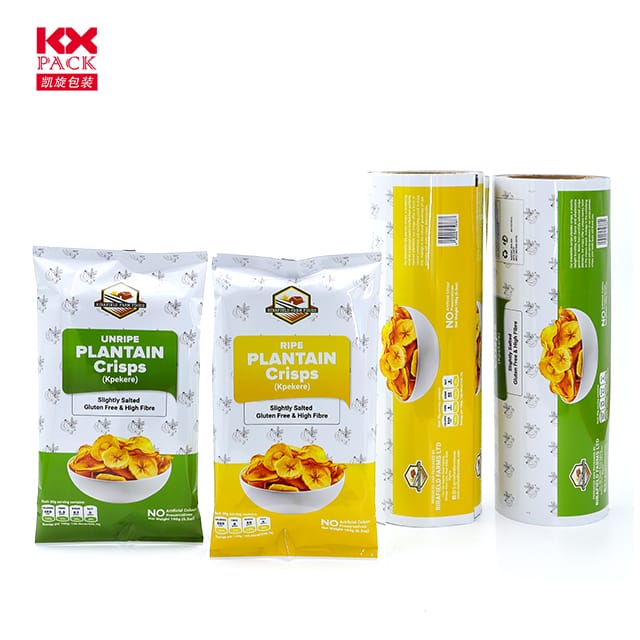
In an era where environmental consciousness is reshaping consumer habits, the role ofscannáin pacáistiú bia has moved beyond mere preservation to become a critical component of sustainable food systems. Ó seilfré a leathnú go dtí dramhaíl a laghdú, tá ról déach ag na sraitheanna tanaí polaiméire seo maidir le cáilíocht bia a chosaint agus an phláinéid a chosaint. Déanaimis iniúchadh ar na treochtaí is déanaí, dúshláin, and innovations in food packaging films.
1. The Evolution of Food Packaging Materials
Traditional Scannáin Pacáistithe Bia, mar poileitiléin (Corpoideachas), polapróipiléine (PP), agus teireiftaláit poileitiléin (PET), have long dominated the market due to their durability, solúbthacht, agus éifeachtúlacht costais. ach, their non-biodegradable nature has sparked urgent calls for alternatives. Cuir isteach Scannáin in -bhithmhillte agus in -mhúirínithe made from materials like polylactic acid (PLA), polahidrocsaalcánáití (Pha), and algae-based polymers. These innovations aim to reduce plastic pollution while maintaining functionality.
Key Innovations:
- Nano-enhanced Films: Embedded with antimicrobial nanoparticles (E.g., silver or zinc oxide) to inhibit microbial growth without preservatives.
- Edible Coatings: Made from proteins, polysaccharides, or lipids, these films are safe to consume and reduce waste.
- Pacáistiú Cliste: Sensors embedded in films can monitor freshness, teocht, or spoilage, alerting consumers via color changes or QR codes.
2. Dúshláin agus Réitigh Inbhuanaitheachta
An domhanda Scannáin Pacáistithe Bia industry faces a paradox: 8 million tons of plastic waste enter oceans annually, yet packaging prevents 27% of food loss. Striking a balance requires rethinking material choices and end-of-life strategies.
Dúshláin:
- Castacht Athchúrsála: Multi-layer films are hard to recycle, as a dtagann éilliú i sruthanna athchúrsála.
- Cost Barriers: Biodegradable alternatives are often pricier due to scaling limitations.
- Consumer Confusion: Lipéid cosúil le “in-bhithmhillte” nó “inmhúirín” can mislead without proper disposal infrastructure.
Solutions:
- Múnlaí Geilleagair Chiorclán: Closed-loop systems where used films are collected, athchúrsáilte, and repurposed.
- Policy Push: Governments are incentivizing eco-friendly packaging (E.g., Treoir Plaistigh Aonair an AE).
- Collaboration: Partnerships between brands, material scientists, and waste management firms to streamline solutions.
3. Treochtaí ag Múnlú an Tionscail
- Rise of Plant-Based Polymers: Scannáin Pacáistithe Bia Materials derived from corn, potato starch, or mycelium (mushroom roots) ag fáil tarraingt.
- Minimalist Packaging: Brands like M&S and Loop are adopting refillable containers and zero-waste designs.
- Carbon Footprint Tracking: Life-cycle assessments (LCAs) are becoming standard to quantify environmental impact.
Cás -staidéar: Danish companyLeabhar nótaí creates seaweed-based packaging that dissolves in 4-6 weeks. Partnering with Just Eat, they replaced 500,000 plastic sauce sachets with marine-friendly alternatives.
4. The Consumer-Brand Dynamic
Modern shoppers prioritizetransparency and purpose. A survey by McKinsey found that 70% tá tomhaltóirí sásta níos mó a íoc as pacáistiú inbhuanaithe. Brands that communicate their eco-efforts authentically—e.g., Patagonia’s 100% compostable snack bags—build trust and loyalty.
5. Looking Ahead: What’s Next?
The future of food packaging films lies inhybrid solutions:
- Bio-based + Smart Technology: Films that are both compostable and equipped with freshness sensors.
- Regional Adaptation: Tailoring packaging to local waste infrastructure (E.g., compostable in urban areas, recyclable in regions with robust systems).
- Dearadh faoi thiomáint Ai: Algorithms optimizing material use and reducing over-packaging.
Conclúid
Food packaging films are no longer just a protective barrier—they’re a canvas for innovation, inbhuanaitheacht, and ethical responsibility. By merging cutting-edge materials with circular thinking, the industry can curb environmental harm while ensuring food security. Mar thomhaltóirí, businesses, and policymakers align their efforts, the vision of a zero-waste food chain moves from aspiration to reality.
Let’s wrap up the future responsibly. 🌍🍎
Hashtags: #SustainablePackaging #FoodTech #CircularEconomy #EcoInnovation #PlasticFree
This blog post balances technical insights with actionable trends, making it suitable for industry professionals, eco-conscious consumers, and sustainability enthusiasts. Would you like me to expand on any section or add specific data points?