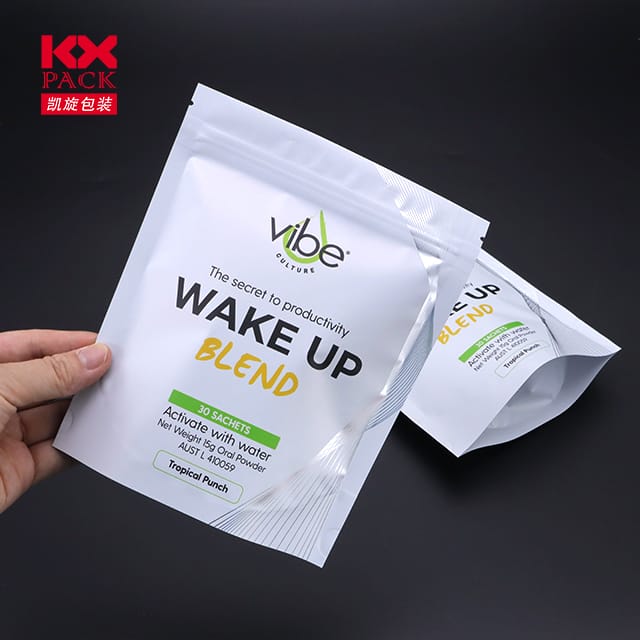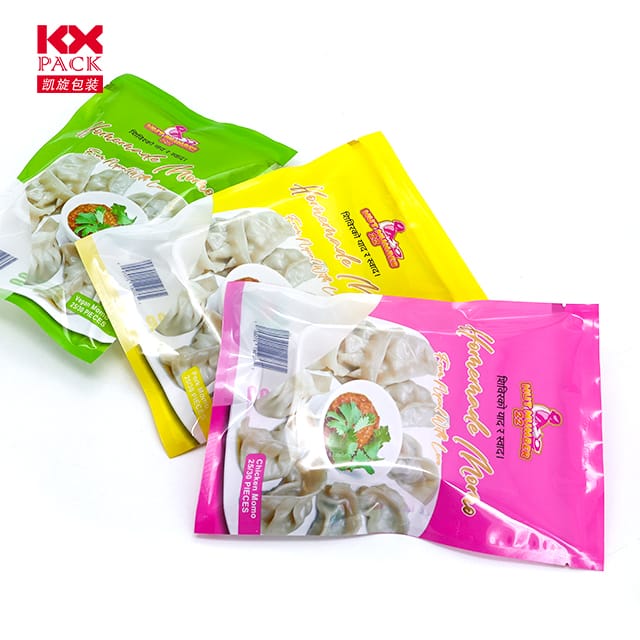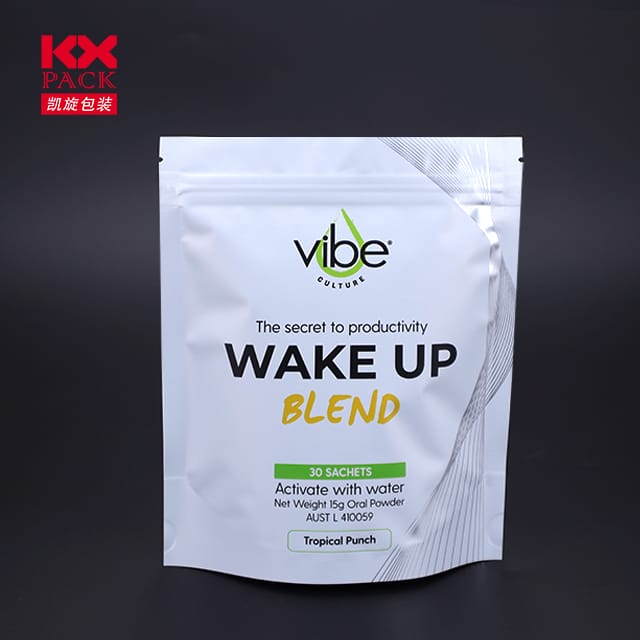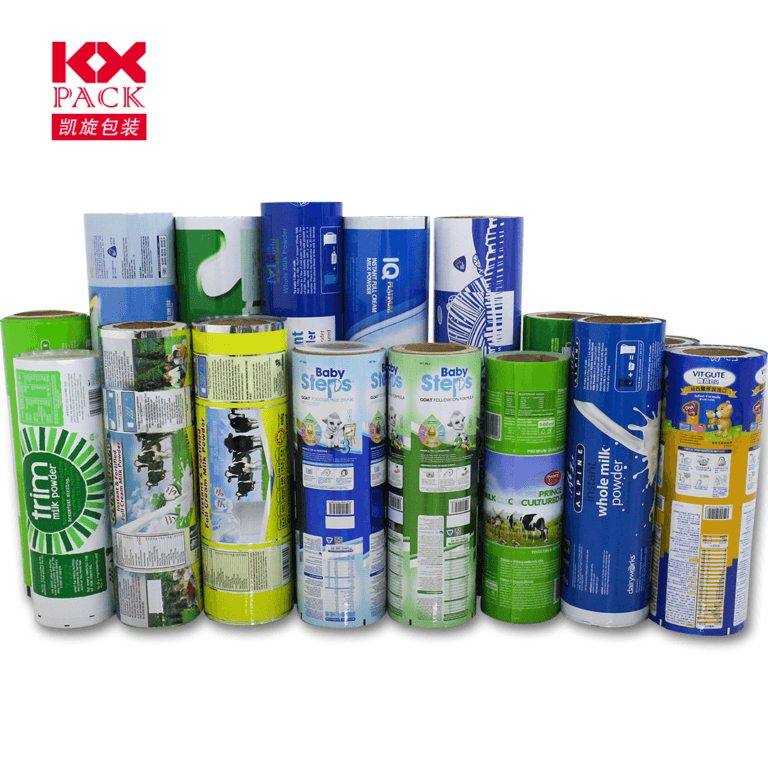
Scannán Pacáistiú Bia: Nuálaíochtaí a Thiomáineann Inbhuanaitheacht agus Húire (6)
Scannán Pacáistiú Bia
I ndomhan tapa an lae inniu, is éard atá i gceist le scannán pacáistithe bia ná ciseal cosanta amháin - is gné ríthábhachtach é de shábháilteacht bia, inbhuanaitheacht, agus áisiúlacht do thomhaltóirí. Ó seilfré a leathnú go dtí dramhaíl a laghdú, tá dul chun cinn i dteicneolaíocht scannán pacáistithe ag athmhúnlú an chaoi a stórálaimid, ionnarb, agus taitneamh a bhaint as bia. Déanaimis iniúchadh ar na treochtaí is déanaí, dúshláin, and breakthroughs in this essential industry.
The Role of Food Packaging Film
Food packaging film serves multiple purposes:
- Caomhnú: Protects food from oxygen, taise, and contaminants to maintain freshness.
- Áisiúlacht: Enables easy handling, portioning, and on-the-go consumption.
- Sábháilteacht: Acts as a barrier against bacteria and physical damage.
- Inbhuanaitheacht: Modern films aim to minimize environmental impact through recyclable or biodegradable materials.
Cutting-Edge Innovations
- Scannáin in -bhithmhillte agus in -mhúirínithe
Scannáin phlaisteacha thraidisiúnta, Cé go bhfuil sé éifeachtach, contribute to global pollution. Enter eco-friendly alternatives made from plant-based materials like polylactic acid (PLA), stáirse, nó ceallalós. These films break down naturally, reducing landfill waste. Mar shampla, companies like TIPA and BioPak are leading the charge with compostable packaging for snacks, Táirgí Úra, and even coffee pods. - Pacáistiú gníomhach agus cliste
Beyond passive protection, “smart” films now interact with food to enhance safety and quality:- Oxygen Scavengers: Films embedded with substances that absorb oxygen to prevent spoilage (common in meat and cheese packaging).
- Táscairí Am-Teocht (Dada): Lipéid a athraíonn dath má bhíonn bia faoi lé teochtaí neamhshábháilte, úire a chinntiú.
- Antimicrobial Coatings: Films infused with natural agents like essential oils to inhibit bacterial growth.
- Pacáistiú Inite
Imagine eating your wrapper instead of throwing it away! Edible films made from ingredients like seaweed, rice starch, or fruit purees are gaining traction. Brands like Notpla (saicíní feamainn-bhunaithe) and WikiCells (edible casings for yogurt or juices) are pioneering this space, offering a zero-waste solution. - Nanotechnology in Packaging
Nanoparticles are being used to create ultra-thin, high-barrier films that outperform traditional plastics. Mar shampla, silver nanoparticles provide antimicrobial properties, while clay nanocomposites enhance strength and gas resistance.
Sustainability Challenges
Despite progress, Tá constaicí os comhair an tionscail:
- Costas: Biodegradable materials are often more expensive than conventional plastics.
- Feidhmíocht: Some eco-friendly films struggle with durability or moisture resistance.
- Bonneagar athchúrsála: Compostable films require industrial facilities, which are not yet widely available.
- Iompar Tomhaltóirí: Confusion over labeling (E.g., “biodegradable” vs. “compostable”) can lead to improper disposal.
The Future of Food Packaging Film
The shift toward circular economy principles is driving innovation. I measc na bpríomhthreochtaí tá:
- Monomaterial Films: Designed for easier recycling by using a single type of plastic.
- Water-Soluble Films: Ideal for single-use sachets, dissolving harmlessly in water.
- Dearadh faoi thiomáint Ai: Machine learning optimizes film thickness, material use, and functionality to reduce waste.
Consumer Tips for Eco-Friendly Choices
- Look for certifications like “OK Compost” or “Biodegradable Products Institute (BPI).”
- Prioritize reusable containers over single-use films when possible.
- Support brands committed to sustainable packaging.
Conclúid
Food packaging film is evolving from a disposable necessity to a high-tech, sustainable solution. As consumer demand for eco-friendly options grows, the industry is rising to the challenge with innovations that prioritize both planet and product. By embracing these advancements, we can enjoy fresher food, dramhaíl a laghdú, and take a step closer to a greener future.
Cad é do mheas ar phacáistiú inbhuanaithe? Share your thoughts or favorite eco-friendly brands in the comments!