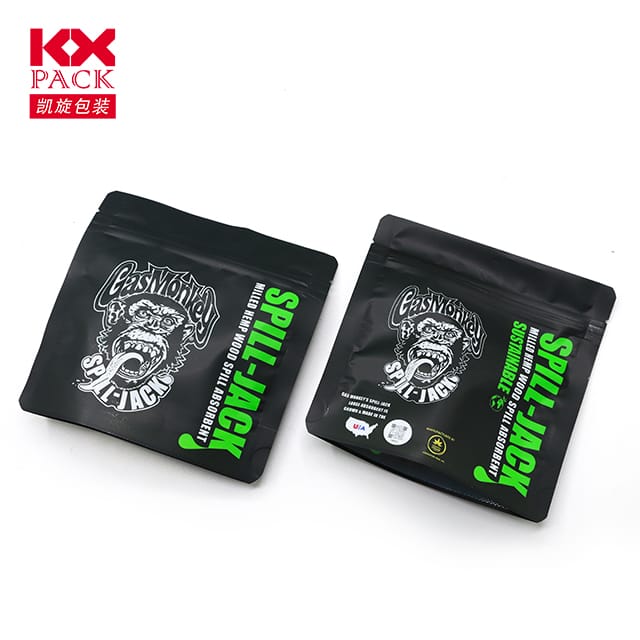
L'évolution du film d'emballage imprimé: Comment l'innovation est en train de remodeler la présentation des produits
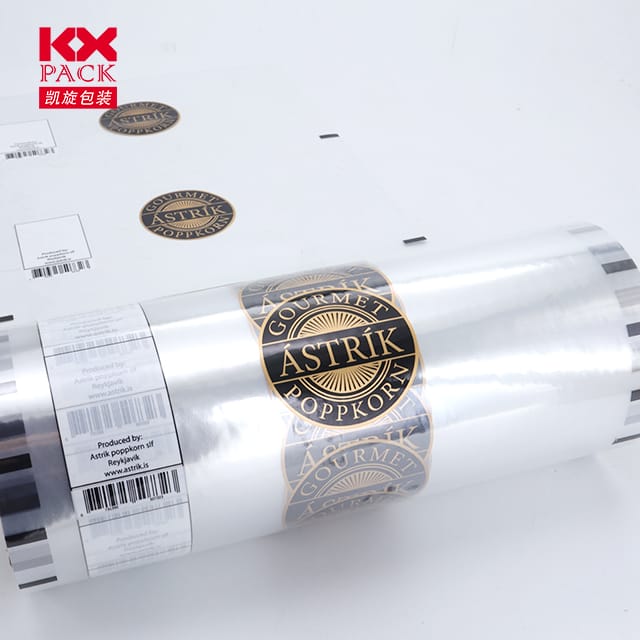
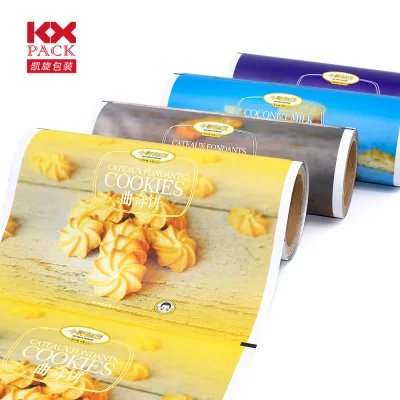
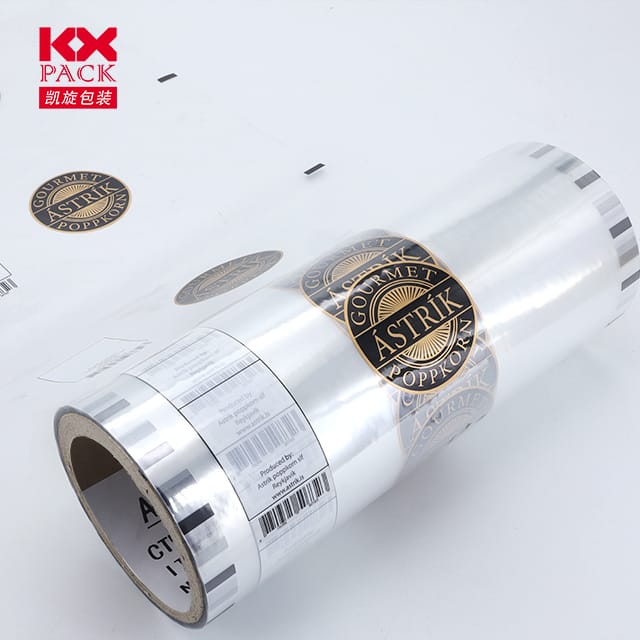
Film d'emballage imprimé
Dans le paysage hyperconcurrentiel actuel du commerce de détail, L'emballage d'un produit n'est plus seulement un shell protecteur - c'est un outil de marketing dynamique qui pose l'identité de la marque avec l'expérience du consommateur. Parmi la myriade de solutions d'emballage, film d'emballage imprimé est devenu un changement de jeu, combinant les fonctionnalités avec des visuels à fort impact pour captiver les acheteurs et rationaliser les chaînes d'approvisionnement. Explorons comment ce matériau polyvalent évolue pour répondre aux demandes modernes.
1. Au-delà de l'esthétique: Le rôle multiforme des films imprimés
Film d'emballage imprimé sont conçus pour faire bien plus que simplement afficher des logos ou des graphiques. Ils servent de toile de fond pour raconter des histoires, conformité réglementaire, et même l'engagement des consommateurs grâce aux technologies intelligentes. Par exemple:
- Différenciation de la marque: Dans les allées bondées, vibrant, impressions haute définition sur films comme le polypropylène (polypropylène) ou en polyéthylène (PE) aider les produits à se démarquer. Les entreprises de boissons utilisent des manchons rétractables avec des graphiques à 360 degrés pour créer des lots prêts à être mis en rayon., tandis que les marques de cosmétiques exploitent les encres métalliques pour une sensation haut de gamme.
- Transparence réglementaire: Films imprimés avec des informations nutritionnelles, instructions d'utilisation, ou des avertissements de sécurité garantissent la conformité sans avoir besoin d'étiquettes supplémentaires, réduire les coûts et les déchets. Ceci est essentiel dans des secteurs comme les produits pharmaceutiques et alimentaires., où une communication claire n’est pas négociable.
- Signalisation de durabilité: Les bioplastiques et les films recyclables gagnent du terrain, les dessins imprimés peuvent mettre en valeur les éco-certifications (Par exemple, « 100% recyclable ») pour séduire les acheteurs soucieux de l'environnement.
2. La technologie derrière l'impression: Précision et efficacité
Les progrès des techniques d'impression ont révolutionné la façon dont les marques appliquent des designs aux films:
- Impression numérique: Les presses HP Indigo ou Xeikon permettent une gestion à la demande, impression en petits tirages avec un temps de configuration minimal, idéal pour les produits en édition limitée ou les campagnes régionales. Cette flexibilité réduit les coûts d'inventaire et permet des itérations de conception rapides.
- Impression flexographique: Un choix économique pour les gros volumes, La flexographie utilise des rouleaux anilox et des plaques photopolymères pour fournir des résultats cohérents., impressions à grande vitesse. Des innovations telles que les encres sans solvant améliorent encore la durabilité en éliminant les composés organiques volatils (Chou).
- Intégration de l'emballage intelligent: Les films imprimés intègrent désormais des codes QR, Balises NFC, ou encres sensibles à la température, transformer les emballages en points de contact interactifs. Par exemple, une pochette de café peut afficher un indicateur de fraîcheur qui change de couleur avec le temps.(Film d'emballage imprimé)
3. Science des matériaux: La force rencontre la durabilité
Les films de base eux-mêmes évoluent pour équilibrer durabilité et responsabilité environnementale:
- Structures multicouches: Les films composites combinent des couches barrières (Par exemple, EVOH pour la résistance à l'oxygène), couches de mastic (comme le PE pour le thermoscellage), et surfaces imprimées en un seul, ensemble performant. Ceci est vital pour les denrées périssables ou les liquides.
- Options biodégradables: Films à base d'acide polylactique (PLA) ou les mélanges d'amidon offrent la compostabilité, bien qu'ils nécessitent souvent des installations d'élimination spécialisées. Les marques s'associent à des entreprises de recyclage pour améliorer la gestion de fin de vie.
- Allègement: Films plus fins (Par exemple, 15-micron BOPET) réduire l'utilisation de matériaux sans compromettre la résistance, réduire les émissions et les coûts du transport.
4. Applications dans toutes les industries
Film d'emballage imprimé s'adresser à divers secteurs, chacun avec des besoins uniques:
- Nourriture & Boisson: Les films de groupage rétractables sécurisent les emballages multiples de bouteilles ou de canettes, tandis que les stratifiés à haute barrière prolongent la durée de conservation des collations et des fromages.
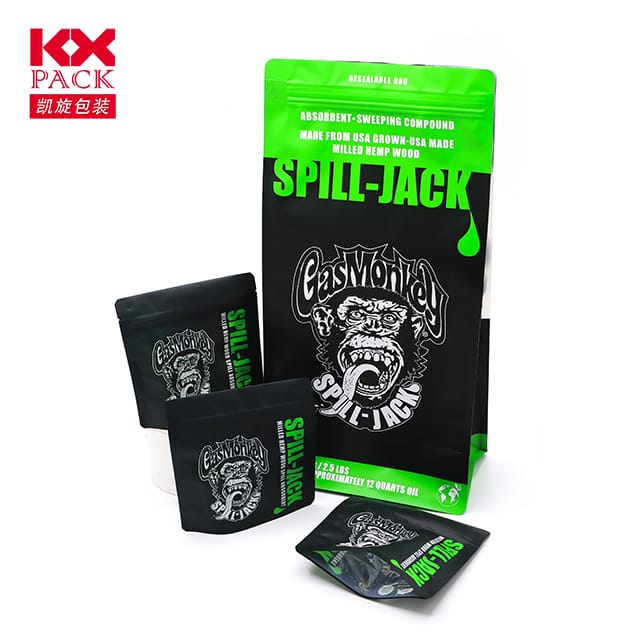
- Soins personnels: Les tubes et pochettes pour lotions ou shampoings utilisent des films imprimés avec une finition douce au toucher pour une sensation luxueuse..
- Logistique: Des films de regroupement robustes stabilisent les palettes de bois de chauffage ou de pièces industrielles, remplacement des méthodes de cerclage traditionnelles.
- Commerce électronique: Les films anti-contrefaçon avec impressions holographiques protègent les marchandises de grande valeur pendant le transport, tandis que les fermetures éclair refermables améliorent la commodité.
5. L'avenir: Circularité et connectivité
En avant, les films d'emballage imprimés s'aligneront de plus en plus sur les principes de l'économie circulaire:
- Recyclabilité dès la conception: Les marques adoptent des structures monomatérielles (Par exemple, sachets All-PE) pour simplifier les filières de recyclage. Des innovations telles que les lignes de déchirure gravées au laser améliorent également la facilité de recyclage.(Film d'emballage imprimé)
- Intégration de la blockchain: Les films imprimés pourraient bientôt comporter des codes basés sur la blockchain qui retracent le parcours d'un produit de l'usine au rayon., lutter contre la fraude et améliorer la transparence.
- Production économe en énergie: Les imprimeries à énergie solaire et les systèmes de contrôle qualité basés sur l'IA réduisent l'empreinte carbone de la fabrication de films.
Conclusion: Une toile pour l'innovation
Film d'emballage imprimé n'est plus un composant statique, c'est une interface dynamique entre les marques et les consommateurs. Comme impression numérique, technologies intelligentes, et les matériaux durables convergent, les possibilités de création, fonctionnel, et les emballages écologiques connaissent une croissance exponentielle. Pour les entreprises qui cherchent à garder une longueur d'avance, investir dans films imprimés ce n'est pas seulement une question d'esthétique; c'est une décision stratégique pour améliorer l'attrait en rayon, efficacité opérationnelle, et l'intendance environnementale.
Prêt à découvrir comment Film d'emballage imprimé peut élever votre marque? Plongez dans les dernières tendances en science des matériaux, technologie d'impression, et une conception circulaire pour ouvrir de nouvelles opportunités dans 2025 et au-delà. 🌍✨