Le guide ultime du film plastique pour l'emballage: Usages, Avantages, et des alternatives écologiques
Film plastique
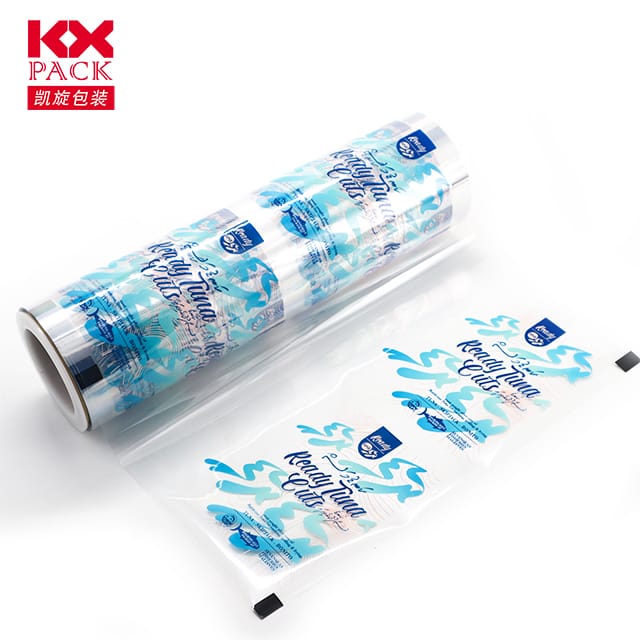
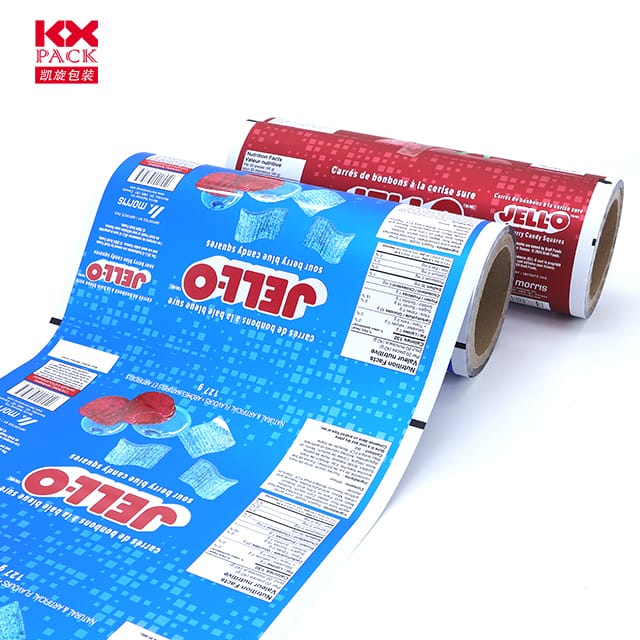
Que vous emballiez les restes, Stockage des articles de saison, ou expédition des marchandises fragiles, platic film for wrapping is a household staple. Connu pour sa flexibilité, transparence, et capacité à créer un sceau étanche à l'air, pellicule plastique (ou film alimentaire) simplifie la préservation des aliments et l'emballage. Cependant, avec des préoccupations environnementales croissantes, Beaucoup repensent son utilisation. Dans ce guide, we’ll explore the practical uses of plastic film, its drawbacks, and sustainable alternatives to help you make informed choices.
What Is Platic Film for Wrapping?
Platic film for wrapping—commonly called cling film, Enveloppe de suggestion, or food wrap—is a thin, stretchable plastic sheet made primarily from polyethylene (PE) ou chlorure de polyvinylidène (PVDC). It’s designed to cling to surfaces, creating a tight seal that protects food from air, humidité, et contaminants.
Common Uses of Platic Film
- Stockage des aliments:
- Envelopper les restes, fruits, légumes, and sandwiches to keep them fresh.
- Cover bowls and dishes to prevent spills and maintain moisture.
- Household Organization:
- Protect furniture during painting or renovations.
- Wrap delicate items like vases or figurines before storing or moving.
- Shipping and Packaging:
- Secure fragile items by wrapping them in plastic film before placing them in boxes.
- Combine with bubble wrap for extra cushioning.
- Beauty and Personal Care:
- Use as a protective layer during hair treatments or DIY skincare routines.
Advantages of Plastic Film
- Abordabilité: Platic film is inexpensive and widely available.
- Commodité: Son extensible, clingy nature makes it easy to use without tape or adhesives.
- Transparence: Allows you to see wrapped items without unwrapping them.
- Hygiène: Creates a barrier against bacteria, poussière, et les nuisibles.
The Environmental Impact of Pastic Film
While plastic film offers undeniable convenience, its environmental footprint is significant:
- Non biodégradable: Most plastic films take hundreds of years to decompose, contribuant aux déchets mis en décharge et à la pollution des océans.
- Domination à usage unique: Many wraps are designed for one-time use, exacerbating plastic waste.
- Microplastic Risk: Une fois en panne, plastic film can release microplastics into ecosystems, harming wildlife and entering the food chain.
Eco-Friendly Alternatives to Plastic Film
- Enveloppes de cire d'abeille:
- Fabriqué à partir de coton enduit de cire d'abeille, these reusable wraps are perfect for covering bowls or wrapping food.
- Biodegradable and compostable after use.
- Couvertures alimentaires en silicone:
- Durable, reusable silicone lids stretch to fit bowls and containers, creating an airtight seal.
- Housses en tissu réutilisables:
- Sew your own or purchase cloth covers with elastic edges for eco-friendly food storage.
- Glass or Plastic Containers:
- Invest in airtight containers for long-term storage instead of disposable wraps.
- Paper or Aluminum Foil (for Specific Uses):
- While not always ideal for moisture retention, unbleached parchment paper or recyclable aluminum foil can work for certain foods.
Tips for Reducing Plastic Film Waste
- Reuse When Possible: Rinse and dry plastic film for multiple uses if it’s still in good condition.
- Recycler correctement: Check local recycling guidelines—some areas accept clean plastic film in designated bins.
- Acheter en gros: Opt for larger rolls to minimize packaging waste.
- Avoid Overuse: Only wrap what’s necessary to reduce plastic consumption.
Réflexions finales
Plastic film for wrapping is undeniably practical, mais son coût environnemental est trop élevé pour être ignoré. By exploring reusable alternatives and adopting mindful usage habits, you can keep your food fresh while reducing plastic pollution. Small changes add up—start by swapping one plastic wrap habit for a sustainable option today!
Pour la pointe: If you must use plastic film, look for brands made from recycled materials or those labeled as biodegradable (though verify certifications to ensure authenticity).
What’s your go-to alternative to plastic film? Partagez vos conseils dans les commentaires ci-dessous!
Let’s wrap smarter, not harder! 🌍✨