L'évolution et les applications des rouleaux de film d'emballage: Une plongée profonde dans les solutions d'emballage modernes
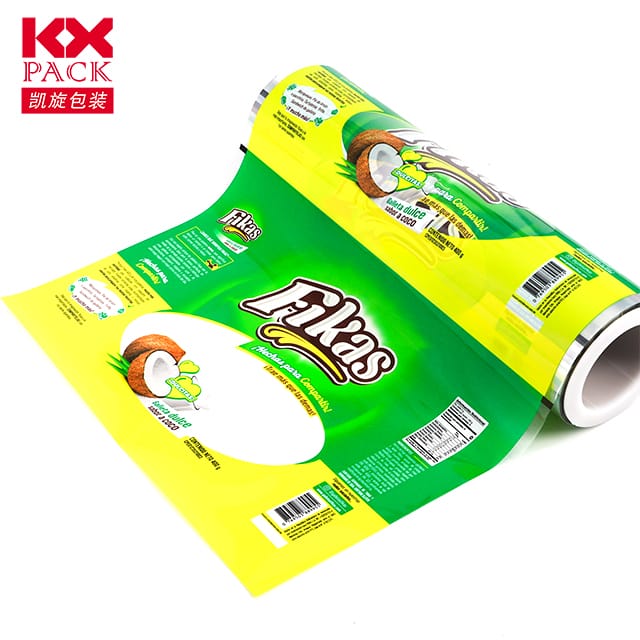
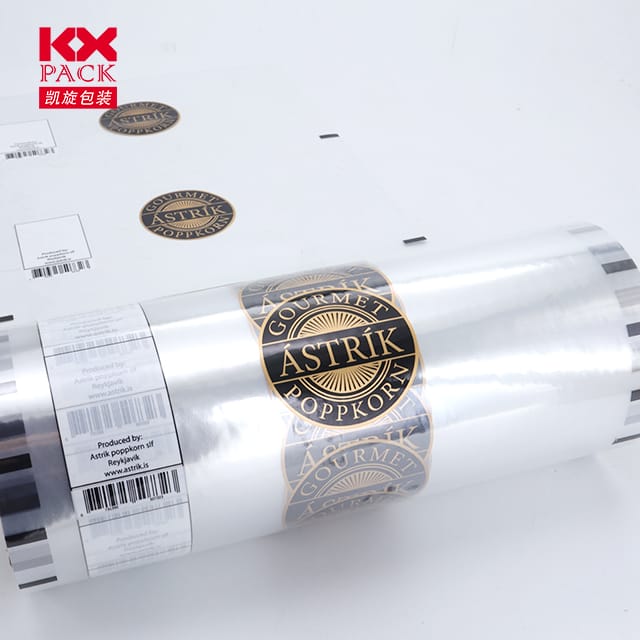
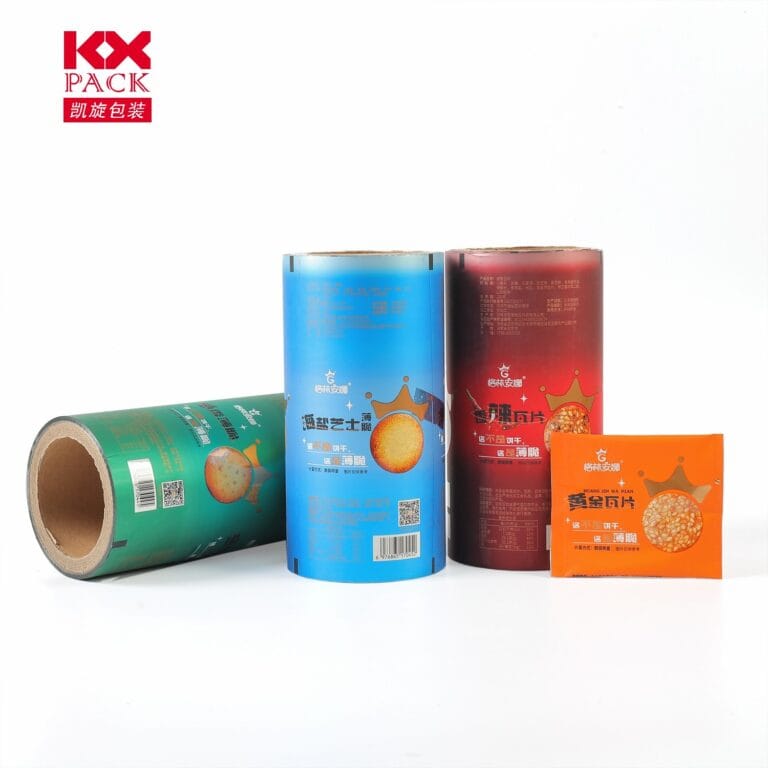
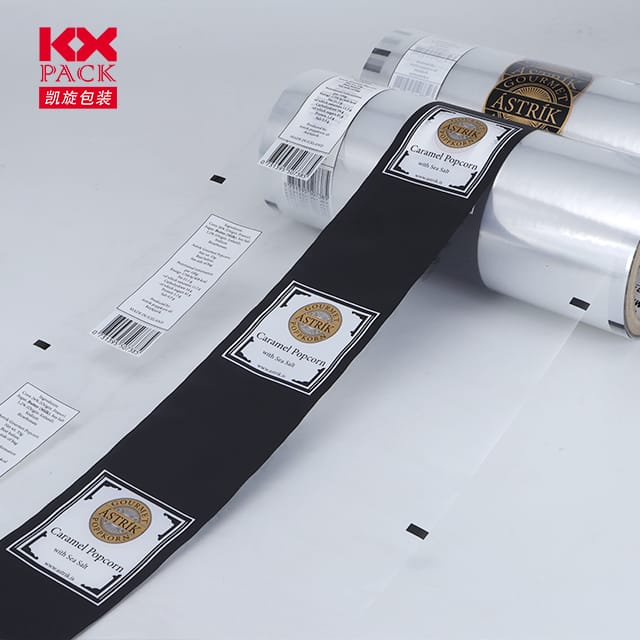
Rolls de film d'emballage
In today’s globalized economy, L'industrie des emballages est une pierre angulaire de l'efficacité de la chaîne d'approvisionnement, sécurité des consommateurs, et différenciation de la marque. Parmi ses composants les plus polyvalents, packing film rolls—continuous rolls of flexible, Films plastiques à haute performance - ont révolutionné comment les produits sont protégés, transporté, et présenté. Ce blog explore leur évolution, Spécifications techniques, et applications de transformation de l'industrie.
1. The Anatomy of Packing Film Rolls: Materials and Technologies
Rolls de film d'emballage are engineered to balance strength, transparence, et l'adaptabilité. Key materials include:
- Bopp (Polypropylène orienté biaxialement): A cornerstone of soft packaging, BOPP films are prized for their high tensile strength, résistance à l'humidité, et imprimabilité. They dominate sectors like food, produits de beauté, and tobacco, with market shares exceeding 20% in regions like China.
- Méfiez-vous (Polyéthylène téréphtalate à orientation biaxiale): Renowned for its durability and heat resistance, BOPET is used in high-barrier packaging for pharmaceuticals, électronique, et produits surgelés. Its optical clarity and recyclability align with sustainability trends.
- RPC (En polypropylène coulé): A non-oriented film offering exceptional heat sealability, CPP is ideal for vacuum packaging and flow wraps, where rapid sealing and puncture resistance are critical.
- Films de spécialité: Des innovations comme biodegradable starch-based films (Par exemple, Plastiroll’s transparent cornstarch derivatives) et silver nanowire-conductive films (used in smart packaging) cater to niche demands for eco-friendliness and IoT integration.
2. Technical Innovations Driving Performance
Moderne Rolls de film d'emballage leverage advanced manufacturing processes to meet stringent industry standards:
- Coextrusion multicouche: Combines different polymers (Par exemple, Bopp + EVA adhesive layers) to create films with tailored properties, such as enhanced gas barrier or UV resistance.
- Intégration des nanotechnologies: Films embedded with silver nanowires enable antistatic or antimicrobial functions, crucial for electronics and medical packaging.
- Sustainability Enhancements: Allègement (reducing film thickness without compromising strength) and recyclable formulations address environmental concerns. Par exemple, some BOPP films now use 30% post-consumer recycled content.
3. Applications spécifiques à l'industrie
The versatility of Rolls de film d'emballage spans diverse sectors:
- Nourriture & Boisson:
- High-barrier BOPP/BOPET laminates extend shelf life for snacks, café, et produits laitiers.
- Thermal shrink films secure irregularly shaped items (Par exemple, wine bottles) into compact units, reducing shipping costs by 50% contre. traditional cartons.
- Médicaments:
- Child-resistant blister packs use multilayer BOPET films with puncture resistance exceeding 10 N/mm².
- Sterile medical device packaging adheres to ISO 11607 normes, with films tested for microbial ingress and thermal stability.
- Commerce électronique:
- Lightweight stretch films (Par exemple, Berry Global’s 12-micron pre-stretched variants) reduce material use by 40% in automated pallet wrapping.
- Tamper-evident security films with holographic printing deter counterfeiting in luxury goods packaging.
- Industriel:
- Heavy-duty stretch hood films (up to 50-micron thickness) secure 2-ton steel coils during ocean freight, withstanding 50% elongation without tearing.
- Corrosion-inhibiting VCI films protect automotive parts during long-term storage.
4. Market Trends Shaping the Future
Le global Rolls de film d'emballage marché, valorisé à $1.14 trillion in 2024, devrait croître à 3.89% CAGR à travers 2029. Les conducteurs clés comprennent:
- Boom du commerce électronique: The sector’s 14.8% CAGR fuels demand for lightweight, puncture-resistant films.
- Sustainability Mandates: Brands like Nestlé and Unilever aim for 100% emballage recyclable par 2025, spurring investments in bio-based films (Par exemple, PLA/PBAT blends).
- Automation & Efficiency: Smart packaging lines integrate AI-driven tension control systems, reducing film waste by 25% in high-speed wrapping.
- Marchés émergents: Latin America (Par exemple, Mexico, Brazil) and Southeast Asia (Par exemple, Indonesia, Viêt Nam) exhibit 10%+ annual growth in film demand, driven by FMCG expansion.
5. Défis et opportunités
Despite advancements, l'industrie fait face à des obstacles:
- Regulatory Fragmentation: Disparate standards (Par exemple, Directive plastique à usage unique de l'UE VS. FDA food-contact rules) complicate global supply chains.
- Circular Economy Gaps: Seulement 14% of plastic packaging is recycled globally; solutions like chemical recycling of polyolefin films are nascent.
- Pressions sur les coûts: Volatilité des matières premières (Par exemple, polyethylene prices fluctuating 30% YoY) squeezes margins for SMEs.
Cependant, these challenges present opportunities for innovation:
- Impression numérique: Short-run, on-demand film printing reduces inventory costs for FMCG brands.
- Matériaux hybrides: Combining paper and film (Par exemple, metallized BOPP laminated to kraft paper) offers recyclability without sacrificing barrier properties.
- Industrie 4.0: IoT-enabled film dispensers monitor usage in real time, optimizing replenishment cycles.
Conclusion: La voie à suivre
Packing film rolls are no longer mere commodities but strategic tools for differentiation. As brands prioritize sustainability, automation, et l'expérience des consommateurs, manufacturers must innovate across materials, processus, and partnerships. The future belongs to those who can deliverhaute performance, low-impact, et adaptable solutions—ensuring that every roll of film not only protects products but also the planet.
Stay tuned for our next deep dive into the rise ofemballage actif (Par exemple, chasseurs d'oxygène, freshness indicators) and its role in the circular economy!
Sources: Made-in-China.com, Plastiroll, Yancheng Kingbull Materials Technology, Packaging Strategies, and industry white papers.