Le guide essentiel de l'emballage du film plastique: Types, Avantages, et des solutions durables
Film plastique d'emballage
From protecting fresh produce to securing industrial goods, Film plastique d'emballage is a cornerstone of modern logistics and retail. Sa polyvalence, rentabilité, et l'adaptabilité le rend indispensable dans toutes les industries, mais avec des préoccupations environnementales croissantes, Comment les entreprises peuvent-elles équilibrer les fonctionnalités avec la durabilité? Explorons le monde des films d'emballage en plastique, Leurs applications, et les innovations respectueuses de l'environnement.
What Is Packaging Plastic Film?
Packaging plastic film refers to thin, flexible sheets made from polymers likepolyéthylène (PE), polypropylène (polypropylène), chlorure de polyvinyle (PVC), ou en polyester (ANIMAUX). These films are engineered to shield products from moisture, poussière, tampering, and physical damage during storage, expédition, and display. Available in rolls, sheets, or pre-formed bags, they come in varying thicknesses (measured in microns) to suit different needs.
Common Types of Packaging Plastic Films
- Polyéthylène (PE) Film
- PEBD (PE basse densité): Soft and stretchy, ideal for food wrap, pallet shrink wrap, et paillis agricole.
- HDPE (PE haute densité): Rigid and tear-resistant, used for grocery bags, trash liners, and industrial liners.
- Polypropylène (polypropylène) Film
- Offers excellent clarity and heat resistance, making it perfect for snack packaging, laminated pouches, et fournitures médicales.
- Chlorure de polyvinyle (PVC) Film
- Durable and transparent, commonly used for blister packaging, papeterie, and construction films.
- Polyester (ANIMAUX) Film
- High-strength and chemical-resistant, favored for flexible packaging, étiquettes, et isolation électrique.
- Films biodégradables
- Fabriqué à partir de polymères végétaux (Par exemple, PLA, Pha), ces films se décomposent naturellement dans des conditions spécifiques, Réduire les déchets plastiques.
Key Applications of Packaging Plastic Film
- Industrie alimentaire
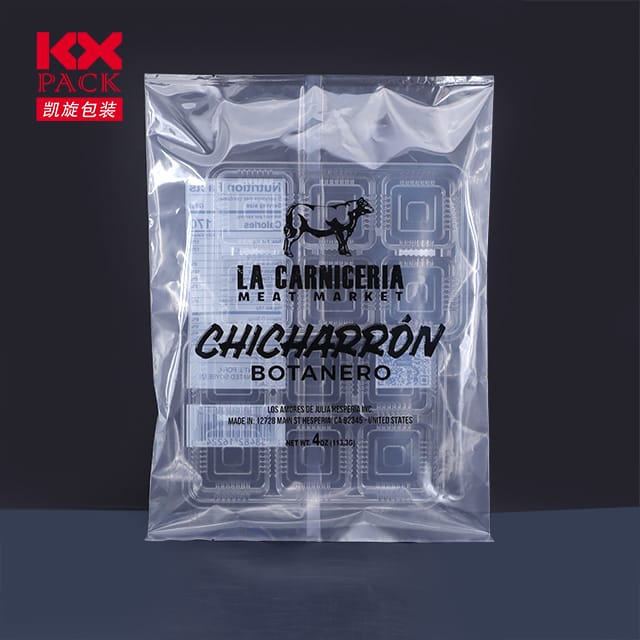
- Produits frais: Stretch films and cling wraps preserve freshness by locking in moisture and preventing contamination.
- Meat and cheese: Vacuum-sealed PE or PP films extend shelf life by removing oxygen.
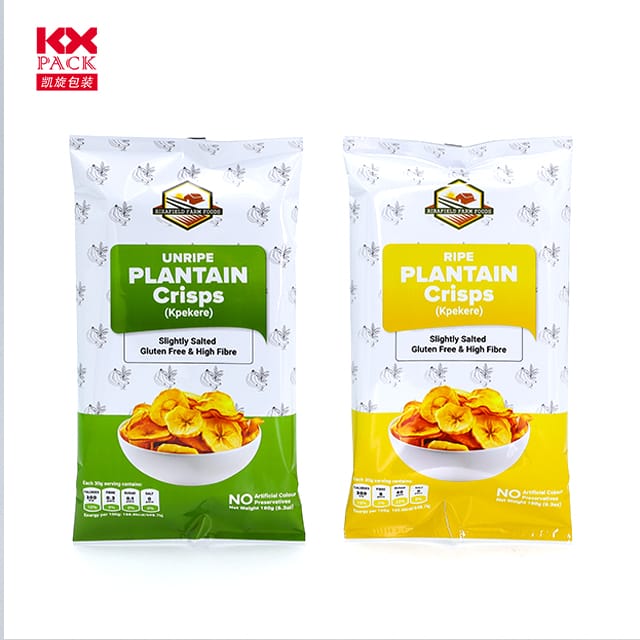
- Collations: Multi-layered laminated films (Par exemple, PET/PP) maintain crispness and prevent flavor loss.
- Vente au détail et commerce électronique
- Emballage de palettes: Stretch films secure boxes on pallets during transit, reducing shifting and damage.
- Product displays: Shrink-wrap films create tamper-evident packaging for electronics, produits de beauté, and toys.
- Industriel et Construction
- Vapor barriers: HDPE films protect buildings from moisture during construction.
- Machine protection: Anti-static PP films shield sensitive equipment from dust and static electricity.
- Agriculture
- Mulching films: Black PE films suppress weeds and retain soil moisture in farms.
- Silage wraps: UV-resistant films preserve livestock feed by preventing spoilage.
Advantages of Plastic Packaging Film
- Rentable: Lightweight and easy to produce, reducing shipping costs and material waste.
- Personnalisable: Available in colors, prints, and textures to enhance branding and product appeal.
- Hygiénique: Impermeable to bacteria and moisture, ensuring food safety and product integrity.
- Efficace: Stretch films can reduce packaging volume by up to 50%, optimizing storage space.
Défis et solutions en matière de durabilité
Si les films plastiques offrent des avantages indéniables, their single-use nature has raised environmental alarms. Here’s how the industry is responding:
- Recycling Initiatives
- Many PE and PP films are recyclable. Businesses can partner with programs like TerraCycle to collect used packaging.
- Downcycling: Recycled films are often repurposed into products like plastic lumber or trash bags.
- Biodegradable and Compostable Alternatives
- Films réalisés à partir de maïzena (PLA) ou canne à sucre (Pha) decompose in industrial composting facilities within 6–12 months.
- Exemple: Eco-Flex® by BASF is a compostable film used for organic food packaging.
- Systèmes réutilisables
- Some companies adopt returnable packaging (Par exemple, reusable silage wraps or pallet covers) pour minimiser les déchets.
- Films plus fins
- Advances in nanotechnologie allow manufacturers to create ultra-thin films (Par exemple, 5-micron PE) without sacrificing strength, réduire l'utilisation du plastique jusqu'à 30%.
How to Choose the Right Packaging Film
- Product Requirements:
- Perishable goods? Opt for oxygen-barrier films (Par exemple, EVOH-coated PET).
- Heavy items? Choose high-tensile HDPE or reinforced PP films.
- Impact environnemental:
- Prioritize recyclable or biodegradable options if sustainability is a priority.
- Contraintes de coûts:
- Balance upfront costs with long-term savings (Par exemple, reduced damage during shipping).
The Future of Packaging Plastic Film
Des innovations commeedible packaging (Fabriqué à partir d'algues ou d'amidon) etsmart films (with embedded sensors to monitor freshness) are on the horizon. Entre-temps, stricter regulations (Par exemple, Directive plastique à usage unique de l'UE) are pushing industries to adopt circular economy models.
Réflexions finales
Packaging plastic film remains a vital tool for protecting products and reducing waste—but its future hinges on sustainable practices. By opting for recyclable materials, supporting biodegradable alternatives, and optimizing design, businesses can minimize their ecological footprint without compromising performance.
Prêt à améliorer votre emballage? Partagez vos réflexions ou questions dans les commentaires ci-dessous! 🌍📦
Mots clés: Film plastique d'emballage, emballage durable, biodegradable film, film de polyéthylène, plastic recycling.