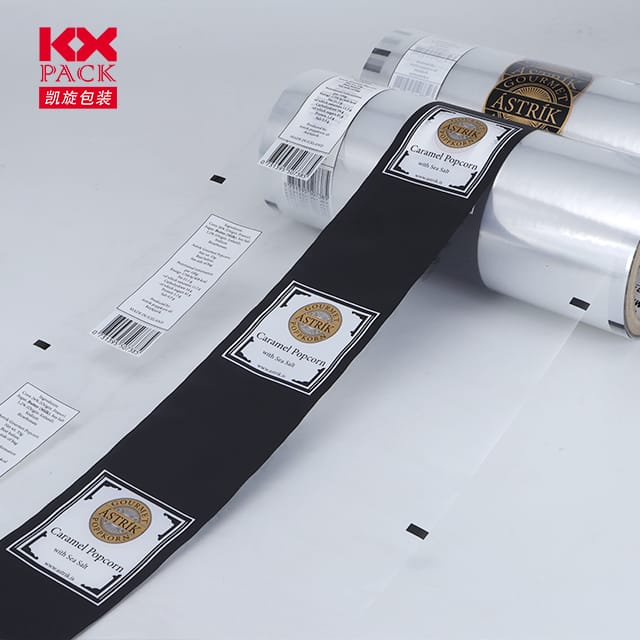
Film d'emballage alimentaire et films d'emballage alimentaire: Le guide ultime de la fraîcheur, Sécurité, et durabilité
Quand il s'agit de préserver la saveur, texture, et la valeur nutritionnelle de vos plats préférés, the unsung heroes of our kitchens and supply chains are film enveloppement et film d'emballage alimentaire. Que vous soyez un cuisinier amateur essayant d’empêcher les lasagnes de la veille de se dessécher, or a commercial food manufacturer shipping delicate produce across the country, choosing the right material is paramount.
But let’s be honest: the world of flexible packaging can be incredibly confusing. With terms like PVC, PE, Propriétés de la barrière, and biodegradability thrown around, how do you know what actually works?
In this comprehensive guide, we will unpack everything you need to know about film enveloppement solutions, explore the latest innovations in film d'emballage alimentaire, and help you make informed, eco-conscious choices.
Why Food Wrap Film is a Kitchen Essential
We have all been there—staring at a half-eaten avocado, wondering how to stop it from turning into a brown, unappetizing mush. This is where a high-quality film enveloppement steps in.
À la base, cling wrap is engineered to do two things exceptionally well: adhere to surfaces and block oxygen.
The Science of the Stretch
Historically, chlorure de polyvinyle (PVC) was the go-to material for household cling wrap due to its incredible stretch and superior stickiness. Cependant, as health and environmental concerns evolved, the industry shifted significantly toward Polyethylene (PE).
Modern PE film enveloppement offers a non-toxic, BPA-free alternative that safely locks in moisture without leaching harmful chemicals into your food. It creates a tight, micro-environment that drastically slows down the oxidation process, keeping your fruits, légumes, and proteins fresh for days longer.
Elevating the Game: Commercial Food Packaging Films
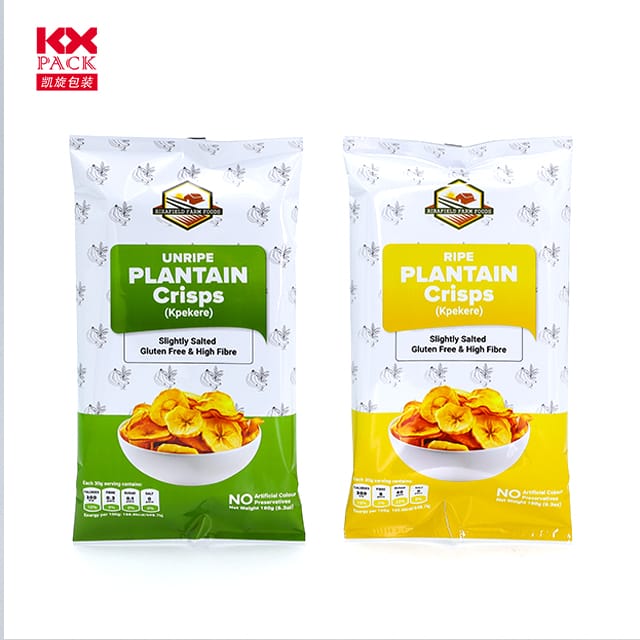
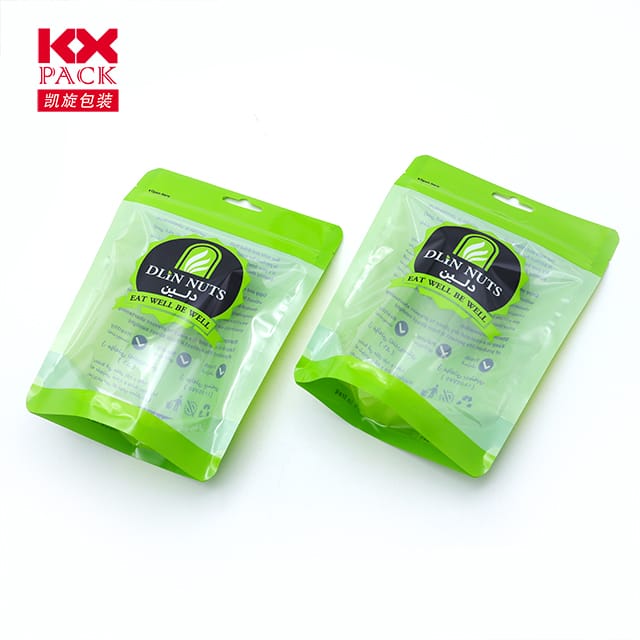
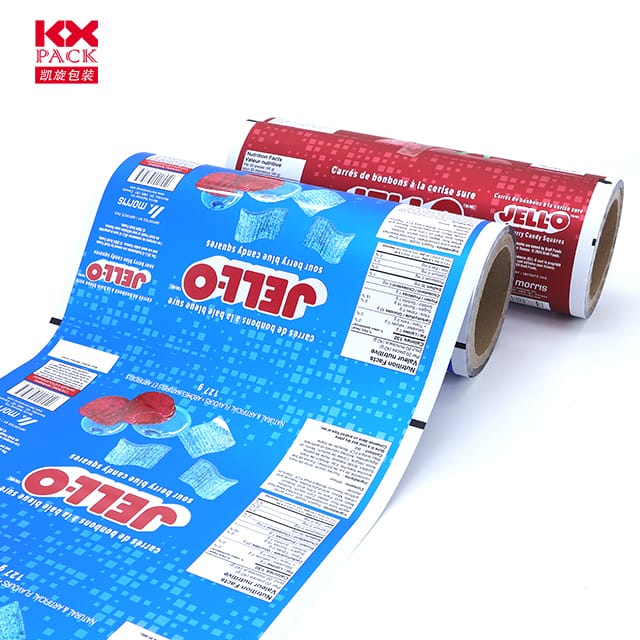
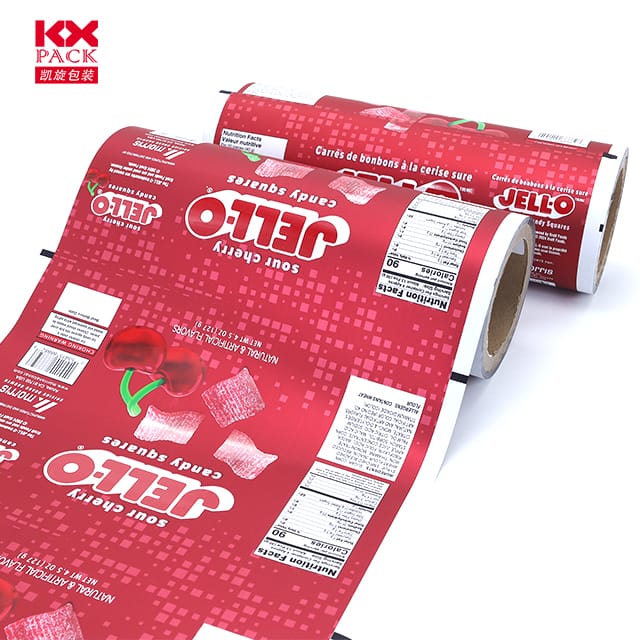
While standard cling wrap is perfect for short-term preservation on a domestic scale, the global food industry demands something far more robust. Enter industrial film d'emballage alimentaire. These are not your average grocery store wraps; they are highly engineered, multi-layered technological marvels designed to extend shelf life from days to months.
1. Emballage d'atmosphère modifiée (CARTE)
Have you ever wondered how bagged salad greens stay perfectly crisp for weeks? The secret lies in specialized film d'emballage alimentaire used in MAP. These films are engineered with specific gas permeability rates. They allow a precise balance of oxygen, carbon dioxide, and nitrogen to exist inside the package, effectively putting the food’s aging process “to sleep.”
2. Films à barrière
For meats, fromages, and processed foods, moisture and oxygen are public enemy number one. Avancé film d'emballage alimentaire utilize multiple layers—often combining nylon, ÉVOH, and polyethylene—to create an impenetrable barrier. This prevents freezer burn, locks in aroma, and eliminates the risk of cross-contamination during transit.

The Green Revolution: Eco-Friendly Packaging Solutions
Let’s address the elephant in the room: déchets plastiques. The traditional reliance on single-use plastic film enveloppement has undoubtedly contributed to environmental strain. Heureusement, the packaging industry is undergoing a massive green transformation.
Consumers today are demanding sustainability, and manufacturers are stepping up to the plate with groundbreaking innovations:
- PLA (Acide polylactique) Films: Derived from renewable resources like corn starch or sugarcane, these films are fully compostable under industrial conditions.
- Cellulose-Based Wraps: Made from wood pulp, these provide excellent clarity and barrier properties while being naturally biodegradable.
- Monomatériaux recyclables: Traditionnellement, multi-layer films were impossible to recycle because the layers couldn’t be separated. New engineering allows for multi-layer film d'emballage alimentaire made entirely from the same polymer family (like all-polyethylene), faire d'eux 100% recyclable.
Choosing eco-friendly alternatives doesn’t mean sacrificing performance anymore. The latest bio-based films offer the same cling, clarté, and strength as their petroleum-based ancestors.
How to Choose the Right Film for Your Needs
With so many options available on the market, selecting the appropriate material can feel overwhelming. Here is a quick breakdown to guide your decision:
| Application | Recommended Material | Key Benefit |
| Daily Leftovers & Domestic Use | Polyéthylène (PE) film enveloppement | Sûr, chemical-free, facile à utiliser |
| Fresh Meat & Volaille (Commercial) | PVC or High-Barrier Co-extruded Film | Excellent oxygen transmission control, premium clarity |
| Aliments surgelés | Feuilleté film d'emballage alimentaire (PET/PE) | Haute résistance à la perforation, prevents freezer burn |
| Eco-Conscious Brands | Compostable PLA or Monomaterial PE | Reduces carbon footprint, appeals to green consumers |
Best Practices for Safe Food Storage
To get the absolute most out of your film enveloppement, keep these practical tips in mind:
- Évitez les températures élevées: Unless a film is explicitly labeled as “microwave safe,” avoid letting it touch greasy or high-sugar foods during heating, as the intense heat can cause the film to melt.
- Ensure a Tight Seal: When wrapping containers, ensure the edges are dry. A dry rim allows the film enveloppement to form a proper airtight bond.
- Store Correctly: Keep your unused film rolls in a cool, dry place away from direct sunlight to preserve their adhesive qualities.
Réflexions finales: L'avenir de la préservation des aliments
L'évolution de film enveloppement and commercial film d'emballage alimentaire proves that we don’t have to choose between food safety and environmental responsibility. As technology marches forward, we can look forward to even smarter packaging—films that change color when food is spoiling, or edible wraps made from seaweed proteins.
By understanding the materials we use to protect our food, we can reduce food waste, save money, and make choices that treat our planet with respect.
What are your thoughts on the future of sustainable packaging? Have you made the switch to compostable wraps yet? Faites-le nous savoir dans les commentaires ci-dessous!