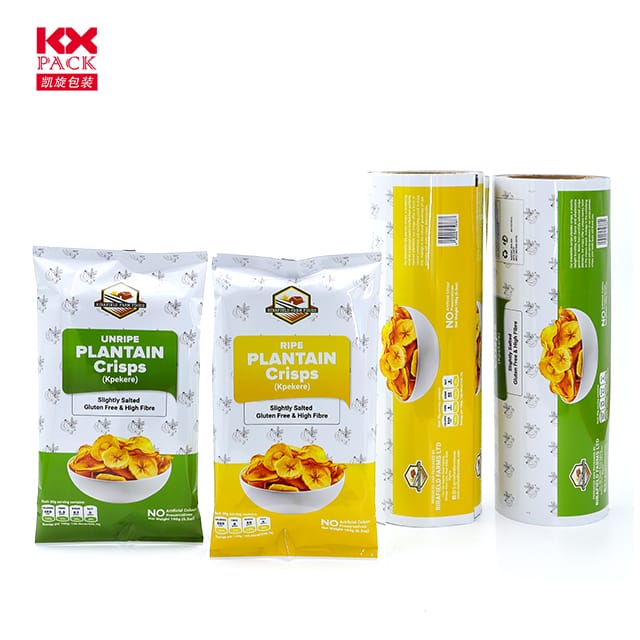
Emballages de films à flux pour bonbons: Révolutionner les friandises sucrées avec l'innovation et l'efficacité
Emballage sous film fluide
From vibrant gummy bears to decadent chocolate bars, Les emballages de bonbons jouent un rôle central dans l'attraction de consommateurs, préserver la fraîcheur, et assurer la sécurité des produits. Entreremballage sous film fluide—a cutting-edge technology transforming the confectionery industry with its speed, flexibilité, et durabilité. Explorons comment cette méthode est de remodeler l'emballage de bonbons, from small-batch artisans to global giants.
What is Flow Film Packaging?
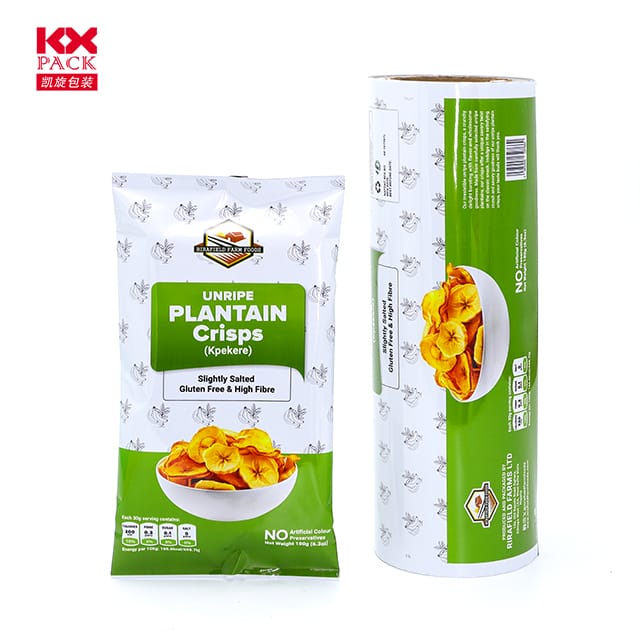
Flow film packaging, également connu sous le nomformage-remplissage-scellement horizontal (HFFS) ouflow wrapping, is a high-speed, automated process that wraps candies in a continuous film of flexible material (généralement en plastique, films biodégradables, or recyclable composites). The process involves:
- Formation: A flat film is shaped into a tube around the candy.
- Remplissage: The product is placed inside the tube.
- Scellage: The ends are heat-sealed to create an airtight, tamper-evident package.
This method is ideal forindividual candies, small packs, or multi-piece assortments, offering a sleek, professional finish that stands out on shelves.
Why Flow Film Packaging is Perfect for Candy
1. Speed and Efficiency
Flow wrappers can packagejusqu'à 1,200 candies per minute, making them ideal for high-volume production. This automation reduces labor costs and minimizes human contact, ensuring hygiene—a critical factor for food products.
2. Polyvalence dans la conception
The technology accommodates diverse candy shapes and sizes, from irregularly shaped gummies to uniformly cut chocolates. Brands can customize packaging with:
- Vibrant prints: High-resolution graphics showcase branding and nutritional info.
- Resealable features: Zippers or tear notches enhance convenience for consumers.
- Fenêtres transparentes: Let customers see the product inside, boosting appeal.
3. Protection supérieure du produit
Flow film packaging creates ahermetic seal, shielding candies from moisture, oxygène, et contaminants. This extends shelf life and maintains flavor integrity—key for perishable items like chocolate-covered treats.
4. Avantages de durabilité
With growing demand for eco-friendly solutions, manufacturers are adopting:
- Recyclable films: Polypropylène (polypropylène) ou en polyéthylène (PE) blends that can be recycled.
- Options biodégradables: Plant-based materials like PLA (acide polylactique) derived from cornstarch.
- Réduction des déchets de matériaux: Precise cutting minimizes excess film usage compared to traditional methods.
Applications Across the Candy Industry
Flow film packaging is used for:
- Single-serve candies: Mini chocolate bars, fruit chews, or mints.
- Bulk assortments: Multi-packs of gummies, hard candies, or licorice.
- Seasonal treats: Halloween, Christmas, or Valentine’s Day specials with festive designs.
- Premium brands: Luxury chocolates or artisanal confections requiring elegant, emballage inviolable.
Tendances et croissance du marché
Le globalcandy packaging market devrait atteindre$22.4 milliards par 2032, Grandir à un4.5% TCAC. Flow film packaging is driving this expansion due to:
- Hausse des ventes du commerce électronique: Durable, lightweight packaging survives shipping better than traditional boxes.
- Health-conscious consumers: Demand for portion-controlled, individually wrapped candies.
- Sustainability mandates: Regulations pushing brands to adopt recyclable or compostable materials.
Regional Insights
- Asie-Pacifique: Dominates production, with countries like China and India leading in cost-effective packaging solutions.
- Amérique du Nord & Europe: High demand for premium, sustainable packaging for gourmet chocolates and organic candies.
- Latin America & Afrique: Growing middle-class populations fuel demand for affordable, hygienic packaged sweets.
Défis et innovations
Défis
- Coûts du matériel: Biodegradable films remain pricier than conventional plastics.
- Equipment investment: Upgrading to flow wrappers requires significant capital.
- Consumer perception: Some shoppers still associate plastic packaging with waste, despite sustainability efforts.
Innovations à surveiller
- Emballage intelligent: QR codes or NFC tags embedded in films for interactive branding or freshness tracking.
- Films comestibles: Researchers are developing starch-based wrappers that consumers can eat with the candy!
- AI-powered quality control: Les caméras et les capteurs détectent les défauts en temps réel, réduire les déchets.
Conclusion: The Sweet Future of Flow Film Packaging
Flow film packaging is more than a trend—it’s a game-changer for the candy industry. En combinant la vitesse, personnalisation, et durabilité, it helps brands meet evolving consumer demands while reducing environmental impact. Whether you’re a local confectioner or a global player, adopting flow film technology could be the key to staying competitive in a rapidly changing market.
Ready to wrap your candies in innovation? From enhancing shelf appeal to extending freshness, flow film packaging offers a sweet solution for the modern era.
Références: Recherche sur Grand View, Mordor Intelligence, and industry reports on candy packaging trends (2024–2025).