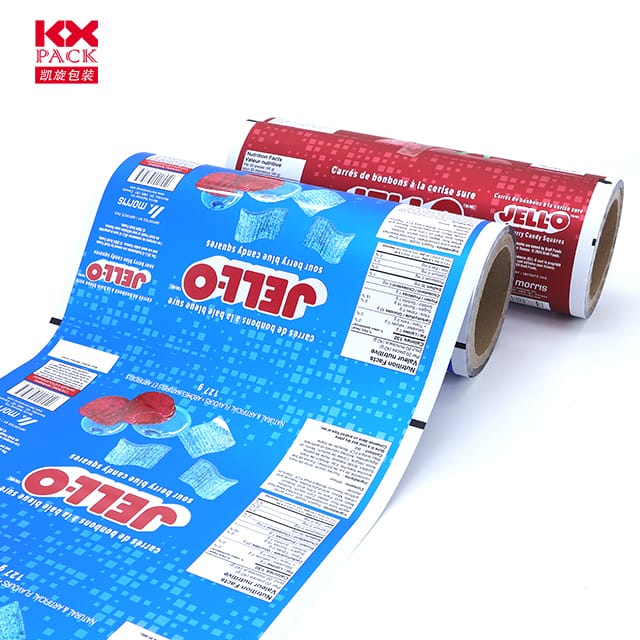
La magie du laminage de films: Préserver les souvenirs et améliorer la créativité
Stratification de films
In the realm of preservation, protection, et la créativité, le laminage du film s'impose comme un processus polyvalent et indispensable. Que vous soyez scrapbooking, un photographe, un artiste, ou simplement quelqu'un qui chérit les souvenirs, comprendre les merveilles du laminage de films peut élever vos projets et sauvegarder vos trésors. Let’s delve into the intricacies and benefits of this remarkable technique.
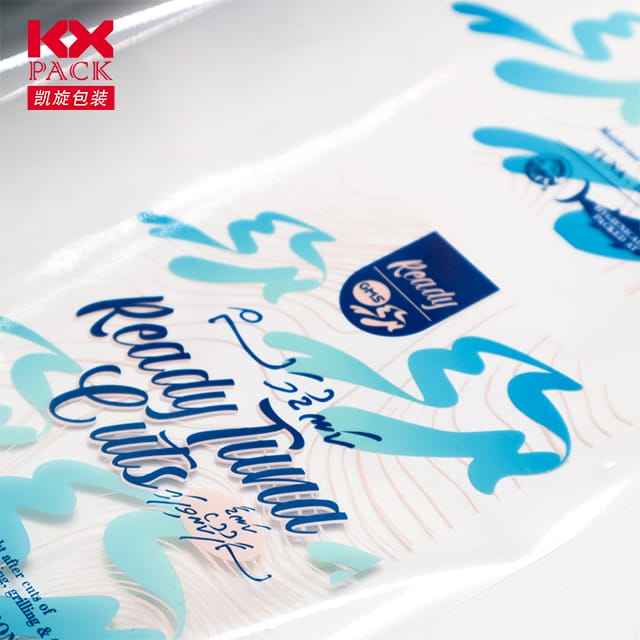
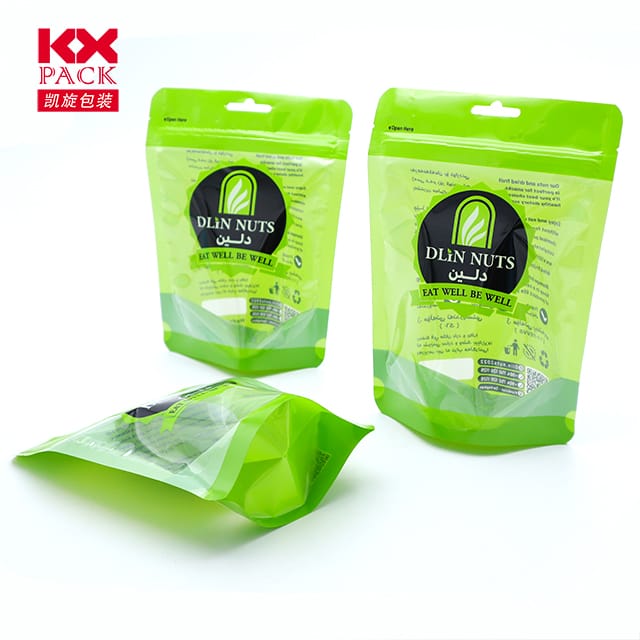
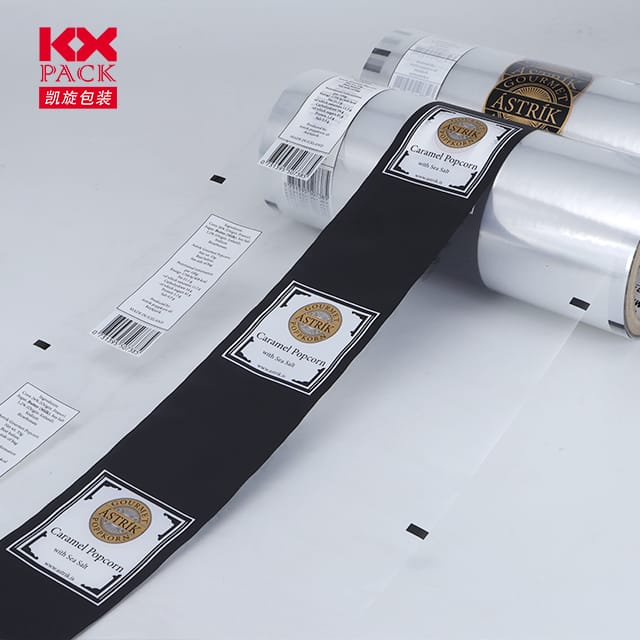
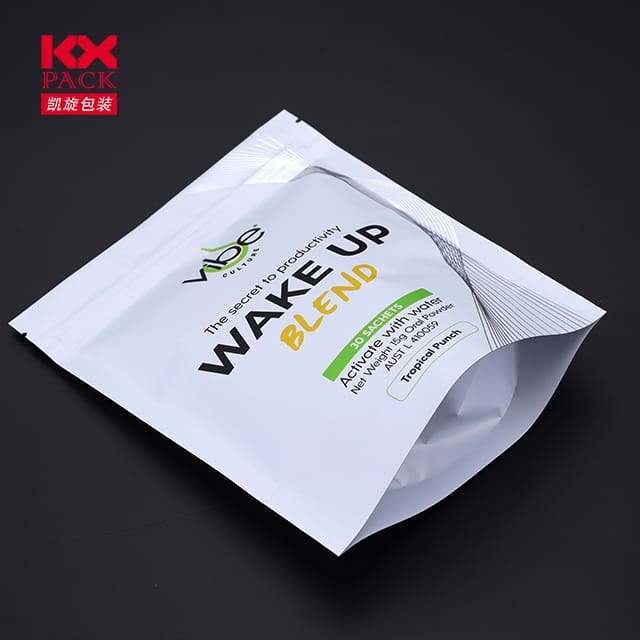
Stratification de films is the process of applying a thin layer of plastic film to a document, photograph, oeuvre d'art, or any other material to protect it from wear and tear, humidité, et d'autres facteurs environnementaux. This protective layer can be either glossy or matte, depending on the desired finish and the nature of the item being laminated. The process typically involves using a laminating machine, which applies heat and pressure to bond the film securely to the item.
Why Use Film Lamination?
- Préservation: One of the primary benefits of Stratification de films is its ability to preserve items over time. Whether it’s a child’s artwork, a cherished family photo, or important documents, lamination protects against fading, yellowing, and damage from handling or exposure to elements like water and dust.
- Durabilité: Laminated items are significantly more durable. They can withstand frequent handling, déverse, and even minor scratches, making them ideal for high-use applications such as signage, menus, and ID cards.
- Professional Finish: The smooth, polished look of laminated materials adds a touch of professionalism. Whether you’re creating presentation materials for work or personal projects like scrapbooks, the glossy or matte finish can enhance the overall appearance and perceived quality.
- Versatilité: Film lamination isn’t limited to paper. It can be applied to a variety of surfaces, including fabrics, plastics, and even wooden objects, making it a versatile tool for a wide range of creative projects.
Types of Film Lamination
- Cold Lamination: This method uses pressure-sensitive adhesive films that don’t require heat to bond. It’s often used for delicate materials that couldn’t withstand the heat of thermal lamination.
- Thermal Lamination: This is the most common type, where heat and pressure from a laminating machine activate the adhesive in the film, creating a strong, durable bond.
- Mounting Films: These are used to adhere items to a rigid substrate like foam board or acrylic, providing additional support and enhancing display options.
Tips for Successful Film Lamination
- Choisissez le bon film: Select the appropriate film thickness and finish based on your project’s needs. Thicker films offer more protection but may add bulk.
- Prepare Your Item: Ensure your item is clean, sec, and free of any debris that could cause bubbles or imperfections in the lamination.
- Use a Quality Laminator: Investing in a good-quality laminator can make a significant difference in the final outcome, ensuring even heat distribution and pressure for a flawless finish.
In Conclusion
Film lamination is a powerful tool that combines practicality with creativity. It not only protects and preserves cherished items but also elevates them to a new level of professionalism and durability. Que vous soyez amateur ou professionnel, exploring the world of film lamination can open up endless possibilities for enhancing your projects and safeguarding your memories. Donc, Pourquoi attendre? Dive into the magic of film lamination and let your creativity shine!