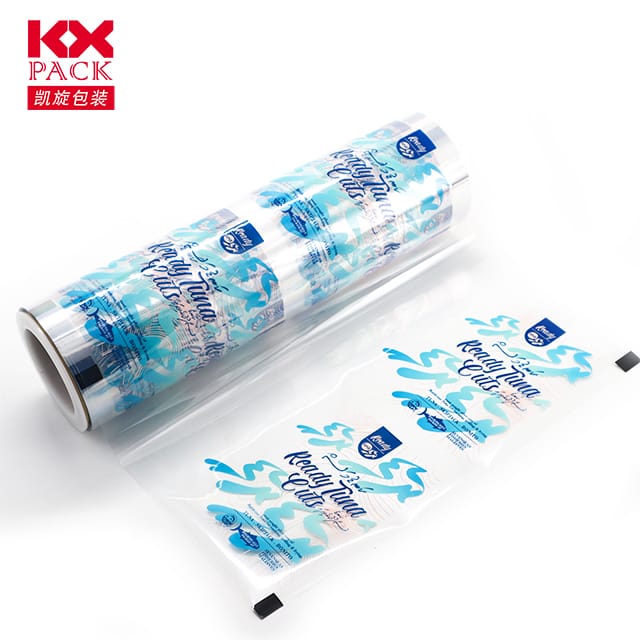
Muovikalvojen kaksiteräinen miekka elintarvikepakkauksissa: Mukavuus. Kestävyys
Muovikalvot
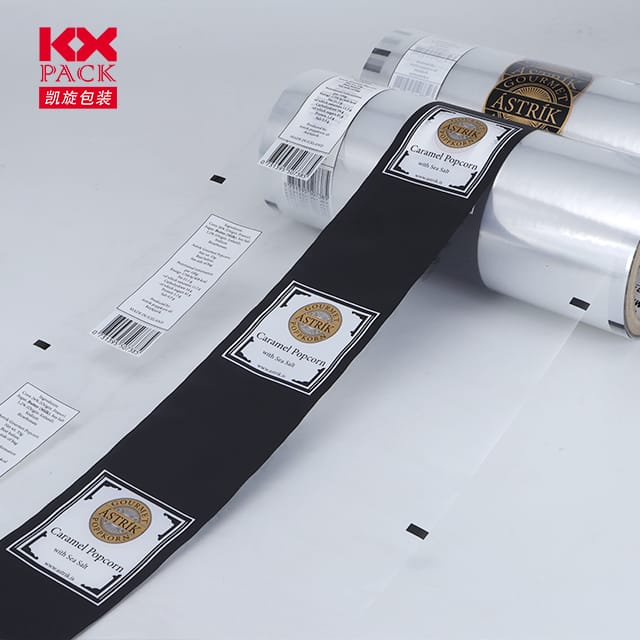
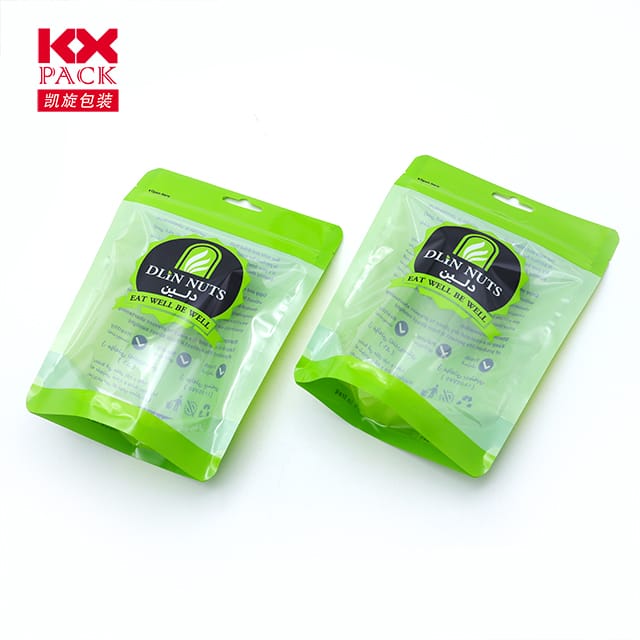
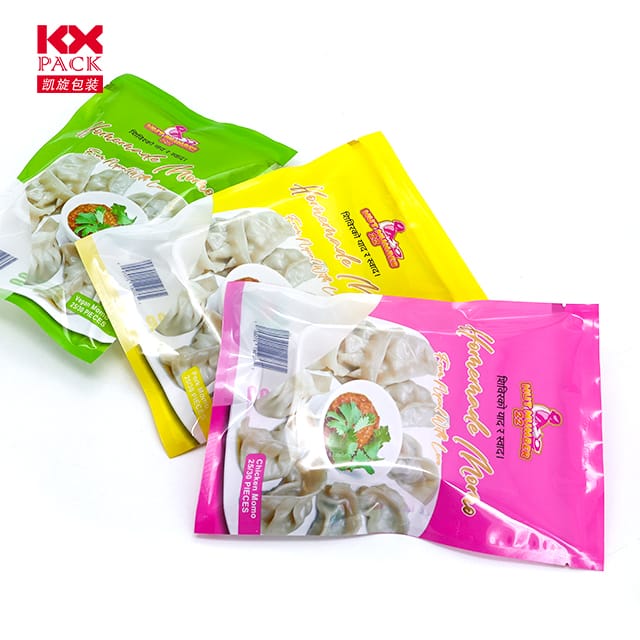
Supermarketeissa ympäri maailmaa, muovikalvot käärivät kaiken tuoretuotteista esikeitettyihin aterioihin, varmistaa tuoreuden ja pidentää säilyvyyttä. Vielä, Ympäristöhuoli, nämä läpinäkyvät, monipuoliset materiaalit ovat tarkastelun kohteena. Tutkitaan muovikalvojen roolia elintarvikepakkauksissa, niiden etuja, haittoja, ja vihreämpää tulevaisuutta muovaavat innovaatiot.
1. Miksi muovikalvot hallitsevat elintarvikepakkauksia?
Muovikalvot - ohuet polymeerikerrokset, kutenpolyeteeni (PE), polypropeeni (PP), ja polyvinyylikloridi (PVC)– ovat kaikkialla hyvästä syystä:
- Säilytysvoima: Ne toimivat esteinä happea vastaan, kosteutta, ja epäpuhtaudet, hidastaa pilaantumista. Esimerkiksi, modifioidun ilmakehän pakkaus (KARTTA) käyttää muovikalvoja kaasutason säätelemiseen, pitää mansikat tuoreina viikkoja.
- Kustannustehokkuus: Muovikalvojen valmistaminen on halvempaa kuin vaihtoehdot, kuten lasi tai metalli, joten ne ovat ihanteellisia massamarkkinoille.
- Kevyt ja joustava: Niiden muokattavuus mahdollistaa mukautetut muodot välipaloille, lihat, ja juustoja, vähentää materiaalihukkaa verrattuna jäykkään pakkaukseen.
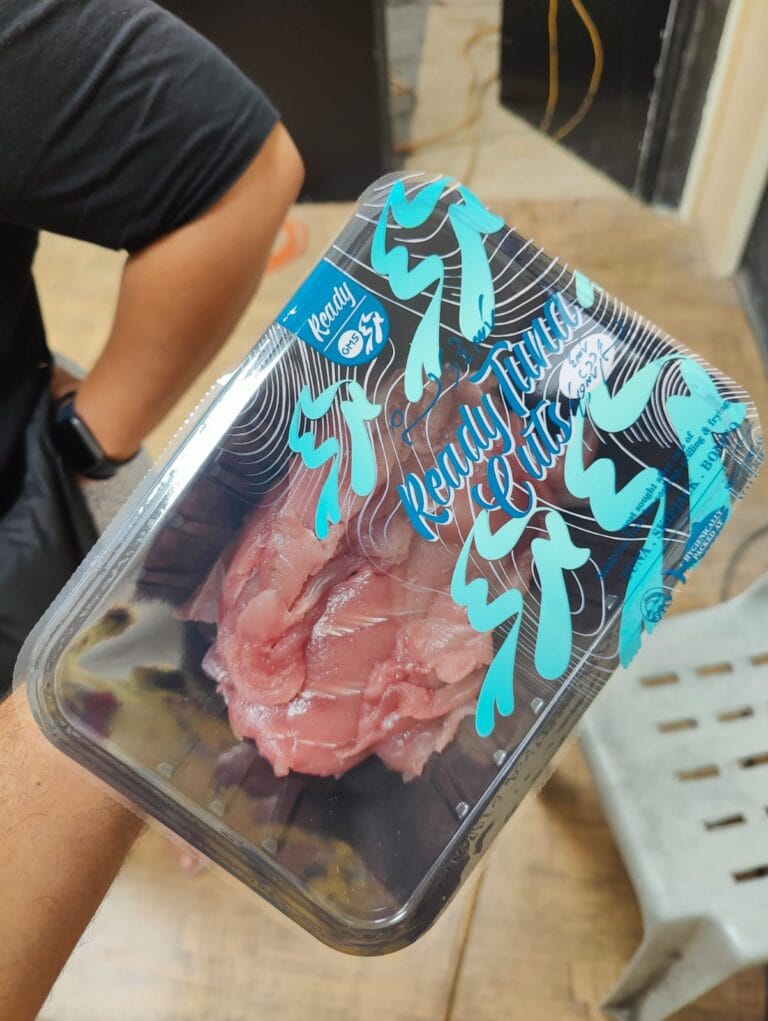
- Läpinäkyvyys: Kirkkaiden kalvojen avulla kuluttajat voivat tarkastaa tuotteet avaamatta niitä, lisätä luottamusta ja vähentää vaurioituneiden tavaroiden aiheuttamaa ruokahävikkiä.
2. Ympäristömaksu: Kriisi tekemisissä
Eduistaan huolimatta, muovikalvot lisäävät merkittävästi maailmanlaajuista saastumista:
- Kertakäyttöinen Dominanssi: Yli 80% muovikalvoista käytetään kerran ja hävitetään, päätyy kaatopaikoille tai valtameriin. A 2022 Tutkimuksessa havaittiin, että muovipakkausten osuus 46% maailmanlaajuisesta muovijätteestä, elokuvat ovat suuri syyllinen.
- Kierrätyksen haasteet: Suurin osa elokuvista on ei kierrätettävissä saastumisen vuoksi (ESIM., ruokajäämiä) tai sekamateriaaleja (ESIM., PE yhdistettynä liimoihin). Vain 4% muovikalvoista kierrätetään Yhdysvalloissa., EPA:n mukaan.
- Mikromuovin uhka: Hajonneet kalvot hajoavat mikromuoveiksi, soluttautuvat ekosysteemeihin ja jopa ihmiskehoihin. Tutkimusten mukaan keskivertoihminen syö 5 grammaa mikromuovia viikossa- vastaa luottokorttia.
3. Innovaatiot, jotka määrittelevät muovikalvot uudelleen
Toimiala on kääntymässä kohti kestävää kehitystä näiden läpimurtojen kautta:
- Biohajoavat vaihtoehdot:
- Polylmaitohappo (PLA): Johdettu maissitärkkelyksestä, PLA-kalvot hajoavat teollisissa kompostoreissa 90 päivää. Merkit pitävät NatureWorks käyttävät PLA:ta tuoreissa salaateissa ja voileipissä.
- Selluloosapohjaiset kalvot: Valmistettu kasvikuiduista, nämä kalvot ovat syötäviä ja kotikompostoitavia. Yritykset pitävät TYYPPI tarjoavat kompostoitavia kääreitä granolapatukoihin ja kahvipaloihin.
- Kehittyneet kierrätystekniikat:
- Kemiallinen kierrätys: Prosessit kuten pyrolyysi hajottaa sekamuoveja uusien kalvojen raaka-aineiksi. Nestlé ja Danone investoivat tähän tekniikkaan kierrättääkseen joustopakkauksia.
- Entsymaattinen hajoaminen: Startupit kuten Carbios käyttää entsyymejä PET-kalvojen depolymeroimiseen uudelleenkäytettäviksi monomeereiksi, silmukan sulkeminen.
- Älykkäät kalvot pidentämään säilyvyyttä:
- Aktiivinen pakkaus: Filmit täynnä hapensieppaajat tai antimikrobisia aineita (ESIM., hopean nanohiukkasia) voi kaksinkertaistaa helposti pilaantuvien tuotteiden, kuten lihan ja juuston, käyttöiän.
- Syötävät pinnoitteet: Ohuet kerrokset kitosaani (äyriäisistä) tai mehiläisvaha luoda hengittäviä esteitä, vähentää synteettisten muovien käyttöä.
4. Tie edessä: Käytännön ja planeetan tasapaino
Vaikka innovaatiot ovat lupaavia, tarvitaan systeemisiä muutoksia:
- Policy Push: Hallitusten on valvottava laajennettu tuottajavastuu (EPR) lait, vaatii brändejä rahoittamaan kierrätysinfrastruktuuria. EU:n Kertakäyttöisten muovien direktiivi kieltää kompostoimattomat kalvot 2030.
- Kuluttajakäyttäytymisen muutokset: Ostajien kouluttaminen valitsemaan uudelleenkäytettäviä säiliöitä tai massaostoja voi vähentää kalvon käyttöä. Nollajätekaupat, joiden avulla asiakkaat voivat täyttää omat purkit, saavat vetoa.
- Teollisuuden yhteistyö: Aloitteet, kuten Uusi muovitalouden globaali sitoumus yhdistää 500+ yrityksiä poistamaan ongelmalliset muovit ja lisäämään kierrätyssisältöä kalvoissa.
Johtopäätös: Elintarvikepakkausten "kääreen" uudelleenarviointi
Muovikalvot ovat osoitus ihmisen kekseliäisyydestä – ne suojaavat ruokaa, jätteiden vähentäminen, ja mahdollistaa maailmanlaajuisen elintarvikekaupan. Vielä, niiden ympäristökustannukset vaativat kiireellisiä toimia. Hyväksymällä biohajoavia materiaaleja, investoimalla kierrätystekniikkaan, ja järjestelmien uudelleensuunnittelu kiertokulkua varten, voimme säästää sekä mukavuuden että planeetan.
Kun seuraavan kerran avaat välipalan, kysy itseltäsi: Voisiko tämä elokuva olla osa ratkaisua, ei ongelma? Jaa kommenteissa kestävän pakkausmateriaalin hakkeri! 🌍🍴