Lopullinen opas joustavien elintarvikepakkauskalvojen pakkaamiseen: Trendit, Materiaalit, ja kestävyys
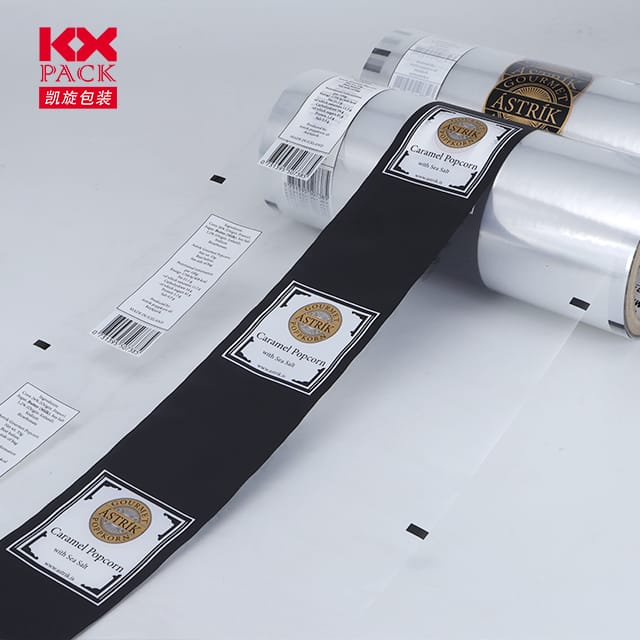
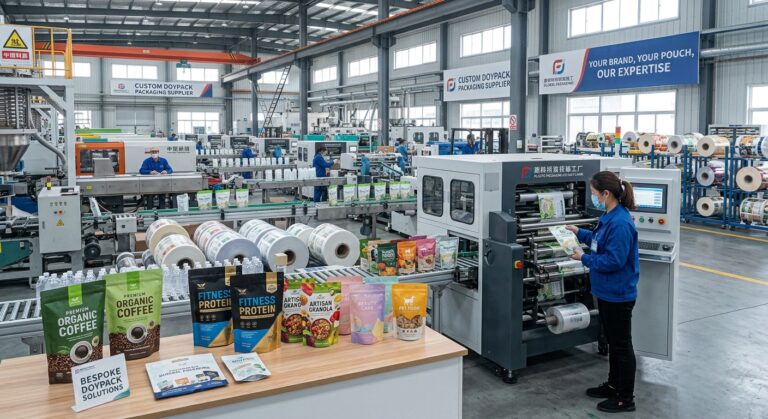
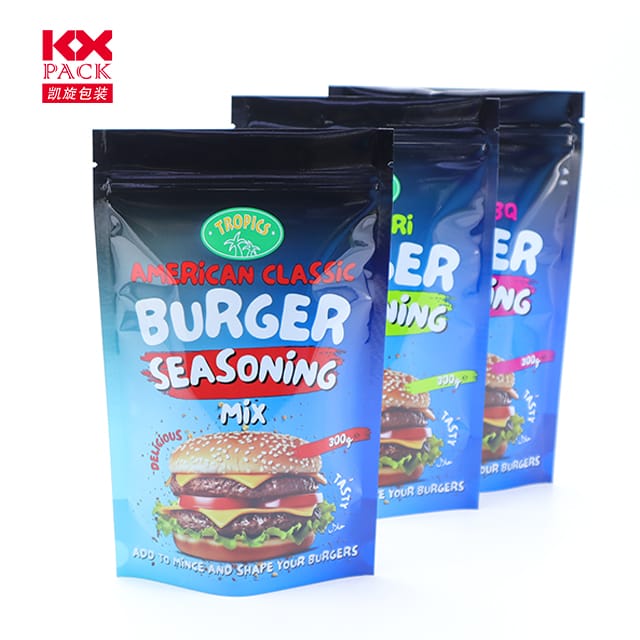
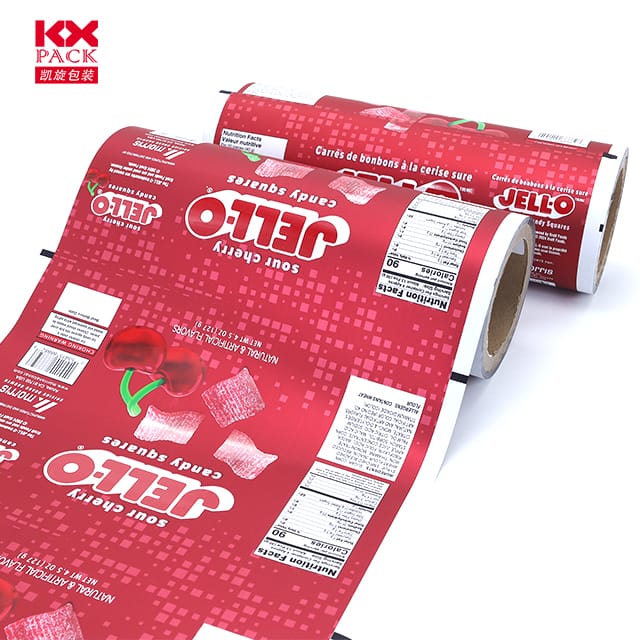
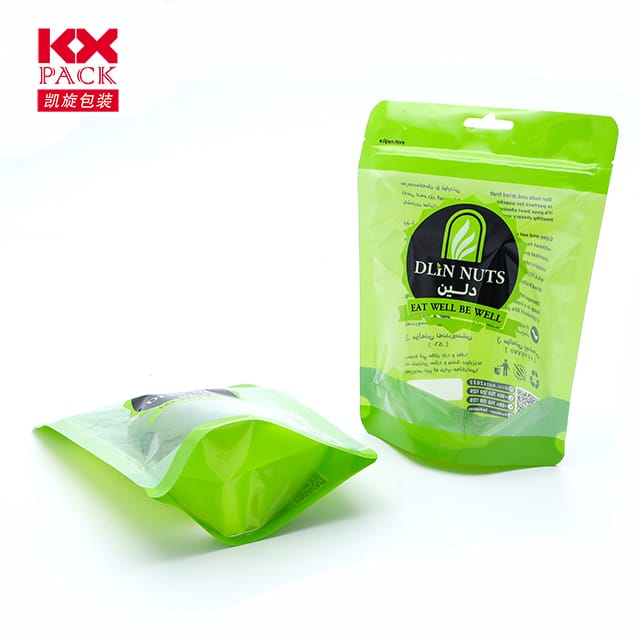
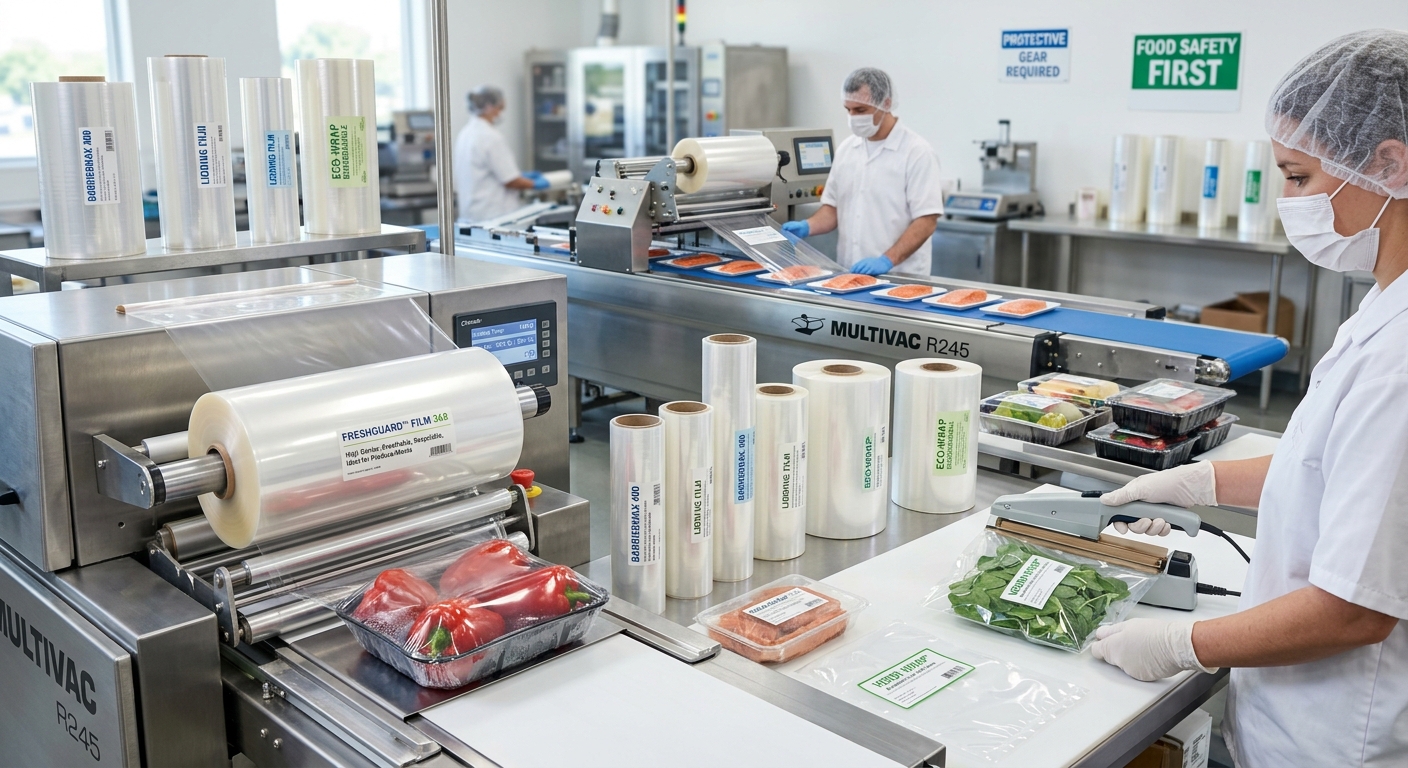
Mitä tulee nykyaikaiseen elintarvikkeiden säilöntään, joustava pakkaus elintarvikkeiden pakkauskalvot ovat mullistaneet varastointimme täysin, kuljetus, ja kuluttaa suosikkituotteitamme. Perunalastupussin rapeasta napsautuksesta naudanlihan alkupalan tyhjiösuljettuun tuoreuteen, joustavat elokuvat ovat maailmanlaajuisen elintarvikeketjun laulamattomia sankareita.
Mutta mitä näiden ultraohuiden suunnitteluun tarkalleen ottaen kuuluu, korkean suorituskyvyn materiaaleja? Ja kun kuluttajien vaatimukset siirtyvät kohti ympäristöystävällisiä ratkaisuja, kuinka teollisuus tasapainottaa säilyvyyden pidentämisen ja ympäristövastuun? Sukellaan syvälle tieteeseen, etuja, ja joustavien elintarvikepakkausten tulevaisuus.
Miksi joustavat elintarvikepakkauskalvot hallitsevat markkinoita
Kävele minkä tahansa ruokakaupan käytävää pitkin, ja huomaat nopeasti, että jäykät lasipurkit ja raskaat peltitölkit menettävät jalansijaa. Pakkaus joustava elintarvikkeiden pakkauskalvot ovat vallanneet, koska ne tarjoavat vertaansa vailla olevan tehokkuuden yhdistelmän, suoja, ja kiinteistöjen brändäystä.
Tästä syystä valmistajat ja kuluttajat tekevät vaihtoa:
- Verraton estesuojaus: Ruoka pilaantuu pääasiassa hapen vaikutuksesta, kosteutta, ja UV-valoa. Kehittyneet joustavat kalvot on suunniteltu mikroskooppisilla kerroksilla, jotka toimivat läpäisemättömänä suojana, ruokahävikin vähentäminen rajusti.
- Resurssitehokkuus: Joustavan pussin valmistukseen kuluu huomattavasti vähemmän energiaa ja raaka-aineita kuin jäykän muovi- tai lasisäiliön. Tämä tarkoittaa suoraan pienempää hiilijalanjälkeä tuotannon aikana.
- Logistiset kustannussäästöt: Taipuisat kalvot ovat uskomattoman kevyitä ja kuljetetaan litteinä. Yhdelle kuorma-autolle, joka kuljettaa tyhjiä joustavia pusseja, mahtuu enintään 25 kuorma-autot, jotka kuljettavat tyhjiä lasipurkkeja. Tämä on valtava kuljetuspäästöjen ja polttoainekustannusten väheneminen.
Elintarvikepakkauskalvon anatomian purkaminen
Kaikki elokuvat eivät ole samanarvoisia. Itse asiassa, juustoa käärittävä näennäisen yksinkertainen muovipala on todennäköisesti erittäin monimutkainen, monikerroksinen laminaatti. Jokainen kerros palvelee erillistä, kriittinen tarkoitus.
1. Ulkokerros (Painaa & Estetiikka)
Yleensä valmistettu materiaaleista, kuten LEMMIKKI (Polyeteenitereftalaatti) tai BOPP (Biaksiaalisesti suuntautunut polypropeeni), Tämän kerroksen on kestettävä korkeita painolämpötiloja ja mekaanista rasitusta. Se antaa pakkaukselle kiiltävän tai mattapintaisen pinnan ja elävän tuotemerkin.
2. Core Barrier Layer (Säilytys)
Tämä on elintarvikkeiden säilyttämisen sydän. Materiaalit kuten Evoh (Etyleenivinyylialkoholi) tai ohut alumiinifolio on kerrostettu keskelle estämään hapen ja kosteuden siirtyminen. Jopa ihmisen hiuksen murto-osa ohut kerros voi pidentää tuotteen säilyvyyttä päivistä kuukausiin.
3. Sisäinen tiivistekerros (Rehellisyys)
Ruoan koskettaminen suoraan, tämä kerros - tyypillisesti valmistettu LDPE (Matalatiheyspolyeteeni)— on oltava elintarviketurvallinen ja sulava ja tiivistettävä tiiviisti lämmön ja paineen alaisena vuotojen estämiseksi.
Kriittiset trendit, jotka muovaavat joustopakkausteollisuutta
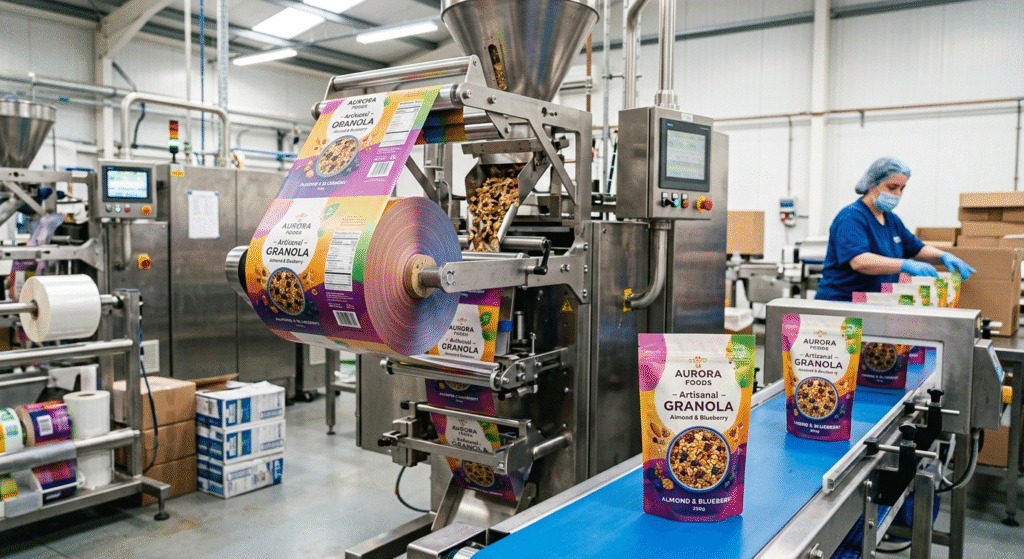
Maisema pakkaus joustavat elintarvikepakkauskalvot kehittyy huimaa vauhtia, teknologian läpimurtojen ja muuttuvien sääntelymaisemien ohjaamana.
Monomateriaalilaminaattien nousu
Historiallisesti, monikerroksisia kalvoja oli lähes mahdotonta kierrättää, koska lajittelulaitokset eivät pystyneet erottamaan PET:tä PE:stä tai EVOH:sta. Tänään, ala kääntyy kovaa päin monomateriaalirakenteet-yleensä puhdasta polyeteeniä (PE) tai polypropeeni (PP) sekoituksia. Edistyneen polymeeritekniikan avulla, nämä yhdestä materiaalista valmistetut kalvot jäljittelevät perinteisten monikerroksisten muovien suojaominaisuuksia ja ovat täysin yhteensopivia tavallisten kierrätysvirtojen kanssa.
Korkean esteen paperisointi
Voiko paperi korvata muovin? Joillakin aloilla, kyllä. Tuotemerkkien omistajat kokeilevat paperipohjaisia joustavia suojakalvoja, jotka on päällystetty vesipohjaisilla dispersiopolymeereillä. Vaikka ne eivät vielä vastaa muovin äärimmäisiä säilyvyysominaisuuksia märille tai erittäin herkille elintarvikkeille, ne sopivat täydellisesti kuiville tuotteille, kuten makeisille ja kauralle.
Älykäs ja aktiivinen pakkaus
Kuvittele kalvo, joka muuttaa väriä, kun sisällä oleva ruoka alkaa pilaantua, tai kalvo, joka imee aktiivisesti eteenikaasua pitääkseen hedelmät tuoreina pidempään. Aktiivipakkaus on siirtymässä laboratoriosta vähittäiskaupan hyllylle, tarjota kuluttajille reaaliaikaisia tuoreustietoja ja torjua aktiivisesti ruokahävikkiä.
Puhutaan kestävän kehityksen elefantista huoneessa
Olkaamme täysin rehellisiä: muovijätekriisi on kaikkien mieleen. Vaikka pakkaus joustavat elintarvikepakkauskalvot on erinomainen ruokahävikin vähentämisessä (joka itsessään on valtava kasvihuonekaasujen aiheuttaja), niiden käyttöiän päättymisen hallinta on historiallisesti ollut heikko kohta.
Kuitenkin, tarina muuttuu. Suuri CPG (Kuluttajapakatut tavarat) brändit ovat sitoutuneet tekemään 100% pakkauksistaan uudelleenkäytettäviä, kierrätettävä, tai kompostoitava vuosikymmenen sisällä. Tämä on johtanut suuriin investointeihin:
- Kuluttajan jälkeinen kierrätys (PCR) Sisältö: Kierrätettyjen muovien sisällyttäminen takaisin elintarvikkeiden kanssa kosketuksiin joutuviin kalvoihin edistyneen kemiallisen kierrätyksen avulla.
- Biohajoavat ja kompostoituvat kalvot: PLA:ta hyödyntäen (Polylaktihappo) johdettu maissitärkkelyksestä tai PHA:sta (Polyhydroksialkanoaatit) meren mikro-organismien syntetisoima, mahdollistaa pakkauksen hajoamisen luonnollisesti jättämättä jälkeensä mikromuovia.
Oikean joustavan kalvon valitseminen elintarviketuotteellesi
Jos olet elintarvikevalmistaja, joka haluaa optimoida pakkaussi, ei ole olemassa kaikille sopivaa ratkaisua. Sinun on arvioitava tuotteesi haavoittuvuudet:
| Ruokaluokka | Ensisijainen haavoittuvuus | Suositeltu elokuvan ominaisuus |
| Tuore punainen liha | Happialtistus (värjäytymistä) | Korkean esteen tyhjiö tai MAP (Muokattu ilmakehän pakkaus) elokuvat |
| Leipomo & leipää | Kosteuden menetys (vanheneminen) | Korkean kosteussuojan makrorei'itetyt kalvot |
| Välipaloja & Pähkinät | Härskyys (rasvan hapettumista) | Metalloidut tai läpinäkymättömät UV-suojakalvot |
| Jäädytetyt ruuat | Pakastin palaa & puhkaisu | Korkea pistonkestävyys, matalan lämpötilan yhteensopiva PE |
Johtopäätös: Joustava tie edessä
Maailman pakkaus joustavat elintarvikepakkauskalvot on materiaalitieteen kiehtova leikkauspiste, kulinaarinen säilöntä, ja ympäristönsuojelu. Kun katsomme tulevaisuuteen, tavoite on selvä: luomme kiertotalouksia, joissa tehokkaat pakkaukset suojaavat ruokaamme moitteettomasti, ja siirtyy sitten saumattomasti seuraavaan elinkaareen vahingoittamatta planeettaa.
Pysymällä ajan tasalla materiaaliinnovaatioista ja muuttamalla kuluttajien odotuksia, Yritykset voivat valita pakkauksia, jotka eivät vain suojaa niiden tulosta vaan myös maailmaa, jossa elämme.
Mitä haasteita yrityksesi kohtaa siirtyessään kestäviin joustopakkauksiin?? Aloitetaan keskustelu alla olevista kommenteista!