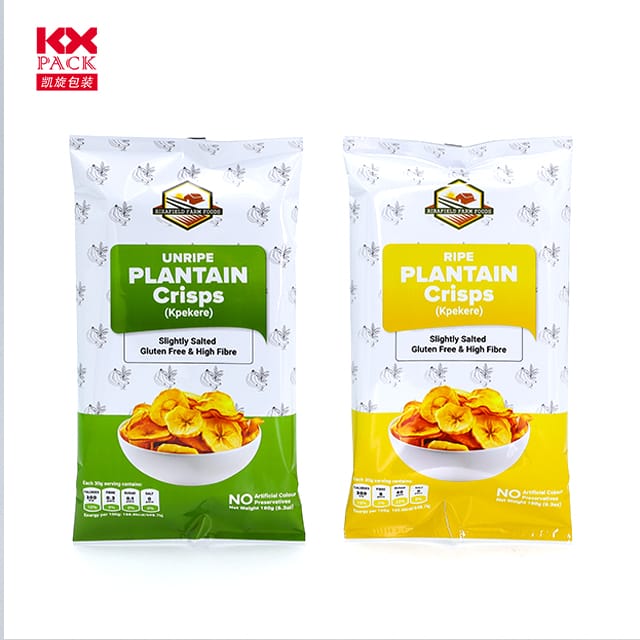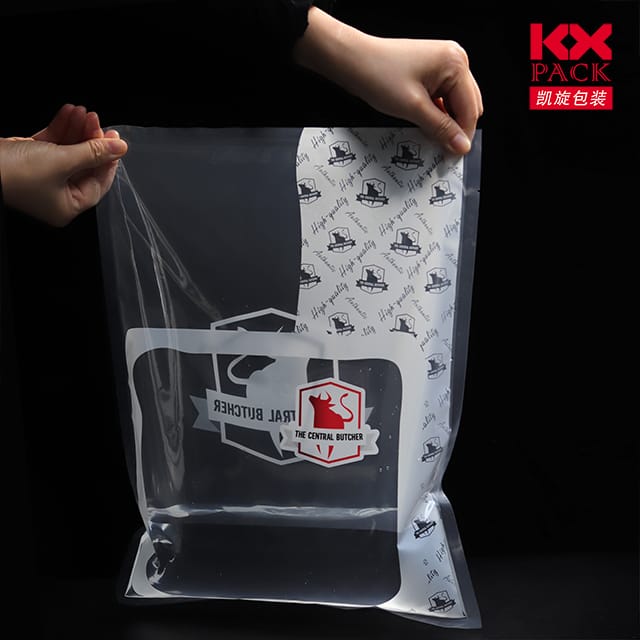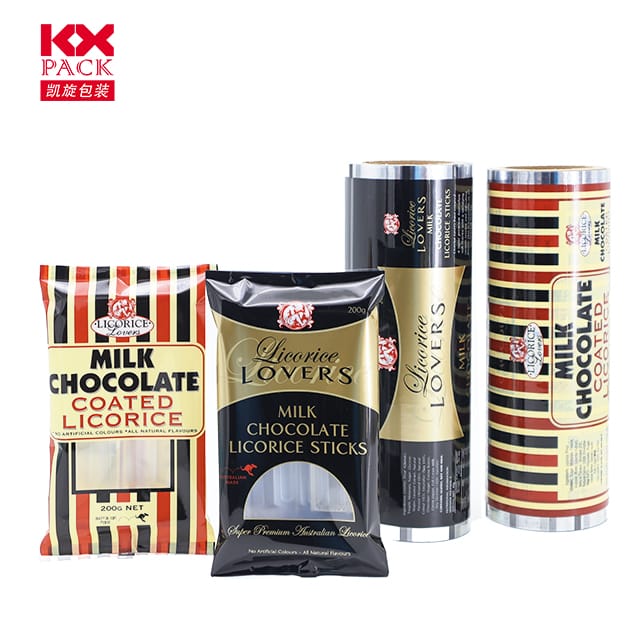
Pakkauskalvojen tulevaisuus: Kestävyys, Innovaatio, ja kuluttajatrendit
Pakkauskalvot
In a world where convenience meets environmental consciousness, pakkauskalvoista on tullut nykyaikaisen tuotesuojauksen kulmakivi, säilyttäminen, ja esittely. Ruokapakkauksista lääkkeisiin, nämä ohuet, monipuoliset materiaalit suojaavat tavaroita, pidentäen samalla säilyvyyttä ja vähentäen jätettä. Mutta globaalin kysynnän kasvaessa, samoin kiireellisyys kestävän kehityksen haasteisiin vastaamiseksi. Let’s explore the evolving landscape of packaging films, including eco-friendly innovations, cutting-edge technologies, and shifting consumer expectations.
Mitä ovat pakkauskalvot?
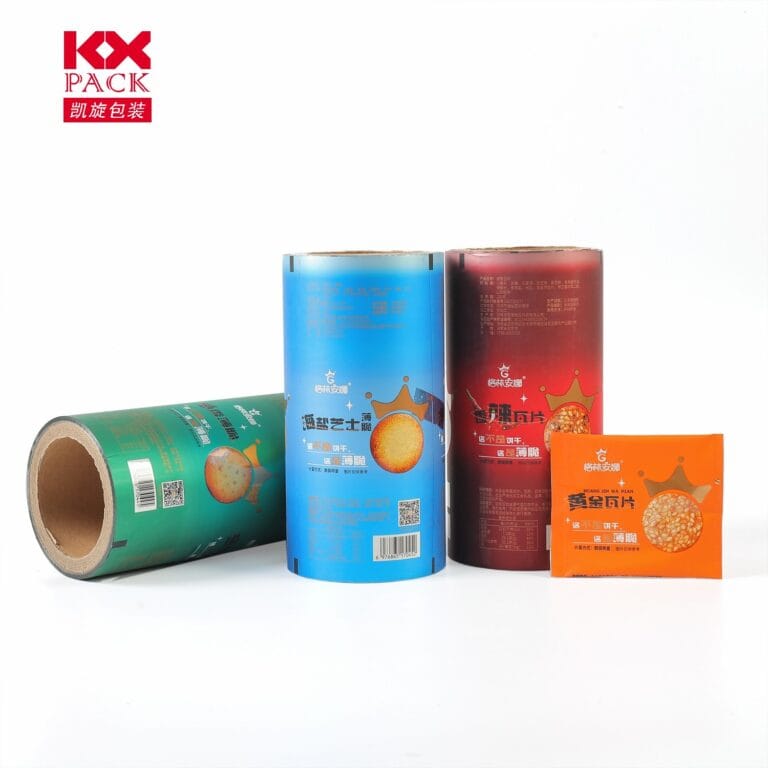
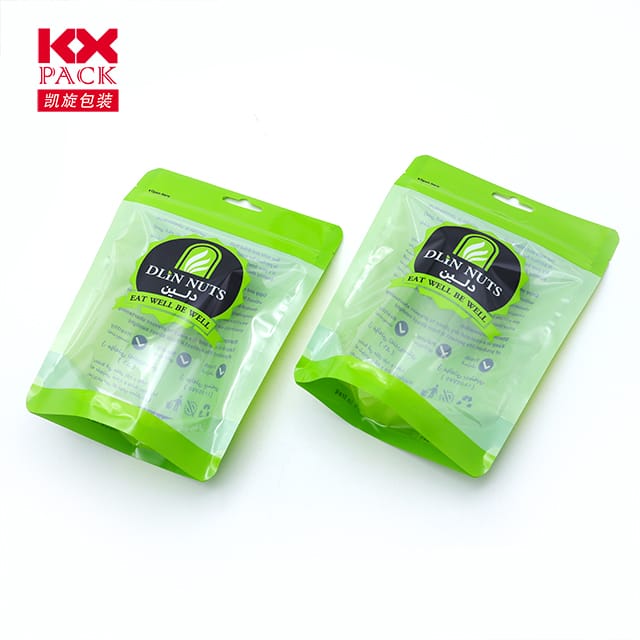
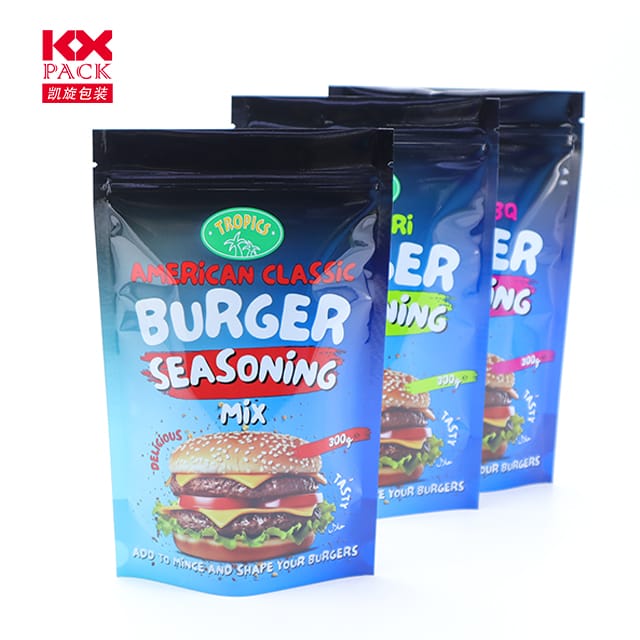
Pakkauskalvot ovat ohuita, käärimiseen käytetyt joustavat materiaalit, tiiviste, tai suojata tuotteita. Typically made from plastics like polyethylene (PE), polypropeeni (PP), tai polyesteriä (LEMMIKKI), they can also incorporate biodegradable or compostable components. Their applications span industries:
- Ruoka & Juoma: Tuoreuden säilyttäminen, preventing contamination, and enabling clear product visibility.
- Lääkkeet: Ensuring sterile, tamper-proof packaging for medications.
- Kulutustavarat: Enhancing shelf appeal for cosmetics, elektroniikka, ja taloustavarat.
- Maatalous: Protecting crops with mulch films or silage wraps.
The Sustainability Imperative: Rethinking Traditional Films
While conventional plastic films are cost-effective and durable, their environmental impact is undeniable. Kertakäyttöiset muovit lisäävät saastumista, with millions of tons ending up in landfills or oceans annually. This has sparked a global push for sustainable alternatives:
- Biohajoavat kalvot
Valmistettu kasviperäisistä materiaaleista, kuten tärkkelyksestä, selluloosa, tai polyloakidihappo (PLA), nämä kalvot hajoavat luonnollisesti tietyissä olosuhteissa. Esimerkiksi, compostable coffee pouches or biodegradable produce wraps are gaining traction in eco-conscious markets. - Kierrätettävät kalvot
Innovations in mono-material films (ESIM., single-layer PE) yksinkertaistaa kierrätysprosesseja. Brands are also adopting “design for recycling” principles, avoiding mixed materials that are hard to separate. - Paperipohjaiset laminaatit
Combining paper with a thin plastic coating offers a recyclable or compostable option for dry goods like snacks or cereals. - Uudelleenkäytettävät järjestelmät
Some companies are experimenting with refillable packaging films, encouraging consumers to return containers for sterilization and reuse.
Tech Trends Shaping the Industry
The packaging film sector is buzzing with technological advancements aimed at efficiency and sustainability:
- Älykkäät elokuvat: Embedded with sensors or indicators, these films monitor freshness (ESIM., color-changing labels for meat spoilage) or detect tampering.
- Nanoteknologia: Nanopinnoitteet parantavat suojaominaisuuksia, keeping oxygen or moisture out without adding bulk.
- 3D tulostus: Customized films with intricate designs or functional layers can now be produced on demand, jätteiden vähentäminen.
- AI-ohjattu suunnittelu: Machine learning optimizes material usage, paksuus, and performance, cutting costs and environmental footprints.
Consumer Demand: Transparency and Eco-Conscious Choices
Today’s shoppers prioritize sustainability—and they’re voting with their wallets. A 2023 survey by McKinsey found that 75% of consumers consider environmental impact when purchasing packaged goods. This shift is driving brands to:
- Clearly label recycling instructions or eco-certifications.
- Adopt minimalist packaging to reduce material use.
- Partner with recycling programs or take-back initiatives.
Haasteet ja tie edessä
Edistymisestä huolimatta, esteitä jäljellä:
- Maksaa: Sustainable films often come at a premium, though economies of scale are gradually closing the gap.
- Suorituskyky: Biodegradable materials may lack the durability or barrier properties of traditional plastics.
- Infrastruktuuri: Recycling facilities for compostable films are limited in many regions.
kuitenkin, industry collaboration and regulatory pressure (ESIM., EU kieltää kertakäyttömuovin) are accelerating change. Companies are investing heavily in R&D to create films that are both planet-friendly and functional.
Johtopäätös: A Wrap on the Future of Packaging Films
Packaging films are at a crossroads—balancing the need for protection and convenience with the planet’s health. As innovation surges, the industry is moving toward a circular economy model, missä materiaaleja käytetään uudelleen, kierrätetty, or safely returned to nature. Yrityksille, staying ahead means embracing sustainability as a core value, not just a trend. Kuluttajille, supporting brands that prioritize eco-friendly packaging sends a powerful message.
What’s your take on sustainable packaging films? Share your thoughts or favorite eco-brands in the comments below! 🌍✨