Kuinka valita elintarvikepakkaus? 3 Vältettävät tärkeät kohdat Vanhentunut & Huonolaatuiset ansoja
Every time we walk into a grocery store or order food online, we are surrounded by a wide variety of food packaging—from plastic containers and paper bags to glass jars and metal cans. Food packaging is not just a tool to hold food; it plays a crucial role in preserving food freshness, ensuring food safety, and preventing contamination. kuitenkin, with so many options available, many people struggle with Kuinka valita elintarvikepakkaus that is safe, luotettava, and suitable for their needs. Choosing the wrong food packaging can lead to food spoilage, health risks from low-quality materials, or unknowingly buying expired products. In this comprehensive popular science article, we will focus on Kuinka valita elintarvikepakkaus, share three key points to avoid expired and low-quality traps, and help you make informed decisions when selecting food packaging. By the end of this article, you will have a clear understanding ofKuinka valita elintarvikepakkaus and be able to protect yourself and your family’s health through proper packaging selection.
Ensimmäinen, it’s essential to recognize that Kuinka valita elintarvikepakkaus is not a trivial question—it is directly related to food safety and human health. Food packaging acts as a barrier between food and the external environment, preventing the entry of bacteria, pöly, kosteutta, ja muut epäpuhtaudet. It also helps maintain the nutritional value, maku, and texture of food, extending its shelf life. kuitenkin, if the packaging is of poor quality or improperly selected, it can have the opposite effect: low-quality materials may release harmful substances into the food, expired packaging may indicate spoiled food, and inappropriate packaging types may accelerate food deterioration. This is why mastering Kuinka valita elintarvikepakkaus is a basic skill for everyone in daily life.
To answer the question of Kuinka valita elintarvikepakkaus, we first need to understand the core functions of food packaging. The primary functions include protection, säilyttäminen, sopivuus, and information transmission. Protection means preventing physical damage to food during transportation and storage; preservation refers to slowing down food spoilage through sealing, kosteutta kestävä, and anti-oxidation measures; convenience means making it easy for consumers to carry, tallentaa, and use food; information transmission refers to displaying key information such as food ingredients, production date, säilyvyys, and storage conditions on the packaging. All these functions are important considerations when thinking about Kuinka valita elintarvikepakkaus, as they directly affect the safety and usability of the food.
Now, let’s dive into the first key point for Kuinka valita elintarvikepakkaus: check the basic information on the packaging carefully. This is the most fundamental step to avoid expired and low-quality food, and it is also the starting point for answering Kuinka valita elintarvikepakkaus. Every qualified food package must have complete and standardized labeling information, which includes the food name, ingredients list, production date, säilyvyys, säilytysolosuhteet, manufacturer’s name and address, and food production license number. When choosing food packaging, you must take the time to check these details, especially the production date and shelf life—expired food may have deteriorated, producing harmful substances that can cause food poisoning.
Many people overlook this step when considering Kuinka valita elintarvikepakkaus, which often leads to buying expired or low-quality food. Esimerkiksi, some consumers only pay attention to the brand or price of the food and ignore the production date, resulting in purchasing food that is about to expire or has already expired. Others may not check the storage conditions, leading to improper storage after purchase and accelerating food spoilage. Siksi, when thinking about Kuinka valita elintarvikepakkaus, the first thing to do is to carefully read all the information on the packaging, ensure that the food is within the shelf life, and that the storage conditions are suitable for your home environment. This simple step can help you avoid most expired and low-quality traps.
The second key point for Kuinka valita elintarvikepakkaus is to identify the quality of the packaging material. The material of food packaging directly affects food safety, as low-quality materials may release toxic substances (such as plasticizers, heavy metals) into the food, especially when in contact with high-temperature food or acidic/alkaline food. Siksi, understanding the characteristics of different packaging materials is crucial for answering Kuinka valita elintarvikepakkaus. Common food packaging materials include plastic, paperia, lasi, metalli, and biodegradable materials, each with its own advantages and applicable scenarios.
When considering Kuinka valita elintarvikepakkaus based on materials, it’s important to know which materials are safe for food contact. Muovipakkauksiin, look for the “food-grade” logo and the recycling symbol (usually a triangle with a number inside). Numbers 1 (LEMMIKKI), 2 (HDPE), 4 (LDPE), ja 5 (PP) are generally safe for food contact, while numbers 3 (PVC), 6 (PS), ja 7 (other plastics) may contain harmful substances and are not suitable for long-term contact with food, especially hot food. For paper packaging, choose products with no obvious odor, no fluorescent whitening agents, and a food-grade coating. Glass and metal packaging are relatively safe, but glass is fragile and metal may rust if not properly sealed. By understanding these material characteristics, you can better answer Kuinka valita elintarvikepakkaus and avoid low-quality materials.
It’s also important to note that some low-quality food packaging may use unqualified materials to reduce costs, which poses great health risks. Esimerkiksi, some plastic food bags may be made of recycled waste plastic, which contains heavy metals and other toxic substances that can migrate into food. When choosing food packaging, if you find that the plastic is brittle, has a pungent odor, or is discolored, you should avoid purchasing it. This is another important aspect of Kuinka valita elintarvikepakkaus—not only to know which materials are safe but also to be able to identify unqualified materials through visual and olfactory observations.
The third key point for Kuinka valita elintarvikepakkaus is to match the packaging type with the food characteristics and usage scenarios. Different foods have different properties (such as moisture content, acidity, oil content), and different usage scenarios (such as home storage, outdoor carrying, microwave heating) require different types of packaging. Choosing the right packaging type can effectively extend the shelf life of food and ensure food safety, which is a key part of answering Kuinka valita elintarvikepakkaus.
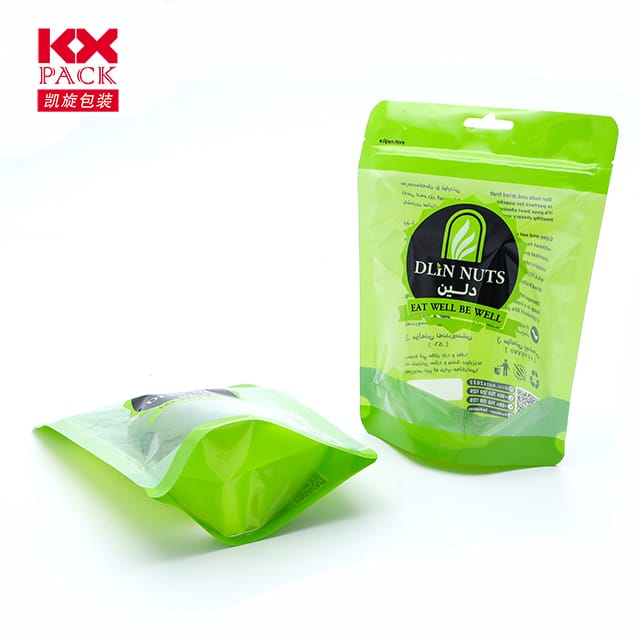
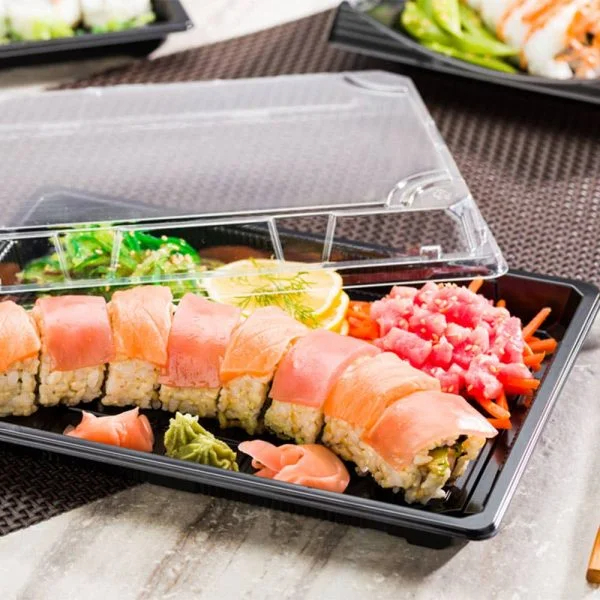
Esimerkiksi, wet foods (such as fruits, vihannekset, and cooked food) require packaging with good moisture retention and sealing to prevent water loss and bacterial contamination—plastic containers with airtight lids or vacuum-sealed packaging are good choices. Dry foods (such as grains, välipalat, ja pähkinöitä) require moisture-proof and insect-proof packaging, so paper bags with plastic liners or sealed plastic bags are more suitable. For foods that need to be heated in the microwave (such as frozen meals), choose microwave-safe packaging (usually marked with a “microwave-safe” logo) to avoid the release of harmful substances when heated. When carrying food outdoors, choose lightweight, kestävä, and leak-proof packaging, such as portable plastic boxes or insulated paper bags. These examples show that matching packaging to food and usage scenarios is an important part of Kuinka valita elintarvikepakkaus.
Many people make mistakes in this aspect when thinking aboutKuinka valita elintarvikepakkaus, leading to food spoilage or safety risks. Esimerkiksi, using ordinary plastic bags to store hot food may cause the plastic to melt and release toxic substances; using non-sealed packaging to store dry food may lead to moisture absorption and mold growth. Siksi, when choosing food packaging, it’s necessary to consider the characteristics of the food and how you will use it, so as to select the most suitable packaging type. This is a key step in mastering Kuinka valita elintarvikepakkaus and avoiding unnecessary waste and health risks.
In addition to the three key points mentioned above, there are other factors to consider when answering Kuinka valita elintarvikepakkaus. Esimerkiksi, pay attention to the sealing performance of the packaging—poor sealing can lead to food contamination and spoilage. You can check the sealing by gently pressing the packaging (for plastic bags) or twisting the lid (for containers) to see if there is any air leakage. Another factor is the appearance of the packaging—if the packaging is damaged, deformed, or has stains, it may indicate that the food inside has been contaminated, and such products should be avoided. These small details are also important for Kuinka valita elintarvikepakkaus, as they can help you further screen out low-quality products.
It’s also worth noting that with the development of environmental protection concepts, more and more consumers are paying attention to the environmental performance of food packaging when considering Kuinka valita elintarvikepakkaus. Choosing eco-friendly, biohajoava pakkaus (such as paper packaging, cornstarch-based plastic packaging) not only protects the environment but also reduces the risk of harmful substances, as these materials are usually made of natural ingredients. kuitenkin, when choosing eco-friendly packaging, it’s still necessary to pay attention to the quality and safety of the materials to ensure that they meet food-grade standards. This is an emerging aspect of Kuinka valita elintarvikepakkaus that is worthy of attention.
To further illustrate the importance of Kuinka valita elintarvikepakkaus, let’s consider a real-world example. Suppose you buy a box of cooked food with packaging that has no production date or shelf life, and the plastic material is brittle and has a pungent odor. If you ignore these problems and eat the food, you may suffer from food poisoning due to expired or contaminated food. Toisaalta, if you know Kuinka valita elintarvikepakkaus, you will check the labeling information, identify the low-quality material, and avoid buying this product, thus protecting your health. This example shows that masteringKuinka valita elintarvikepakkaus is not only a matter of food safety but also a matter of personal health.
Another example is choosing packaging for microwave-heated food. If you use a non-microwave-safe plastic container to heat food, the plastic may release bisphenol A (BPA) and other harmful substances, which can enter the food and pose a long-term health risk. kuitenkin, if you know Kuinka valita elintarvikepakkaus, you will look for the “microwave-safe” logo and choose the right packaging, avoiding this risk. These real-life scenarios highlight why Kuinka valita elintarvikepakkaus is a skill that everyone needs to master.
Unfortunately, many people still underestimate the importance of Kuinka valita elintarvikepakkaus, viewing it as a simple task of “picking a box to hold food.” This misconception can lead to health risks and food waste. Esimerkiksi, some consumers buy food based solely on price, ignoring the quality of the packaging; others reuse unqualified packaging to store food, which can also cause contamination. Siksi, it’s necessary to popularize the knowledge of Kuinka valita elintarvikepakkaus, help people realize the importance of proper packaging selection, and guide them to make safe and rational choices.
When summarizing Kuinka valita elintarvikepakkaus, we can conclude that the three key points are: check the basic labeling information carefully, identify the quality of the packaging material, and match the packaging type with food characteristics and usage scenarios. By following these three points, you can effectively avoid expired and low-quality food packaging traps, ensure food safety, and protect your family’s health. Lisäksi, paying attention to the sealing performance, appearance, and environmental performance of the packaging can further improve your ability to choose food packaging correctly.