Joustavien elokuvien kehitys ja vaikutus ruokapakkauksissa: Kestävä vallankumous (3)
Joustavat elokuvat
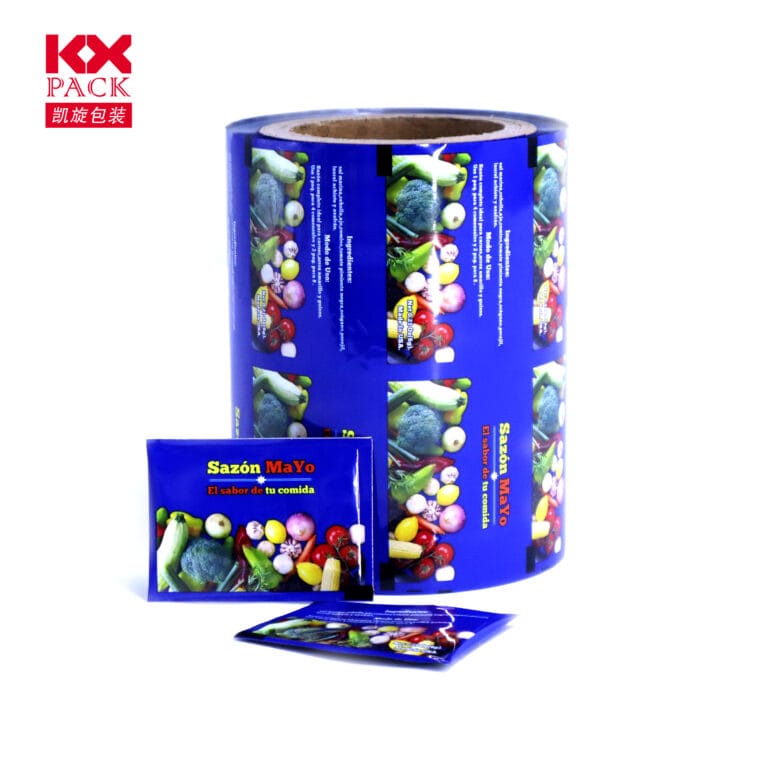
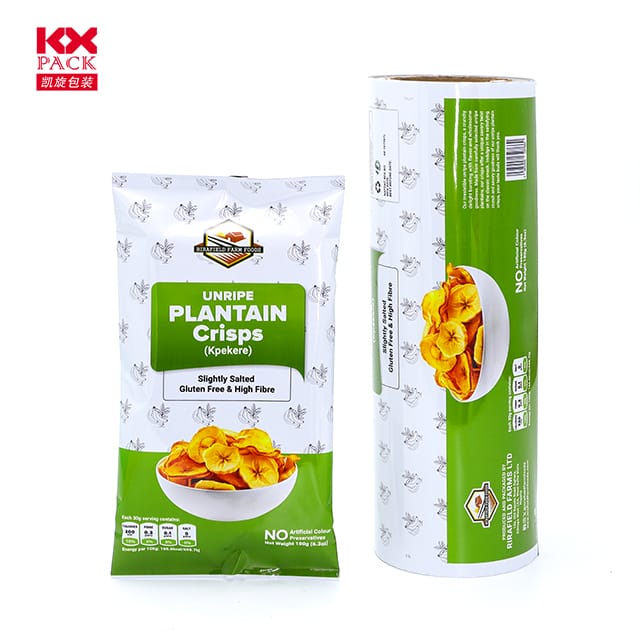
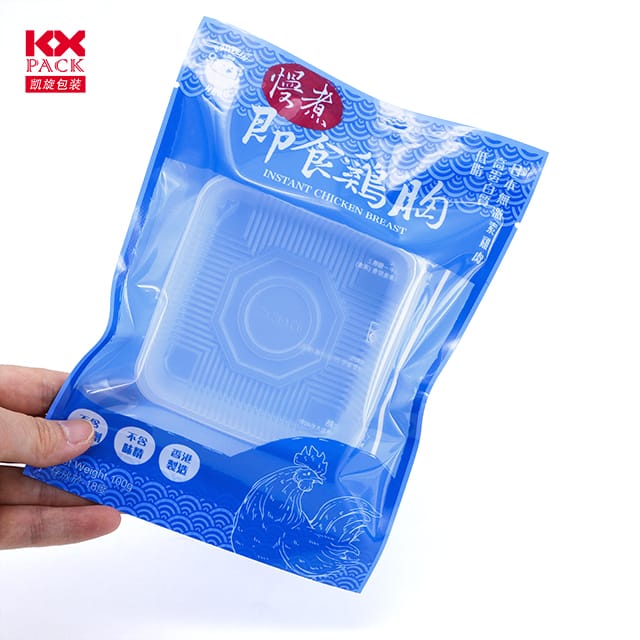
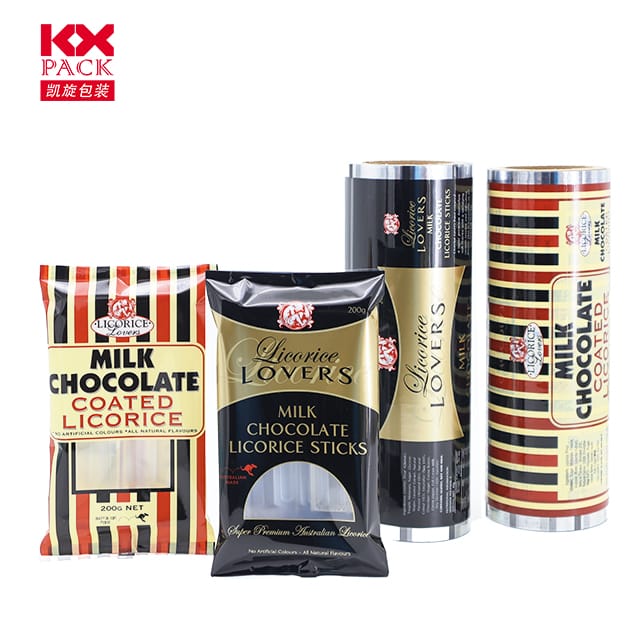
Nykypäivän nopeatempoisessa maailmassa, elintarvikkeiden pakkaaminen ei ole enää vain eristämistä – se on tiedettä, joka tasapainottaa säilyvyyttä, sopivuus, ja kestävyys. Tätä muutosta ajavien innovaatioiden joukossa, joustavat kalvot have emerged as a game-changer in food packaging. Kevyt, monipuolinen, ja mukautuva, nämä materiaalit muokkaavat suojaamme, kuljetus, ja kuluttaa ruokaa. Let’s dive into why flexible films are revolutionizing the industry and what their future holds.
Mitkä ovat joustavat elokuvat?
Flexible films are thin, pliable materials made from polymers like polyethylene (PE), polypropeeni (PP), polyesteri (LEMMIKKI), and biodegradable alternatives such as PLA (polymaitohappo). These films can be laminated, coated, or printed to create packaging solutions tailored for specific food products—from snacks and fresh produce to frozen meals and beverages.
Their key advantages? Lightweight construction reduces shipping emissions, customizable barrier properties extend shelf life, jaflexibility allows for efficient use of space in packaging designs.
Why Are Flexible Films Dominating Food Packaging?
- Parannettu säilyvyysaika
Flexible films can be engineered with oxygen, kosteutta, and light barriers to prevent spoilage. Esimerkiksi, high-barrier laminates keep coffee fresh, while modified atmosphere packaging (KARTTA) films extend the shelf life of meat and cheese. - Sustainability Gains
Traditional rigid packaging often uses more material and generates higher waste. Flexible films, by contrast, require fewer resources to produce and transport. Lisäksi, advancements in recyclable and compostable films (ESIM., bio-based PLA or mono-material PE structures) are reducing plastic pollution. - Sopivuus & Innovaatio
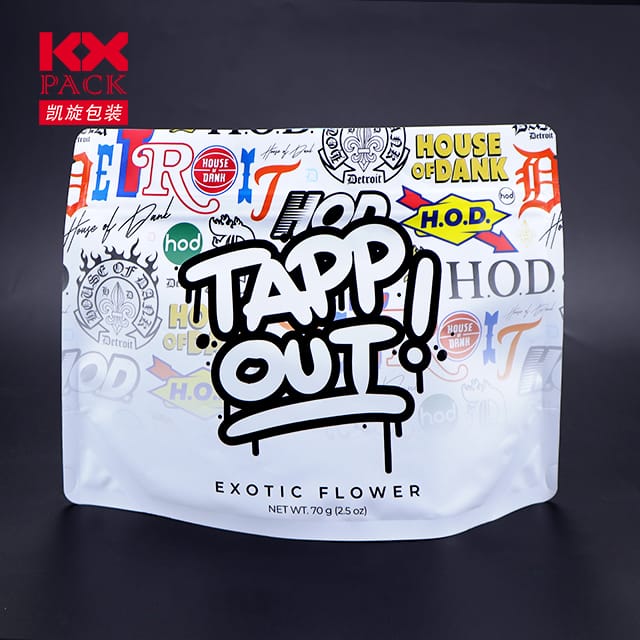
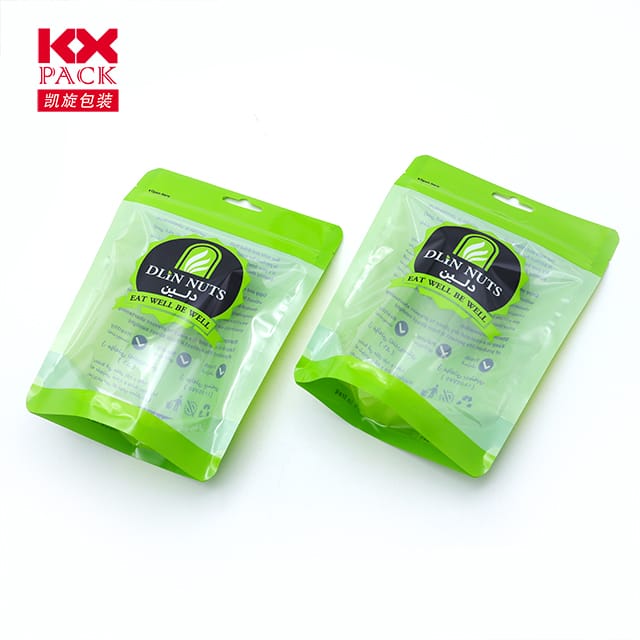
Uudelleensuljettavat vetoketjut, helposti repeytyviä aukkoja, and stand-up pouches make flexible packaging consumer-friendly. Brands like snack companies and ready-meal producers leverage these features to enhance user experience. - Kustannustehokkuus
Lighter materials mean lower shipping costs, and the ability to form-fill-seal (FFS) on high-speed machinery boosts production efficiency.
Haasteet & Tie edessä
Edustaan huolimatta, flexible films face hurdles:
- Recyclability Complexity: Monikerroksiset laminaatit (ESIM., PET/AL/PE) ovat vaikeita kierrättää.
- Kuluttajan käsitys: Some still associate plastics with waste, even if innovations like chemical recycling or compostable films exist.
Ratkaisut Horisontissa:
- Yksimateriaalirakenteet: Using a single polymer type (ESIM., kaikki PE-pussit) parantaa kierrätettävyyttä.
- Biohajoavat kalvot: Made from renewable resources, these break down naturally, vaikka skaalautuvuus on edelleen haaste.
- Älykäs pakkaus: Integrating sensors or QR codes into films to track freshness and reduce waste.
The Future is Flexible
Globaalien joustopakkausmarkkinoiden ennustetaan saavuttavan$250 miljardilla 2028, driven by e-commerce growth and sustainability mandates. Brands are increasingly prioritizingcircular design—creating packaging that’s recyclable, uudelleen käytettävä, or compostable by design.
As consumers demand eco-friendly options without sacrificing convenience, flexible films will play a pivotal role in bridging the gap. Seuraava raja? Innovaatiot kutensyötävät elokuvat (valmistettu merilevästä tai tärkkelyksestä) taiself-healing materials that further minimize waste.
Johtopäätös
Flexible films are more than just packaging—they’re a testament to human ingenuity in solving modern challenges. Tasapainottamalla toimintoja, kestävyys, and affordability, they’re not just protecting food but also our planet. Kun tekniikka kehittyy, yksi asia on selvä: the future of food packaging is flexible, and it’s here to stay.
What’s your take on flexible films? Jaa ajatuksesi alla oleviin kommentteihin! 🌱🍱
Avainsanat: joustavat kalvot, elintarvikkeiden pakkaus, kestävyys, säilyvyys, biohajoava, kierrätettävä, kiertotalous