راهنمای نهایی برای بسته بندی فیلم های بسته بندی مواد غذایی انعطاف پذیر: روندها, مواد, و پایداری
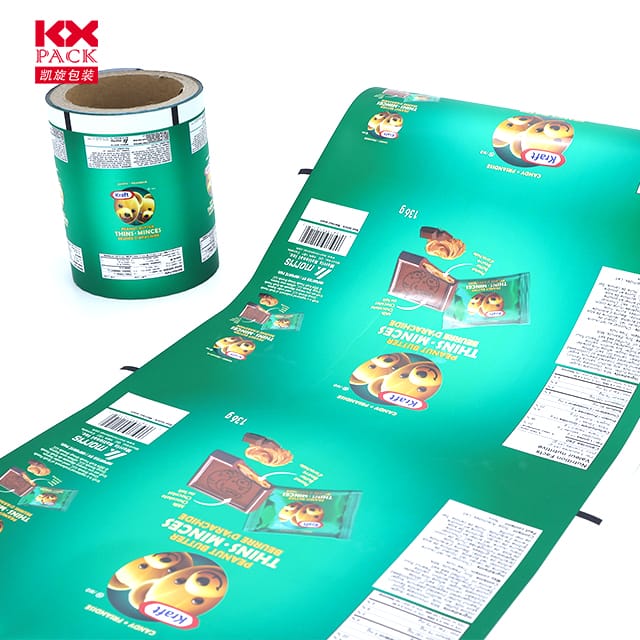
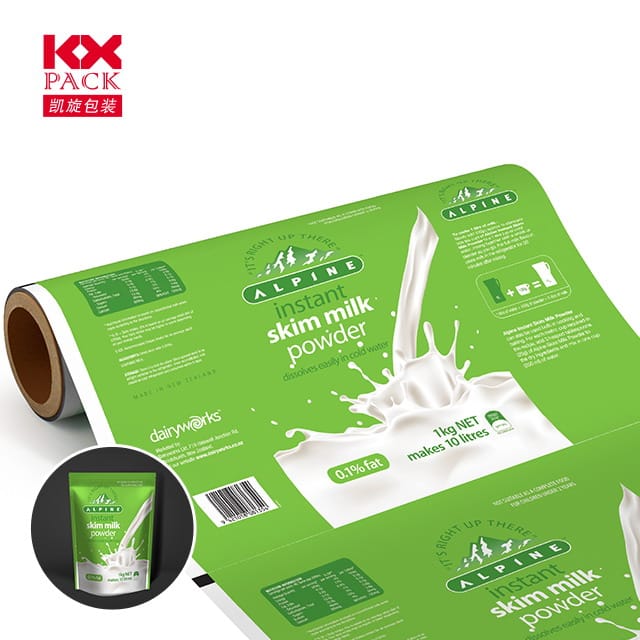
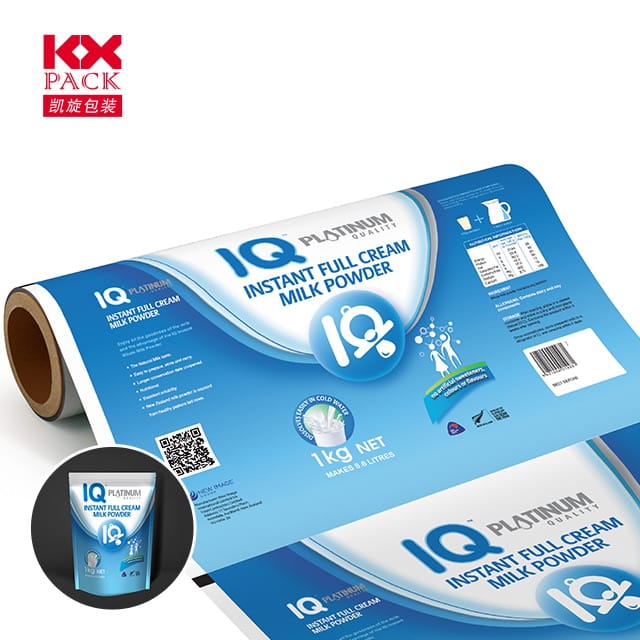
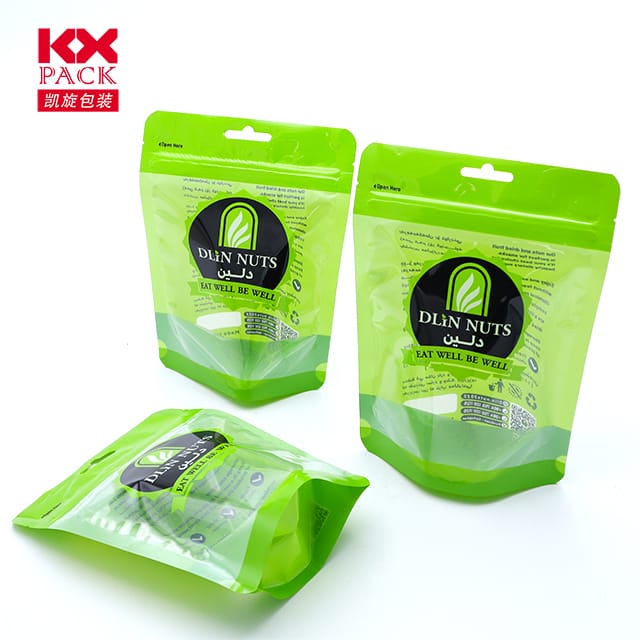
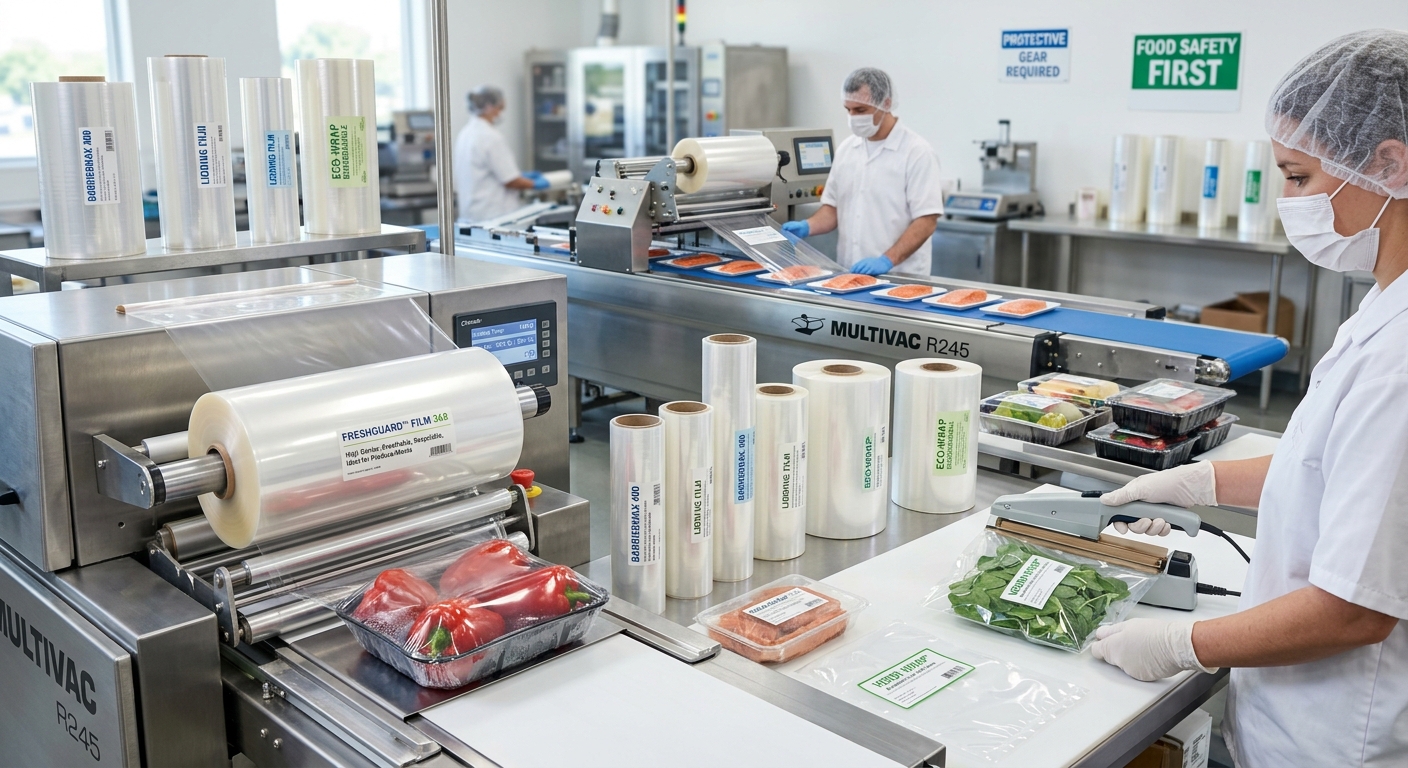
وقتی صحبت از نگهداری مواد غذایی مدرن می شود, بسته بندی انعطاف پذیر فیلم های بسته بندی مواد غذایی نحوه ذخیره سازی ما را کاملا متحول کرده است, حمل, و محصولات مورد علاقه خود را مصرف کنیم. از ضربه محکم یک کیسه چیپس سیب زمینی تا طراوت مهر و موم شده با خلاء یک قطعه اولیه گوشت گاو, فیلمهای انعطافپذیر قهرمانان گمنام زنجیره تامین غذای جهانی هستند.
اما دقیقاً چه چیزی به مهندسی این فوق العاده نازک وارد می شود, مواد با کارایی بالا? و همانطور که تقاضاهای مصرف کننده به سمت راه حل های سازگار با محیط زیست تغییر می کند, چگونه صنعت افزایش عمر مفید و مسئولیت زیست محیطی را متعادل می کند؟? بیایید عمیقاً در علم غوطه ور شویم, فواید, و آینده بسته بندی مواد غذایی انعطاف پذیر.
چرا فیلم های بسته بندی مواد غذایی انعطاف پذیر بر بازار تسلط دارند؟
در هر راهروی خواربارفروشی قدم بزنید, و به سرعت متوجه خواهید شد که کوزه های شیشه ای سفت و قوطی های حلبی سنگین در حال از دست دادن زمین هستند. بسته بندی انعطاف پذیر فیلم های بسته بندی مواد غذایی به این دلیل که ترکیبی بی بدیل از کارایی را ارائه می دهند، مسئولیت را بر عهده گرفته اند, حفاظت, و برندسازی املاک و مستغلات.
به همین دلیل است که تولید کنندگان و مصرف کنندگان به طور یکسان در حال تغییر هستند:
- حفاظت از موانع بی نظیر: غذا در درجه اول به دلیل قرار گرفتن در معرض اکسیژن فاسد می شود, مرطوب, و نور UV. فیلم های انعطاف پذیر پیشرفته با لایه های میکروسکوپی طراحی شده اند که به عنوان یک سپر غیر قابل نفوذ عمل می کنند., کاهش شدید ضایعات مواد غذایی.
- بهره وری منابع: برای تولید یک کیسه انعطاف پذیر انرژی و مواد خام بسیار کمتری نسبت به یک ظرف پلاستیکی یا شیشه ای سفت و سخت مصرف می شود.. این به طور مستقیم به کاهش ردپای کربن در طول تولید ترجمه می شود.
- صرفه جویی در هزینه لجستیک: فیلمهای انعطافپذیر فوقالعاده سبک هستند و صاف میشوند. یک کامیون که کیسه های خالی قابل انعطاف را حمل می کند می تواند معادل تا 25 کامیون هایی که کوزه های شیشه ای خالی را حمل می کنند. این کاهش گسترده در انتشار گازهای گلخانه ای حمل و نقل و هزینه های سوخت است.
ساختارشکنی آناتومی یک فیلم بسته بندی مواد غذایی
همه فیلم ها یکسان ساخته نمی شوند. در حقیقت, آن تکه پلاستیکی به ظاهر ساده که پنیر شما را بسته بندی می کند، احتمالاً بسیار پیچیده است, لمینت چند لایه. هر لایه به یک ویژگی متمایز خدمت می کند, هدف انتقادی.
1. لایه بیرونی (چاپ کنید & زیبایی شناسی)
معمولا از موادی مانند PET (پلی اتیلن) یا BOPP (پلی پروپیلن با گرایش), این لایه باید در برابر دمای چاپ بالا و استرس مکانیکی مقاومت کند. این همان چیزی است که به بسته بندی روکش براق یا مات و برندی پر جنب و جوش می دهد.
2. لایه مانع هسته (حفظ)
این قلب حفظ مواد غذایی است. موادی مانند EVOH (اتیلن وینیل الکل) یا فویل آلومینیومی نازک در وسط ساندویچ می شود تا از انتقال اکسیژن و رطوبت جلوگیری کند.. حتی لایه ای به نازکی کسری از موی انسان می تواند ماندگاری محصول را از چند روز تا چند ماه افزایش دهد..
3. لایه درزگیر داخلی (صداقت)
لمس مستقیم غذا, این لایه - معمولاً از LDPE (پلی اتیلن کم چگالی)- باید برای مواد غذایی ایمن باشد و قابلیت ذوب شدن و آب بندی محکم تحت حرارت و فشار را داشته باشد تا از نشتی جلوگیری شود..
روندهای حیاتی شکل دهنده صنعت بسته بندی انعطاف پذیر
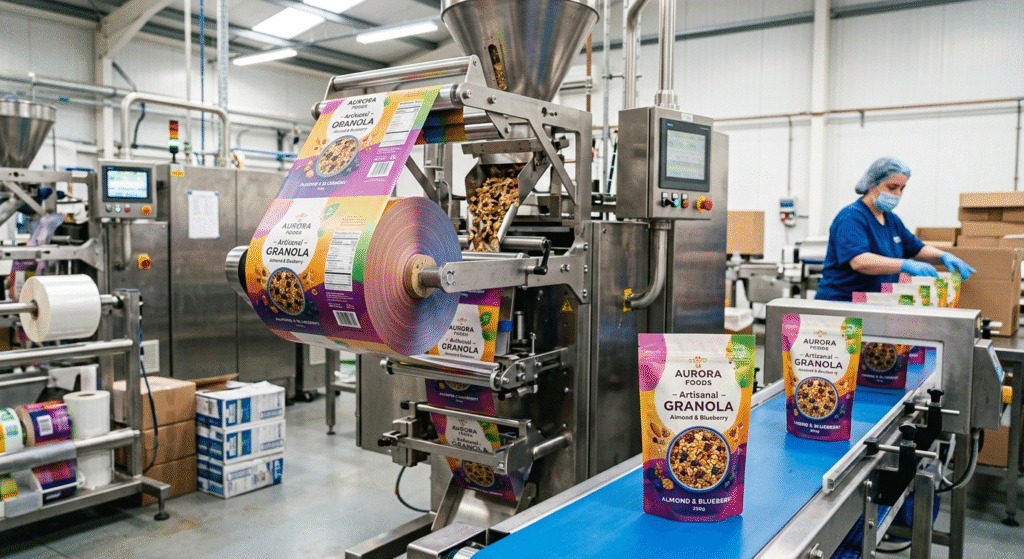
چشم انداز از بسته بندی فیلم های بسته بندی مواد غذایی انعطاف پذیر با سرعت سرسام آوری در حال تکامل است, توسط پیشرفت های تکنولوژیکی و تغییر چشم اندازهای نظارتی هدایت می شود.
ظهور لمینت های تک ماده
از نظر تاریخی, بازیافت فیلم های چند لایه تقریبا غیرممکن بود زیرا امکانات مرتب سازی نمی توانست PET را از PE یا EVOH جدا کند.. امروز, صنعت به سختی به سمت آن می چرخد ساختارهای تک ماده ای- معمولاً پلی اتیلن خالص (PE) یا پلی پروپیلن (PP) مخلوط می کند. از طریق مهندسی پلیمر پیشرفته, این فیلمهای تکماده از خواص بازدارنده پلاستیکهای چند لایه سنتی تقلید میکنند در حالی که کاملاً با جریانهای بازیافت استاندارد سازگار هستند..
کاغذسازی با مانع بالا
آیا کاغذ می تواند جایگزین پلاستیک شود? در برخی بخش ها, بله. صاحبان برند در حال آزمایش با موانع انعطاف پذیر مبتنی بر کاغذ هستند که با پلیمرهای پراکندگی مبتنی بر آب پوشانده شده اند.. در حالی که آنها هنوز با قابلیت های ماندگاری فوق العاده پلاستیک برای غذاهای مرطوب یا بسیار حساس مطابقت ندارند., آنها برای کالاهای خشک مانند شیرینی و جو دوسر عالی هستند.
بسته بندی هوشمند و فعال
فیلمی را تصور کنید که وقتی غذای داخل شروع به فاسد شدن می کند، رنگ آن تغییر می کند, یا فیلمی که به طور فعال گاز اتیلن را جذب می کند تا میوه را برای مدت طولانی تری تازه نگه دارد. بسته بندی فعال از آزمایشگاه به قفسه خرده فروشی در حال حرکت است, ارائه دادههای تازهبودن در زمان واقعی به مصرفکنندگان و مبارزه فعالانه با ضایعات مواد غذایی.
پرداختن به فیل پایداری در اتاق
بیایید کاملا رک باشیم: بحران زباله های پلاستیکی برای همه مهم است. در حالی که بسته بندی فیلم های بسته بندی مواد غذایی انعطاف پذیر در کاهش ضایعات مواد غذایی عالی است (که خود سهم زیادی در تولید گازهای گلخانه ای دارد), مدیریت پایان عمر آنها از لحاظ تاریخی یک نقطه ضعف بوده است.
با این حال, روایت در حال تغییر است. CPG اصلی (کالاهای بسته بندی مصرفی) برندها متعهد به ساختن هستند 100% بسته بندی آنها قابل استفاده مجدد, قابل بازیافت, یا قابل کمپوست در یک دهه. این امر باعث سرمایه گذاری گسترده در این زمینه شده است:
- بازیافت پس از مصرف کننده (PCR) محتوا: بازگرداندن پلاستیک های بازیافتی به فیلم های تماس با غذا از طریق بازیافت شیمیایی پیشرفته.
- فیلم های زیست تخریب پذیر و کمپوست پذیر: استفاده از PLA (پلی لاکتیک اسید) مشتق شده از نشاسته ذرت یا PHA (پلی هیدروکسی آلکانوات ها) سنتز شده توسط میکروارگانیسم های دریایی, اجازه می دهد بسته بندی به طور طبیعی بدون باقی ماندن میکروپلاستیک ها تجزیه شود.
انتخاب فیلم انعطاف پذیر مناسب برای محصول غذایی شما
اگر یک تولید کننده مواد غذایی هستید که به دنبال بهینه سازی بسته بندی خود هستید, هیچ راه حلی برای همه وجود ندارد. شما باید آسیب پذیری های خاص محصول خود را ارزیابی کنید:
| دسته غذا | آسیب پذیری اولیه | ویژگی فیلم توصیه شده |
| گوشت قرمز تازه | قرار گرفتن در معرض اکسیژن (تغییر رنگ) | خلاء با مانع بالا یا MAP (بسته بندی اتمسفر اصلاح شده) فیلم |
| نانوایی & نان | از دست دادن رطوبت (بیات شدن) | فیلم های ماکرو سوراخ دار با مانع رطوبت بالا |
| تنقلات & آجیل | تباهی (اکسیداسیون چربی) | فیلم های متالایزه یا مات مسدود کننده UV |
| غذاهای یخ زده | سوختن فریزر & سوراخ کردن | مقاومت در برابر سوراخ شدن بالا, PE سازگار با دمای پایین |
نتیجه گیری: جاده انعطاف پذیر پیش رو
جهان از بسته بندی فیلم های بسته بندی مواد غذایی انعطاف پذیر تلاقی جذاب علم مواد است, حفظ آشپزی, و نظارت بر محیط زیست. همانطور که به آینده نگاه می کنیم, هدف واضح است: ایجاد اقتصادهای دایره ای که در آن بسته بندی با عملکرد بالا از مواد غذایی ما به طور بی عیب محافظت می کند, و سپس به طور یکپارچه به چرخه زندگی بعدی خود بدون آسیب رساندن به سیاره منتقل می شود.
با اطلاع از نوآوری های مادی و تغییر انتظارات مصرف کننده, کسبوکارها میتوانند بستهبندیهایی را انتخاب کنند که نه تنها از قیمت نهایی آنها محافظت میکند، بلکه از دنیایی که در آن زندگی میکنیم نیز محافظت میکند.
کسب و کار شما با انتقال به بسته بندی انعطاف پذیر پایدار با چه چالش هایی مواجه است? بیایید گفتگو را در نظرات زیر شروع کنیم!