تکامل و تاثیر بسته بندی فیلم های انعطاف پذیر: یک انقلاب پایدار (6)
فیلم های انعطاف پذیر
در عصری که پایداری, راحتی, و راه حل های بسته بندی محرک نوآوری, بسته بندی فیلم های انعطاف پذیر has emerged as a cornerstone of modern industry. از مواد غذایی و دارویی گرفته تا لوازم الکترونیکی مصرفی, این مواد سازگار، نحوه محافظت از محصولات را تغییر شکل می دهند, حمل می شود, و ارائه شد. بیایید پویایی را بررسی کنیم, روند, و پتانسیل آینده این بخش پویا.
What Are Flexible Films Packaging?
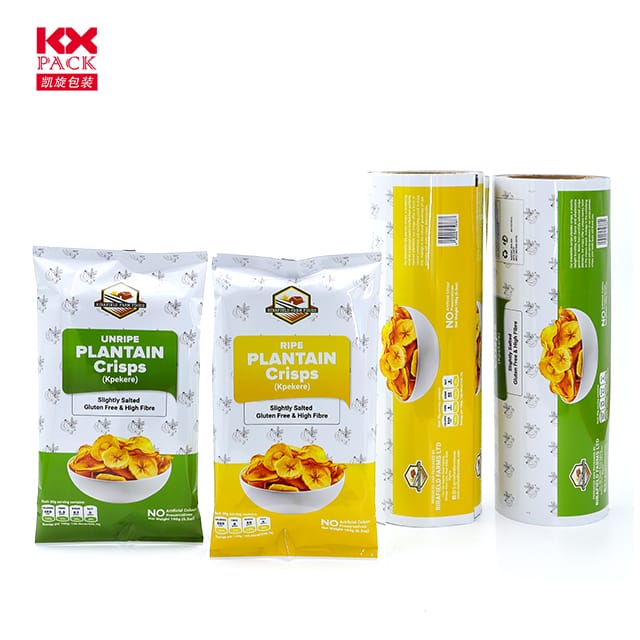
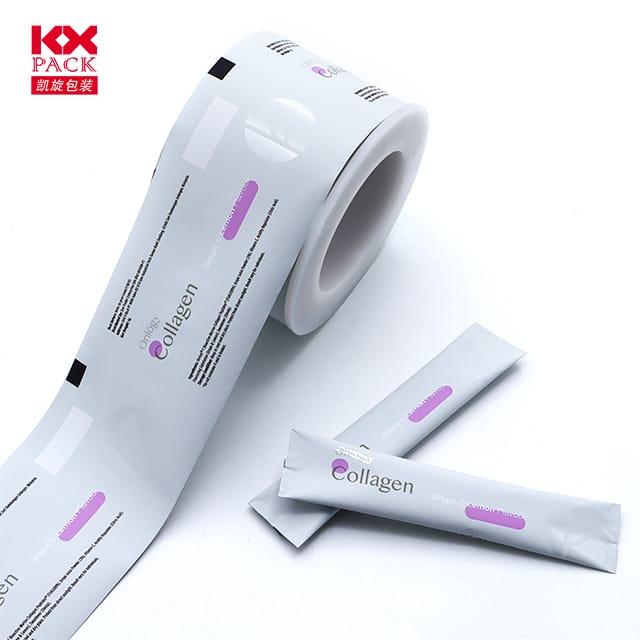
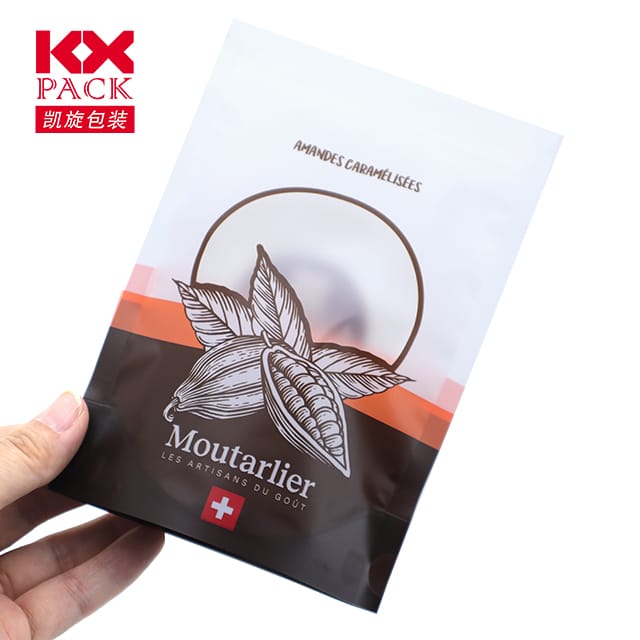
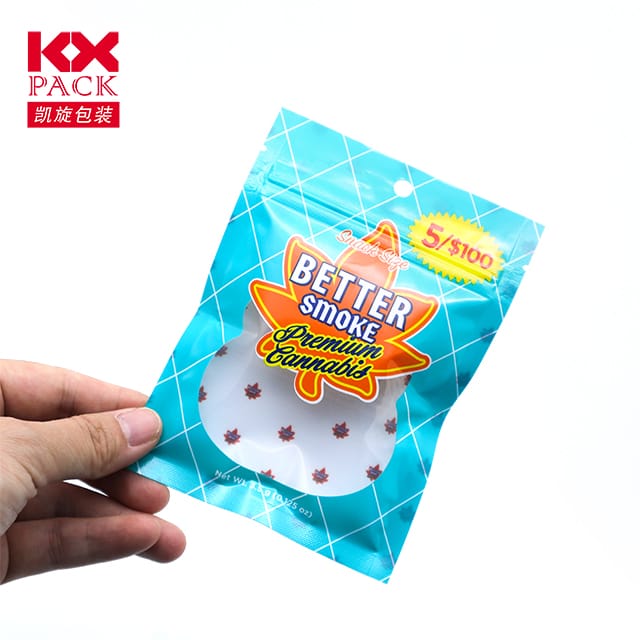
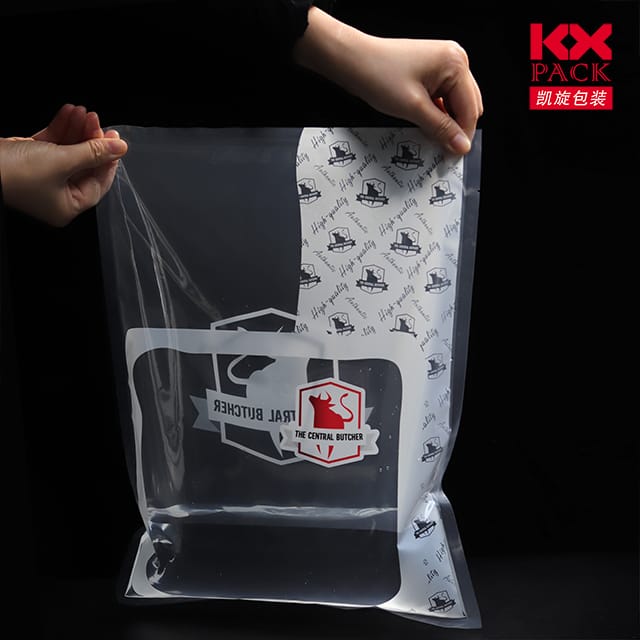
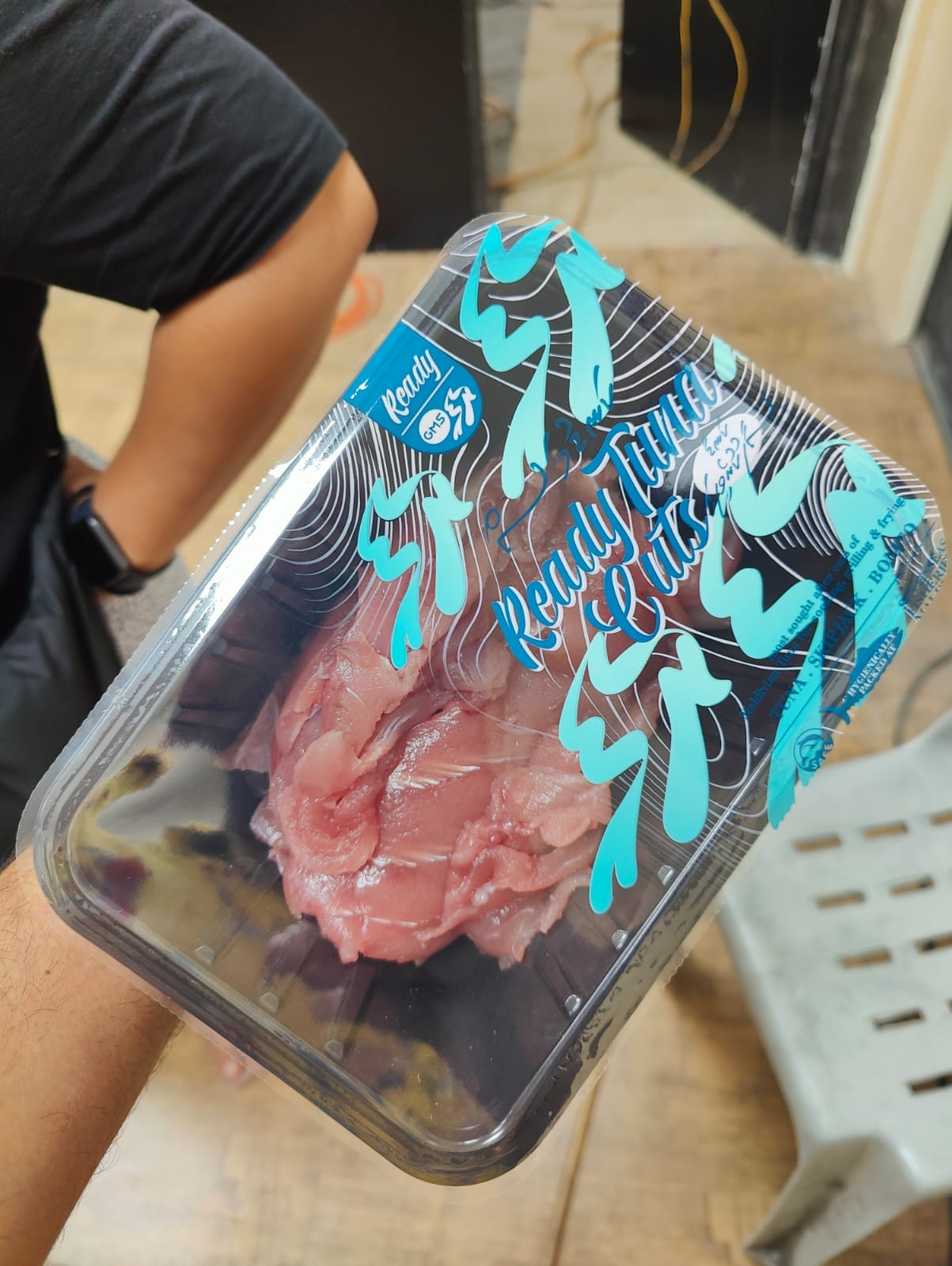
Flexible films packaging refers to lightweight, non-rigid materials used to encase products. Unlike traditional rigid containers, these films—often composed of polymers like polyethylene (پلی اتیلن), پلی پروپیلن (PP), or multi-layer composites—conform to the shape of their contents, minimizing waste and optimizing space.
ویژگی های کلیدی شامل:
- سبک وزن & بادوام: هزینه های حمل و نقل و ردپای کربن را کاهش می دهد.
- خاصیت سد: در برابر رطوبت محافظت می کند, اکسیژن, و نور, افزایش ماندگاری.
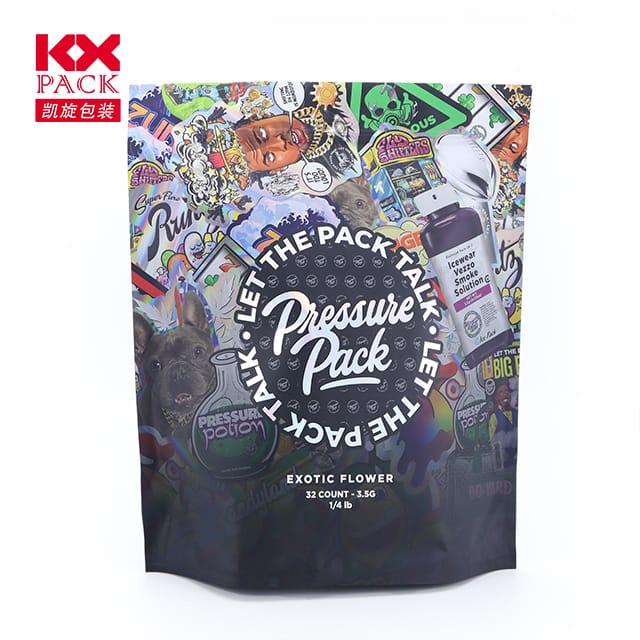
- قابلیت سفارشی سازی: قابل چاپ, sealable, and adaptable to diverse formats (کیسه ها, کیسه ها, می پیچد).
رشد بازار & Key Drivers
The global flexible packaging market was valued atدلار 210.62 میلیارد در 2023 و پیش بینی می شود که برسددلار 238.91 میلیارد توسط 2029, رشد در CAGR از2.12%. محرک های کلیدی شامل:
- Shift from Rigid to Flexible Solutions: Brands prioritize cost-efficiency and sustainability, favoring flexible films over heavier, less eco-friendly alternatives.
- رونق تجارت الکترونیک: Online retail demands lightweight, damage-resistant packaging for safe deliveries.
- مراقبت های بهداشتی & Food Demand: Pharmaceuticals and perishable goods require sterile, airtight packaging, fueling innovation in high-barrier films.
Innovations in Material Science
Recent advancements in flexible film technology focus onsustainability and performance:
- سازه های تک مادی: شرکت ها دوست دارند هوهتمکی are pioneering single-polymer films (به عنوان مثال, PE یا PP) برای ساده سازی بازیافت.
- فیلم های تخریب پذیر: ساخته شده از منابع تجدید پذیر (به عنوان مثال, پلا), these reduce plastic waste.
- پوشش های با مانع بالا: Advanced polymers like پلی وینیلیدین کلراید (پی وی سی) or ethylene vinyl alcohol (EVOH) enhance shelf life without compromising recyclability.
دینامیک منطقه ای
آسیا و اقیانوسیه بر بازار مسلط است, حسابداری برای58% of global volume in 2023, رانده شده توسط:
- Rapid Urbanization: Rising middle-class populations in China and India boost demand for packaged goods.
- E-commerce Expansion: Online shopping platforms like Alibaba and Flipkart rely on flexible films for efficient logistics.
- فشار نظارتی: Governments mandate eco-friendly packaging, accelerating adoption of recyclable/compostable films.
چالش ها & چشم انداز آینده
با وجود رشد, the sector faces hurdles:
- پیچیدگی بازیافت: جداسازی فیلم های چند لایه سخت است, complicating circular economy efforts.
- نوسانات مواد خام: Fluctuating polymer prices impact margins.
با این حال, the future looks promising:
- بسته بندی هوشمند: Films embedded with sensors for freshness tracking or anti-counterfeiting.
- طراحی دایره ای: Modular, reusable packaging systems that minimize waste.
- Collaborative Innovation: Partnerships between material scientists, مارک ها, and recyclers to close the loop.
نتیجه
Flexible films packaging is more than a convenience—it’s a strategic imperative for a sustainable future. As brands and consumers demand smarter, راه حل های سبزتر, this sector will continue to evolve, blending cutting-edge science with practical design. The road ahead? A balance of innovation, مسئولیت, and adaptability to meet the needs of a changing world.
Stay tuned for more insights on packaging trends—where science meets sustainability! 🌍📦✨
منابع: QYResearch, بازارها و بازارها, GlobeNewswire, Packaging World