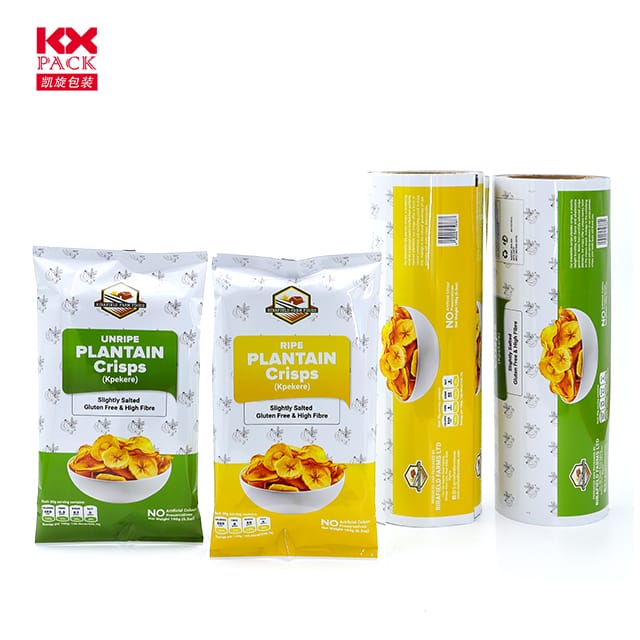
Jätkusuutliku innovatsiooni tõus: Kuidas pakkekilede tootjad tulevikku kujundavad
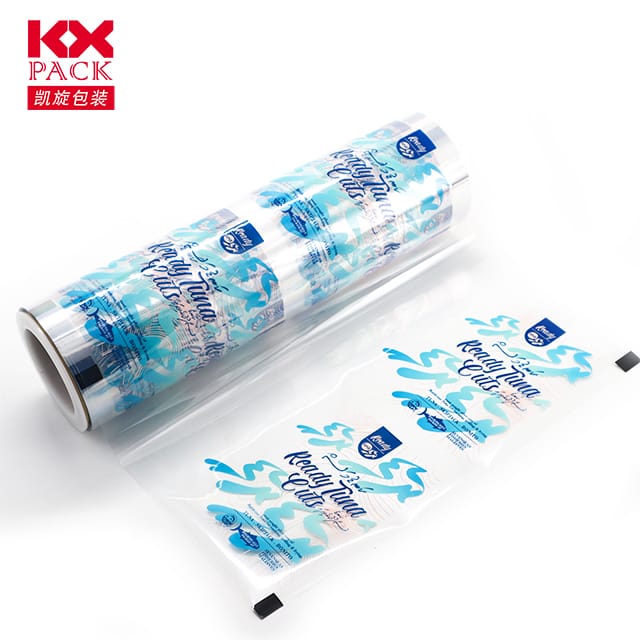
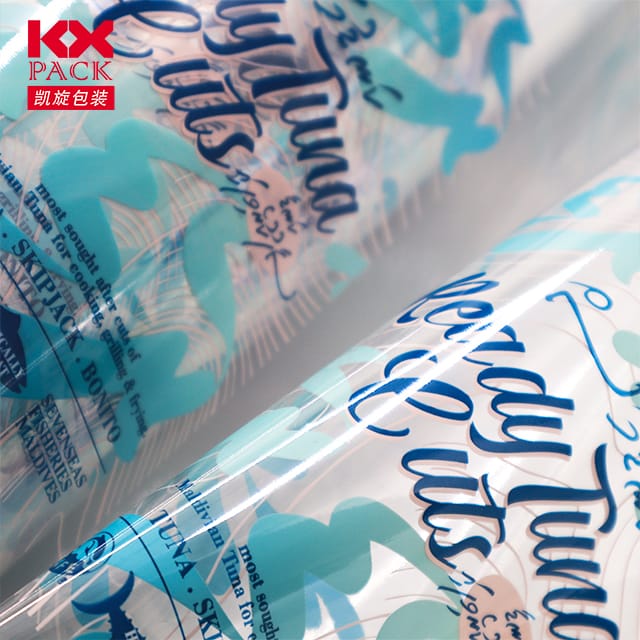
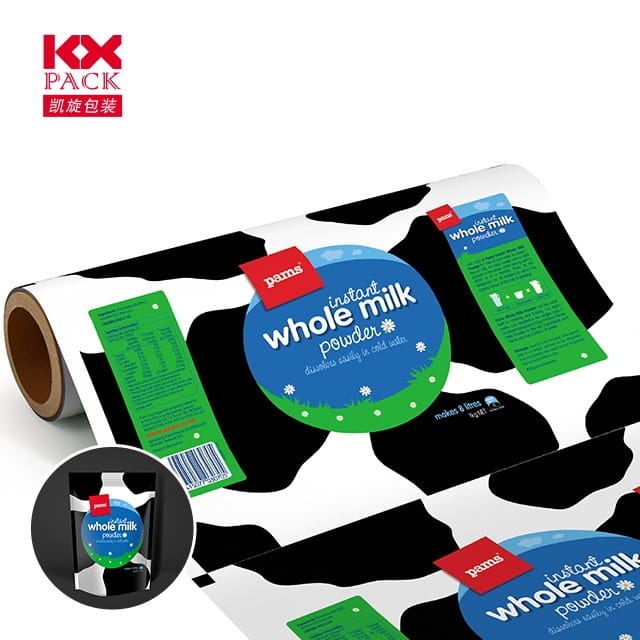
Pakendikiled
In an era where sustainability and efficiency dominate global supply chains, pakkekilede tootjad are at the forefront of a transformative shift. Need ettevõtted määratlevad uuesti paindlike pakendite rolli – alates ühekordselt kasutatavast plastist kuni intelligentse välja, keskkonnasõbralikud lahendused, mis tasakaalustavad funktsionaalsust keskkonnavastutusega. Let’s explore how leading manufacturers are driving this evolution and what it means for industries worldwide.
The Market Landscape: Growth Fueled by Innovation
The global packaging films market is projected to grow from105.4billio-st2024to159.7 miljard 2033, expanding at a4.7% CAGR. This surge is driven by:
- Food and beverage sectors: High-barrier films that extend shelf life and reduce waste.(Pakendikiled)
- E-commerce and logistics: Vastupidav, lightweight films for secure shipping.
- Healthcare and pharmaceuticals: Sterile, tamper-evident packaging for sensitive products.
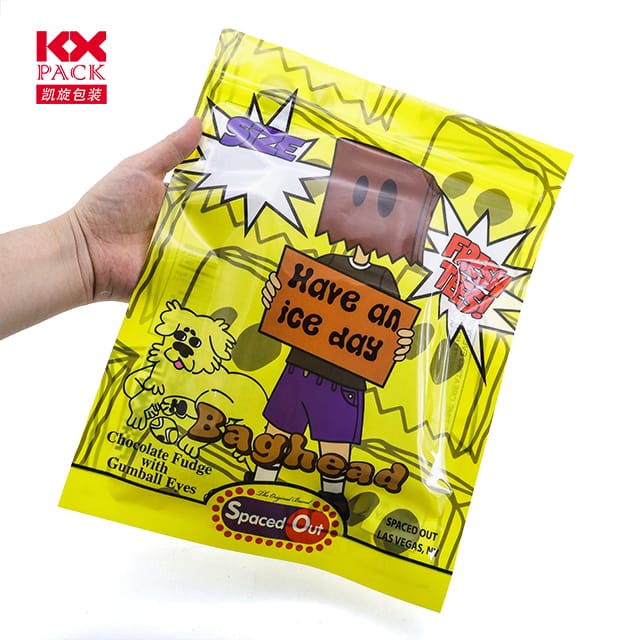
- Personal care and cosmetics: Flexible pouches and sachets that enhance convenience and reduce material use.
Turul domineerib Aasia ja Vaikse ookeani piirkond, arvestust58% of global demand, fueled by rapid urbanization, rising disposable incomes, and stringent sustainability regulations.
Jätkusuutlikkus: The Core of Modern Manufacturing
Packaging films manufacturers are under pressure to address plastic pollution while meeting consumer demand for recyclable, biolagunev, and compostable materials. Peamised uuendused hõlmavad:
- Mono-Material Films:
- Ettevõtted nagu Novel Packaging (Hiina) on teedrajavad PE-PE laminates that simplify recycling by using a single polymer type. Their pre-made pouches ja rollstock films offer excellent barrier properties while being fully recyclable.
- Jiangsu Comers Neo materjalid (Hiina) produces EOE-based easy-peel films with up to 99% recycled content, certified by APR (Association of Plastic Recyclers) for circular economy compliance.
- Biolagunevad alternatiivid:
- Researchers are developing bio-based polymers derived from renewable resources like starch or cellulose. Näiteks, 3D-printed biopolymer films are emerging as a sustainable alternative to traditional plastics in food packaging.
- High-Barrier, Low-Impact Solutions:
- Metallized films ja aluminum oxide (AlOx)-coated layers provide oxygen and moisture barriers without heavy metal use. Kontor pakkimine materiaalne integrates such technologies into its cling wrap films ja protective packaging for electronics.
Tehnoloogilised edusammud: Nutikas, Efektiivne, and Customizable
Manufacturers are leveraging cutting-edge technologies to enhance performance and reduce waste:
- Multilayer Co-Extrusion:
- 7- to 9-layer films (Nt, Comers Neo’s VARIOHEALTH™ for biomedical use) combine different materials to optimize strength, barjääriomadused, ja prinditavus.
- Nutikas pakkimine:
- Films embedded with RFID-märgised, temperatuuriandurid, or freshness indicators are revolutionizing supply chain transparency. Näiteks, Procter & Gamble uses intelligent films for single-use facial mask packs to track product integrity.
- High-Speed Automation:
- saksa keel Windmöller & Hölscher machinery enables 10,000 MT annual output sisse 100,000-grade GMP clean rooms, ensuring hygiene and efficiency for food and pharma applications.
Juhtumiuuringud: Leaders in Innovation
- Novel Packaging (Guangzhou, Hiina):
- Specializes in sustainable flexible packaging for food and FMCG brands. Their MDOPE films ja metallized BOPE offer high clarity and barrier performance while reducing plastic use by 30%.
- Jiangsu Comers Neo materjalid (Suzhou, Hiina):
- Focuses on biomedical and high-barrier packaging, with products like Agometa ™ asümmeetrilised PA -filmid for oxygen-sensitive drugs. Their Buffer Air ™ õhupadjafilmid replace Styrofoam in e-commerce, cutting shipping volume by 50%.
- Kontor pakkimine materiaalne (Zhejiang, Hiina):
- A pioneer in PE stretch films for pallet wrapping, their products feature anti-static coatings for electronics and high-temperature resistance for automotive parts.
Challenges and Future Trends
Vaatamata edusammudele, manufacturers face hurdles:
- Regulatory complexity: Vastavus EU’s PPWR (Packaging and Packaging Waste Regulation) ja Canada’s plastic ban requires constant adaptation.
- Material costs: Fluctuating prices for PET, Ettevaatlik olema, and BOPP impact profitability, driving investment in recycled feedstocks.
- Consumer expectations: Demand for transparent supply chains ja carbon-neutral packaging is pushing manufacturers to adopt blockchain tracking and renewable energy.
Looking ahead, the industry will prioritize:
- Closed-loop recycling systems for multi-material films.
- Plant-based coatings to replace traditional inks and adhesives.
- On-demand production via digitaalne printimine to minimize waste.
Järeldus: A Greener, Smarter Future
Packaging films manufacturers are no longer just suppliers—they’re innovators shaping a sustainable future. By integratingeco-design, nutikad tehnoloogiad, and circular economy principles, companies likeNovel Packaging, Comers Neo, and Ningbo Hongyan are proving that profitability and planetary health can coexist. As brands and consumers increasingly prioritize sustainability, the race to develop next-gen packaging films has never been more critical—or exciting.
Ready to explore partnerships? Reach out to leading manufacturers to future-proof your packaging strategy! 🌍📦
Märksõnad: pakkekilede tootjad, sustainable packaging, flexible packaging, biodegradable films, smart packaging, co-extrusion technology