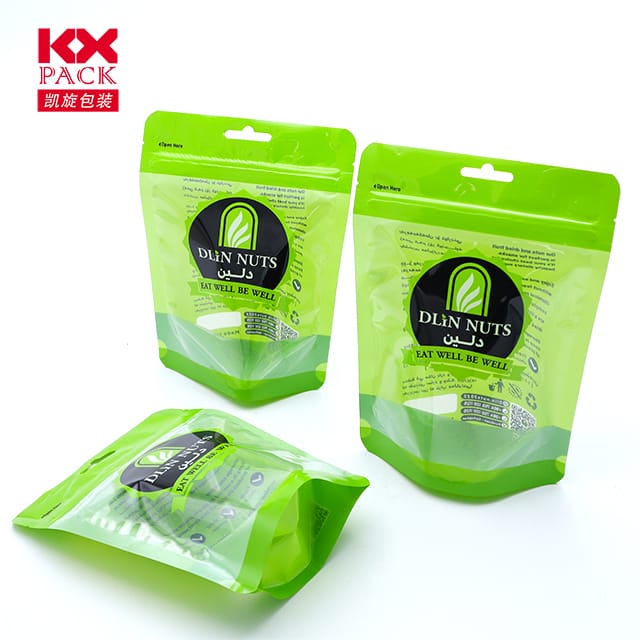
Película de envoltura de plástico: El héroe anónimo de la comodidad y su dilema medioambiental
Película de envoltura de plástico
From wrapping leftovers to sealing pallets for shipment, película de plástico para envolver (a menudo llamado film transparente, envoltura estirada, o envoltura de saran) Es una herramienta omnipresente pero subestimada en la vida moderna.. Su transparente, flexible, y sus propiedades adhesivas lo hacen indispensable en las cocinas., almacenes, y supermercados en todo el mundo. Pero a medida que crece la preocupación por la contaminación plástica, this handy material faces scrutiny over its environmental impact. Let’s explore its role, innovaciones, and sustainable alternatives.
The Many Faces of Plastic Wrapping Film
Plastic wrapping film comes in various forms, each tailored to specific needs:
- Food Wrap: Made from polyethylene (EDUCACIÓN FÍSICA) or polyvinylidene chloride (PVDC), tan delgado, stretchy film clings to surfaces, preserving freshness and preventing spills.
- Envoltura elástica: Used in logistics, this thicker, more elastic film secures boxes on pallets during transportation, protecting goods from damage and tampering.
- Shrink Wrap: Heated to shrink tightly around products, this film is popular for packaging bottles, latas, and even electronics.
Its versatility stems from its chemistry: most films are derived from petroleum-based polymers, which are lightweight, impermeable, and cost-effective to produce.
Por qué nos encanta: The Benefits of Plastic Wrap
- Preservación de alimentos: By creating an airtight seal, plastic film extends the shelf life of perishables, reducing food waste—a critical issue given that 1.3 billion tons of food are discarded globally each year.
- Higiene y Seguridad: In hospitals and restaurants, sterile plastic wraps protect medical equipment and ready-to-eat meals from contamination.
- Logistics Efficiency: Stretch wrap keeps pallets stable during transit, minimizing product damage and ensuring safe delivery.
- Rentabilidad: At just a few cents per meter, plastic film is cheaper than reusable alternatives like glass or silicone containers for short-term storage.
El lado oscuro: Environmental Concerns
A pesar de sus ventajas, plastic wrapping film poses significant ecological challenges:
- Dominio de un solo uso: Most food wrap is designed for one-time use, contributing to the 380 millones de toneladas of plastic waste generated annually.
- Non-Biodegradability: Traditional plastic films persist in landfills for centuries, breaking into microplastics that contaminate soil and waterways.
- Recycling Barriers: Thin and often contaminated with food residue, plastic wrap is rarely accepted by recycling programs. Less than 10% de todos los residuos plásticos se reciclan a nivel mundial.
- Wildlife Threat: Marine animals mistake plastic film for food, leading to ingestion, suffocation, or starvation.
Innovaciones y alternativas: Toward a Greener Future
La marea está cambiando, with researchers and companies developing eco-friendlier solutions:
- Películas biodegradables: Hecho de materiales a base de plantas como Cornstarch o Cassava, these films break down naturally in composting facilities. Marcas como Biobag y Tipo offer certified compostable wraps for food and packaging.
- Recubrimientos comestibles: Scientists are experimenting with edible films made from seaweed, starch, or proteins. These coatings can be consumed along with the food, eliminando los residuos por completo.
- Sistemas Reutilizables: Fundas de silicona para alimentos., envolturas de cera de abejas, and glass containers are gaining popularity as durable alternatives to single-use plastic.
- Recycling Advances: Empresas como dow y BASF are developing technologies to recycle mixed plastic films into new products, aunque la escalabilidad sigue siendo un desafío.
Consumer Tips: Reducing Plastic Wrap Waste
While systemic changes are crucial, individuals can also make a difference:
- Opte por reutilizables: Invest in silicone stretch lids, envolturas de cera de abejas, or airtight containers for food storage.
- Recycle Properly: Check local guidelines—some supermarkets accept clean plastic film for recycling.
- Choose Biodegradable Options: Look for products labeled “compostable” or “home-compostable.”
- Comprar a granel: Reduce packaging waste by purchasing larger quantities of dry goods and storing them in reusable jars.
Conclusión: Balancing Convenience and Sustainability
Plastic wrapping film exemplifies the double-edged sword of modern convenience: it solves immediate problems but creates long-term environmental risks. While innovations in biodegradable materials and recycling offer hope, the transition to sustainable alternatives requires collective action—from manufacturers redesigning products to consumers rethinking habits.
The next time you reach for plastic wrap, pregúntate a ti mismo: Is there a greener way to achieve the same goal? Small changes, multiplied by millions, can drive a plastic-free revolution.
What’s your favorite eco-friendly alternative to plastic wrapping film? Share your ideas in the comments below! 🌍💚