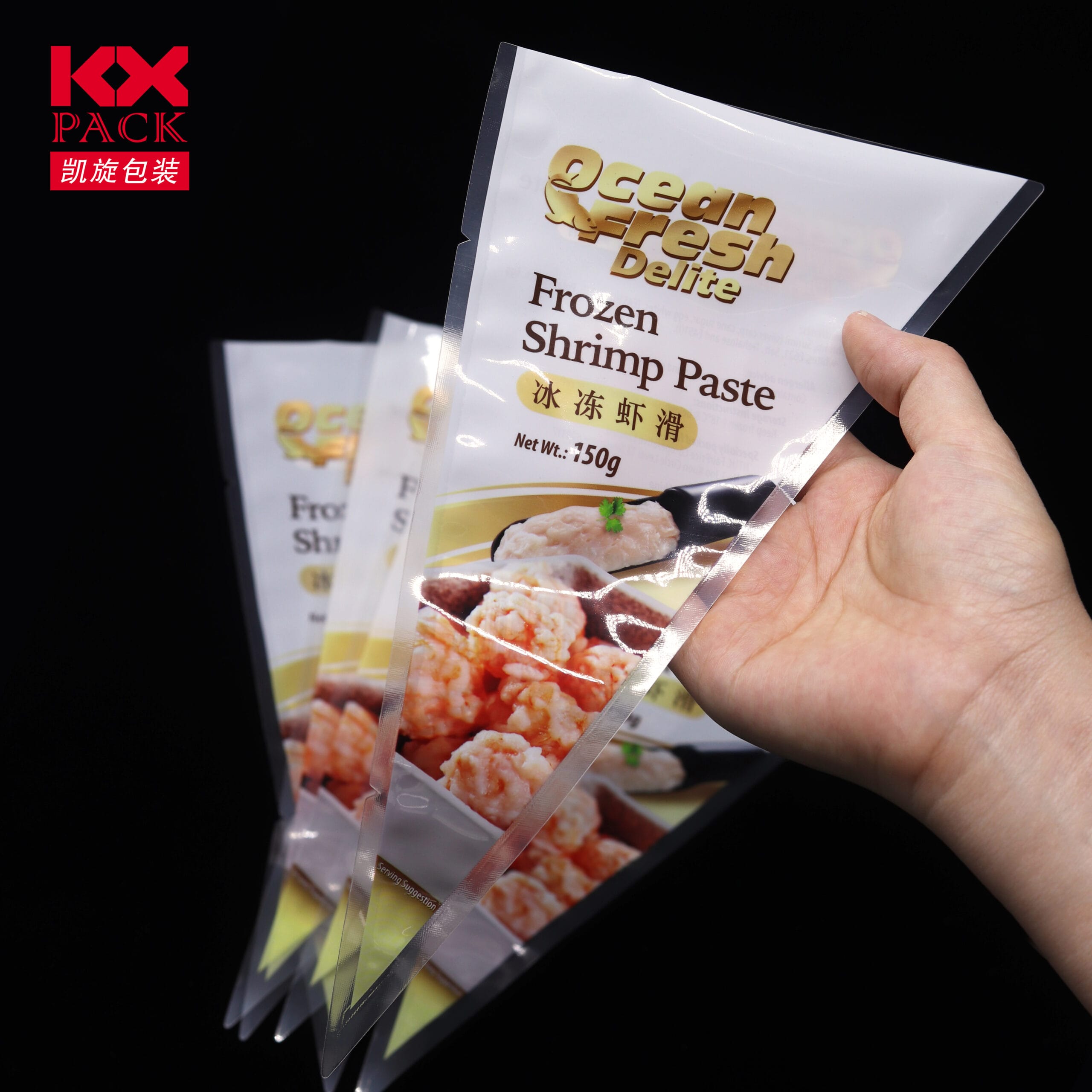
Reciclaje de envases & Reutilizar: Métodos prácticos para el hogar & Empresas
En una era marcada por una creciente conciencia medioambiental y la urgente necesidad de reducir los residuos, Reciclaje de envases & Reutilizar has emerged as a critical practice for both households and businesses. Los materiales de embalaje, que van desde cajas de cartón y recipientes de plástico hasta frascos de vidrio y latas de metal, representan una parte importante de los residuos mundiales., with millions of tons ending up in landfills, océanos, and incinerators each year. Sin embargo, through intentional Reciclaje de envases & Reutilizar strategies, individuals and organizations can minimize their environmental footprint, cut costs, and contribute to a more circular economy. Reciclaje de envases & Reutilizar is not merely a trend; it is a sustainable lifestyle and business model that aligns with global efforts to combat climate change and preserve natural resources. This article explores practical, actionable methods for Reciclaje de envases & Reutilizar tailored to homes and businesses, highlighting the benefits, desafíos, and best practices to maximize impact.
Before delving into specific methods, it is essential to understand why Reciclaje de envases & Reutilizar matters. For households, Reciclaje de envases & Reutilizar reduces the amount of waste sent to landfills, lowers utility bills by minimizing the need for new storage or packaging supplies, and fosters a sense of environmental responsibility. Por negocios, Reciclaje de envases & Reutilizar offers tangible economic benefits—such as reduced packaging costs, improved brand reputation among eco-conscious consumers, and compliance with increasingly strict environmental regulations. Además, Reciclaje de envases & Reutilizar plays a pivotal role in the circular economy, where materials are kept in use for as long as possible, extracting maximum value before being recycled into new products. By embracing Reciclaje de envases & Reutilizar, both homes and businesses can transition from a linear “take-make-waste” model to a more sustainable, circular approach.
To implement effective Reciclaje de envases & Reutilizar, it is first important to familiarize oneself with common packaging materials and their recyclability. Not all packaging is created equal—some materials are easily recyclable, while others require specialized processing, and some are better suited for reuse. Common packaging materials include paper and cardboard, el plastico, vaso, metal, and compostable materials. Each material has unique properties that influence Reciclaje de envases & Reutilizar methods. Por ejemplo, cardboard is highly recyclable and reusable, while certain types of plastic (such as PET and HDPE) are more recyclable than others (like PVC). Understanding these differences is the foundation of successful Reciclaje de envases & Reutilizar, as it ensures that materials are handled correctly to avoid contamination and maximize their lifecycle.
Reciclaje de envases & Reuse Methods for Homes
Households generate a steady stream of packaging waste from groceries, online shopping, and daily purchases, haciendo Reciclaje de envases & Reutilizar a simple yet impactful way to reduce waste. Below are practical methods for integrating Reciclaje de envases & Reutilizar into home life, organized by material type.
Paper and cardboard are among the most common packaging materials and offer numerous Reciclaje de envases & Reutilizar opportunities. For reuse, cardboard boxes can be repurposed for storage—ideal for organizing closets, garages, or pantry items. Smaller cardboard boxes are perfect for shipping gifts or selling items online, eliminating the need to purchase new shipping boxes. Paper packaging, such as wrapping paper, tissue paper, and cereal boxes, can be reused as gift wrap, craft materials for children’s projects, or liners for pet cages. For recycling, ensure that paper and cardboard are clean and dry (free of food stains, grasa, or tape) before placing them in recycling bins. Flatten cardboard boxes to save space and prevent contamination. Many local recycling programs accept paper and cardboard, and some even offer curbside pickup, haciendo Reciclaje de envases & Reutilizar convenient for homeowners.
Plastic packaging is ubiquitous in modern households, but it is also a major environmental concern—making responsible Reciclaje de envases & Reutilizar crucial. For reuse, plastic containers (such as those used for food, detergentes, or personal care products) can be washed thoroughly and repurposed as storage for leftovers, aperitivos, or household items like nails and screws. Plastic bags (when clean and dry) can be reused for grocery shopping, pet waste disposal, or lining small trash cans. Sin embargo, it is important to note that not all plastic bags are recyclable through curbside programs; many grocery stores and retailers offer plastic bag recycling bins, providing an additional Reciclaje de envases & Reutilizar option. For recycling plastic containers, check the resin identification code (a number 1-7) on the bottom of the container. Numbers 1 (MASCOTA) y 2 (HDPE) are widely recyclable, while numbers 3-7 may have limited recycling options. Always rinse plastic containers to remove food residue, as contamination can ruin entire batches of recycled material. Al priorizar Reciclaje de envases & Reutilizar for plastic, households can reduce the amount of plastic waste that ends up in oceans and landfills.
Glass packaging is highly durable and infinitely recyclable, making it an excellent candidate for Reciclaje de envases & Reutilizar. For reuse, glass jars and bottles can be repurposed as food storage containers (for jams, spices, or grains), vases for flowers, candle holders, or even drinking glasses. Many households also use glass containers for homemade gifts, such as infused oils or homemade jams, adding a personal touch while reducing waste. For recycling, glass can be sorted by color (clear, green, brown) to ensure higher-quality recycled material, though some recycling programs accept mixed glass. Rinse glass containers to remove food or liquid residue, and remove any non-glass components (such as metal lids or plastic caps) before recycling. Unlike plastic, glass does not degrade during the recycling process, so Reciclaje de envases & Reutilizar of glass can have a long-lasting positive impact on the environment.
Metal packaging—including aluminum cans, steel cans, and tin containers—offers excellent Reciclaje de envases & Reutilizar potential. For reuse, aluminum cans can be repurposed as planters for small herbs, pencil holders, or craft projects. Steel and tin containers are ideal for storage, as they are durable and airtight—perfect for holding dry goods, tools, or sewing supplies. Some households even reuse metal cans as outdoor lanterns by punching holes in the sides and placing a candle inside. For recycling, metal cans should be rinsed to remove food residue and flattened to save space. Aluminum cans are highly recyclable and can be processed into new cans in as little as 60 días, haciendo Reciclaje de envases & Reutilizar of metal a fast and effective way to reduce waste. Most curbside recycling programs accept aluminum and steel cans, and some scrap metal facilities even pay for aluminum cans, providing an incentive for households to prioritizeReciclaje de envases & Reutilizar.
Compostable packaging—made from materials like paper, cartulina, maicena, or sugarcane—is designed to break down in compost environments, offering a sustainable Reciclaje de envases & Reutilizar alternative. For households with a compost bin or pile, envases compostables (such as food containers, coffee cups, or produce bags) can be added to the compost, where it will decompose into nutrient-rich soil for gardens or houseplants. It is important to note that compostable packaging requires specific conditions (humedad, heat, oxígeno) to decompose properly, so it may not break down in regular landfills. For households without compost, check if local waste management programs offer composting services. Reuse of compostable packaging is limited, as it is often designed for single use, but it can be used multiple times for dry goods before being composted. By incorporating compostable packaging into Reciclaje de envases & Reutilizar routines, households can further reduce their environmental impact.
Reciclaje de envases & Reuse Methods for Businesses
Businesses—especially those in retail, comercio electrónico, fabricación, and food service—generate large volumes of packaging waste, haciendo Reciclaje de envases & Reutilizar a critical component of their sustainability strategies. Implementing Reciclaje de envases & Reutilizar not only benefits the environment but also improves operational efficiency and enhances brand reputation. Below are tailored methods for businesses to adopt Reciclaje de envases & Reutilizar.
For e-commerce and retail businesses, shipping packaging is a major source of waste—making Reciclaje de envases & Reutilizar a top priority. One effective strategy is to reuse shipping boxes and packaging materials (such as bubble wrap, packing peanuts, and air pillows) from incoming shipments. Many e-commerce businesses set up designated storage areas for used packaging materials, ensuring that they are clean and in good condition for reuse. Además, businesses can switch to reusable packaging options, such as durable plastic or cardboard crates for bulk shipments, or reusable mailers made from recycled materials. For recycling, businesses should partner with local recycling providers to set up dedicated bins for cardboard, el plastico, and metal packaging. Some businesses even offer customers incentives to return packaging for reuse—such as discounts or loyalty points—encouraging a circular approach to Reciclaje de envases & Reutilizar.
Manufacturing businesses often use specialized packaging to protect products during production and shipping, but this packaging can be integrated into Reciclaje de envases & Reutilizar programs. Por ejemplo, wooden pallets—used to transport bulk goods—can be repaired and reused multiple times before being recycled into wood chips or mulch. Plastic or metal packaging used for raw materials can be collected, cleaned, and reused for future shipments. Manufacturing facilities can also implement a closed-loop Reciclaje de envases & Reutilizar system, where packaging materials are collected from customers, processed, and reused in the production cycle. This not only reduces waste but also lowers packaging costs, as businesses do not need to purchase new materials for every shipment. Además, manufacturing businesses can work with suppliers to reduce excessive packaging, further supporting Reciclaje de envases & Reutilizar efforts.
Food service businesses—including restaurants, cafés, and grocery stores—generate significant amounts of packaging waste from takeout containers, food wrappers, and beverage cups. Reciclaje de envases & Reutilizar in this sector requires careful planning to avoid contamination from food residue. For reuse, some food service businesses offer customers discounts for bringing their own reusable containers, tazas, or bags—reducing the need for single-use packaging. Disposable containers made from recyclable materials (como papel, cartulina, or compostable plastic) should be clearly labeled to encourage customers to recycle them. For in-house Reciclaje de envases & Reutilizar, food service businesses can separate clean packaging materials (such as unsoiled cardboard boxes for deliveries) from contaminated ones, ensuring that recyclable materials are not ruined by food waste. Many food service businesses also partner with composting services to dispose of compostable packaging, diverting waste from landfills and supporting Reciclaje de envases & Reutilizar goals.
Retail businesses—beyond e-commerce—can implement Reciclaje de envases & Reutilizar strategies in their stores and distribution centers. Por ejemplo, clothing retailers can reuse hangers, garment bags, and shipping boxes for inventory management and customer purchases. Some retailers even offer customers the option to forgo packaging (such as bags for small items) or use reusable bags provided by the store. In distribution centers, retail businesses can set up recycling stations for different packaging materials, train employees on proper sorting techniques, and track packaging waste to identify areas for improvement. Además, retail businesses can collaborate with other businesses in the same area to share Reciclaje de envases & Reutilizar resources—such as bulk recycling pickups—reducing costs and increasing efficiency. By makingReciclaje de envases & Reutilizar a core part of their operations, retail businesses can appeal to eco-conscious consumers and differentiate themselves from competitors.
Overcoming Challenges in Packaging Recycling & Reutilizar
Mientras Reciclaje de envases & Reutilizar offers numerous benefits, it is not without challenges. For both homes and businesses, common barriers include lack of knowledge about recyclability, contamination of materials, limited access to recycling facilities, and the convenience of single-use packaging. Sin embargo, these challenges can be overcome with education, planning, and commitment.
Contamination is one of the biggest obstacles to effective Reciclaje de envases & Reutilizar. Even a small amount of food residue or non-recyclable material can contaminate an entire batch of recycled materials, rendering them unusable. To address this, households and businesses should prioritize cleaning packaging materials before recycling or reusing them. Por ejemplo, rinsing plastic containers, wiping down cardboard boxes, and removing non-recyclable components (like tape or labels) can significantly reduce contamination. Education is also key—providing clear guidelines on what can and cannot be recycled, and how to properly prepare materials for Reciclaje de envases & Reutilizar. Businesses can train employees on sorting techniques, and households can refer to local recycling program guidelines to ensure compliance.
Limited access to recycling facilities can also hinder Reciclaje de envases & Reutilizar efforts, especially in rural areas. For households, this may mean traveling to a recycling drop-off center instead of using curbside pickup. Businesses can address this by partnering with private recycling companies that offer pickup services, or by joining community recycling programs. Además, advocating for improved recycling infrastructure in local areas can help expand access to Reciclaje de envases & Reutilizar resources. For reuse, households and businesses can focus on materials that do not require external facilities—such as repurposing cardboard boxes or glass jars—reducing reliance on recycling programs.
The convenience of single-use packaging is another challenge, as many people and businesses prioritize speed and ease over sustainability. To overcome this, households can keep reusable containers, bolsas, and bottles readily available (such as in purses, backpacks, or cars) to avoid relying on single-use packaging. Businesses can invest in reusable packaging solutions that are both convenient and cost-effective—such as reusable mailers for e-commerce or durable containers for food service. Con el tiempo, Reciclaje de envases & Reutilizar becomes a habit, and the convenience of sustainable practices outweighs the initial effort.
The Future of Packaging Recycling & Reutilizar
As environmental regulations become stricter and consumer demand for sustainable products grows, Reciclaje de envases & Reutilizar will continue to evolve and expand. Innovations in packaging materials—such as biodegradable plastics, plant-based packaging, and reusable packaging systems—will make Reciclaje de envases & Reutilizar more accessible and effective. Por ejemplo, some companies are developing reusable packaging that can be returned, cleaned, and reused hundreds of times, while others are creating packaging that can be composted at home without specialized equipment.
Technology will also play a role in advancing Reciclaje de envases & Reutilizar. Por negocios, digital tools can help track packaging waste, optimize recycling and reuse processes, and identify areas for improvement. For households, apps can provide real-time information on recyclability, local recycling facilities, and creative reuse ideas. Además, advancements in recycling technology—such as chemical recycling for hard-to-recycle plastics—will expand the range of packaging materials that can be recycled, further supporting Reciclaje de envases & Reutilizar efforts.
Collaboration between governments, businesses, and individuals is essential to scaling Reciclaje de envases & Reutilizar globally. Governments can implement policies that encourage Reciclaje de envases & Reutilizar, such as extended producer responsibility (EPR) laws, which hold manufacturers accountable for the entire lifecycle of their packaging. Businesses can work together to develop industry-wide Reciclaje de envases & Reutilizar standards and share best practices. Individuals can advocate for sustainable packaging options, support businesses that prioritize Reciclaje de envases & Reutilizar, and integrate these practices into their daily lives.
En conclusión, Reciclaje de envases & Reutilizar is a practical, impactful way for homes and businesses to reduce waste, cut costs, and contribute to a more sustainable future. By understanding the recyclability of different materials, implementing tailored reuse and recycling methods, and overcoming common challenges, individuals and organizations can make Reciclaje de envases & Reutilizar a core part of their daily operations. For households, this means repurposing glass jars for storage, recycling cardboard boxes, and composting food packaging. Por negocios, this means reusing shipping materials, investing in reusable packaging systems, and training employees on proper sorting techniques.Reciclaje de envases & Reutilizar is not a one-time effort but a continuous commitment to sustainability—one that benefits the environment, the economy, and future generations.
As we move toward a more circular economy, Reciclaje de envases & Reutilizar will become increasingly important. Every reused box, recycled can, and composted container contributes to a larger movement to reduce waste and protect our planet. Whether you are a homeowner looking to make small changes or a business owner seeking to transform your operations, Reciclaje de envases & Reutilizar offers a path to sustainability that is both achievable and rewarding. Start small, stay consistent, and let Reciclaje de envases & Reutilizar be your guide to a more sustainable lifestyle and business model.