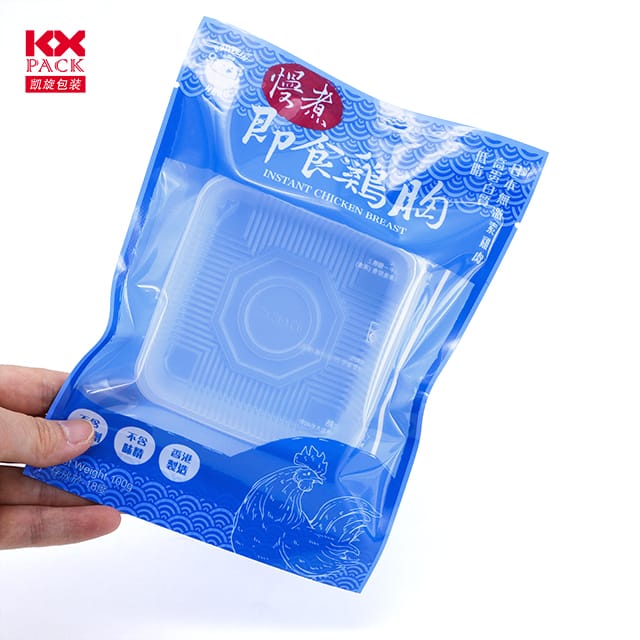
El auge de los fabricantes de películas para envases flexibles: Pioneros en sostenibilidad e innovación en envases modernos
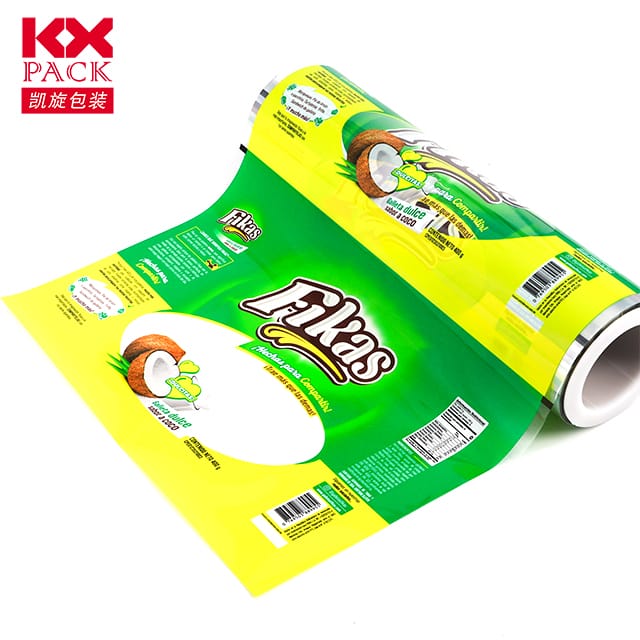
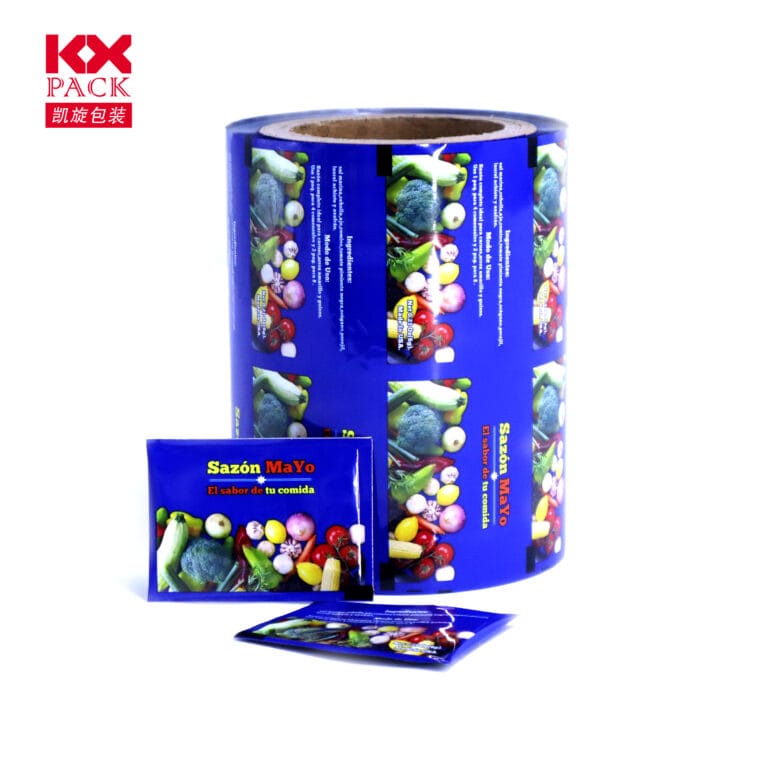
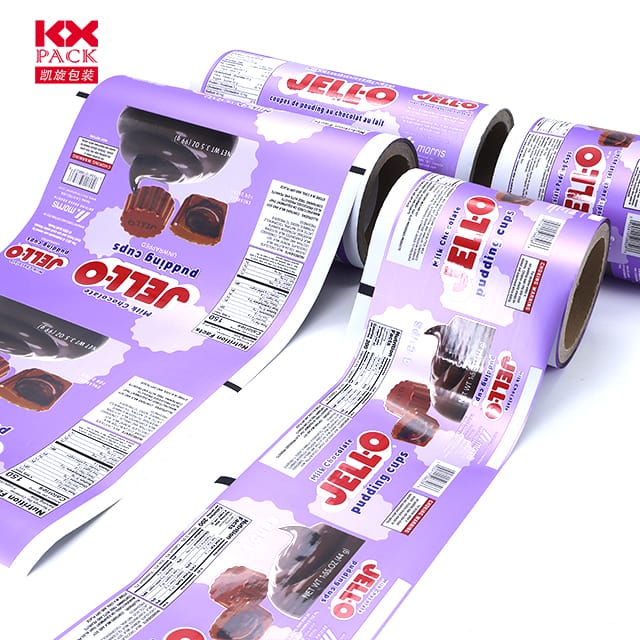
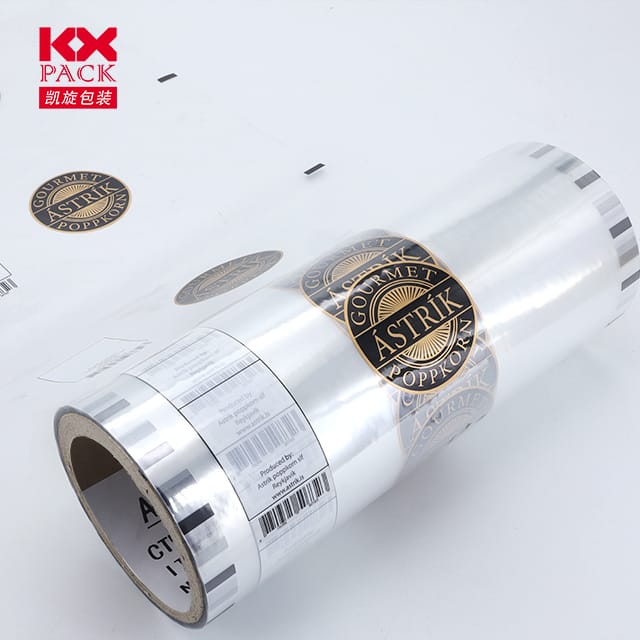
Película de embalaje flexible
In an era where convenience, sostenibilidad, y la rentabilidad impulsan las demandas industriales y de los consumidores, flexible packaging film manufacturers have emerged as key players in reshaping the global packaging landscape. Estas empresas se especializan en producir peso ligero., Materiales adaptables que protegen los productos minimizando el impacto ambiental.. Desde alimentos y bebidas hasta productos farmacéuticos y electrónicos, flexible films are revolutionizing how goods are packaged, stored, and delivered. Exploremos las tendencias, desafíos, and innovations defining this dynamic industry.
Why Flexible Packaging? The Advantages Speak Volumes
Flexible packaging films—made from materials like polyethylene (EDUCACIÓN FÍSICA), polipropileno (PÁGINAS), poliéster (MASCOTA), and biodegradable laminates—offer unmatched versatility. Unlike rigid packaging (P.EJ., glass or metal), these films can be molded into pouches, bolsas, envolturas, or liners, adapting to products of all shapes and sizes. Key benefits include:
- Reduced Material Use: Lightweight films lower shipping costs and carbon footprints.
- Vida útil extendida: Advanced barrier properties protect against moisture, oxígeno, y luz ultravioleta, Preservar la frescura.
- Consumer Convenience: Cremalleras resellables, caños, and easy-tear features enhance usability.
- Brand Visibility: High-quality printing options allow for vibrant, eye-catching designs.
Sostenibilidad: The Core Challenge and Opportunity
As global awareness of plastic pollution grows, flexible packaging film manufacturers are under pressure to innovate. Traditional single-use plastics face backlash, but the industry is responding with eco-friendly solutions:
- Películas biodegradables y compostables: Made from plant-based materials like polylactic acid (PLA), Estas películas se descomponen naturalmente en condiciones específicas..
- Recyclable Laminates: Multi-layer films are being redesigned for easier recycling, while chemical recycling technologies convert waste back into raw materials.
- Reciclado posterior al consumo (PCR) Contenido: Manufacturers are incorporating recycled plastics into new films, reducing reliance on virgin materials.
Companies like Amcor, Bemis, and Sealed Air are leading the charge, setting ambitious goals to achieve 100% recyclable or reusable packaging by 2025–2030.
Technological Advancements Driving the Future
The flexible packaging sector is a hotbed of innovation, with manufacturers investing in:
- Embalaje inteligente: Films embedded with sensors or QR codes that track freshness, authenticate products, or engage consumers via apps.
- Películas de alta cosrera: Nanotechnology and advanced coatings enhance protection for sensitive goods like coffee, aperitivos, y suministros médicos.
- Impresión digital: On-demand, short-run printing reduces waste and enables hyper-personalized branding.
- Automated Production: AI-powered machinery optimizes material usage and speeds up manufacturing, meeting the demands of e-commerce and fast-moving consumer goods (FMCG).
Market Trends and Global Outlook
Se prevé que el mercado mundial de envases flexibles alcance$350 mil millones por 2030, impulsado por:
- Rising e-commerce sales: Demand for lightweight, durable shipping materials.
- Urbanization and busy lifestyles: Pre-portioned, on-the-go packaging solutions.
- Health and safety concerns: Higiénico, tamper-evident films for pharmaceuticals and food delivery.
Asia-Pacific leads growth, with countries like China and India investing in flexible packaging infrastructure to serve their vast consumer bases. Mientras tanto, Europe and North America focus on regulatory compliance and circular economy initiatives.
Choosing the Right Manufacturer: Key Considerations
For brands seeking aflexible packaging film manufacturer, partnering with a reliable, innovative supplier is critical. Buscar:
- Certificaciones: Compliance with FDA, UE, and other safety standards.
- Capacidades de personalización: Ability to tailor film thickness, barriers, and features to your product.
- Compromiso de sostenibilidad: Transparency in sourcing and waste reduction practices.
- Escalabilidad: Flexibility to handle small batches or large-volume orders efficiently.
Pensamientos finales: Flexibility Meets Responsibility
The future of packaging is flexible—but it must also be responsible. As manufacturers continue to innovate, the focus remains on balancing performance, costo, and planetary health. By embracing circular economy principles and cutting-edge technology, flexible packaging film manufacturers are not just adapting to change; they’re driving it.
Is your brand ready to make the switch to smarter, greener packaging? Comparta sus pensamientos o preguntas en los comentarios a continuación! 🌍📦