La Evoluo kaj Daŭra Graveco de Presa Filmo en Moderna Industrio(4)
Presanta Filmo
Enkonduko
In the ever-evolving world of print technology, kie ciferecaj solvoj dominas titolojn, the humblepresa filmo remains a quiet workhorse behind countless high-quality products. De viglaj pakaj dezajnoj ĝis komplikaj industriaj etikedoj, presa filmo funkcias kiel la kritika ponto inter cifereca kreivo kaj palpebla produktaĵo. Ĉi tiu artikolo esploras ĝiajn tipojn, Aplikoj, and why it continues to thrive amidst technological shifts.
1. Unraveling the Types of Printing Films
Printing films are engineered for specific printing methods and substrates, each with unique characteristics:
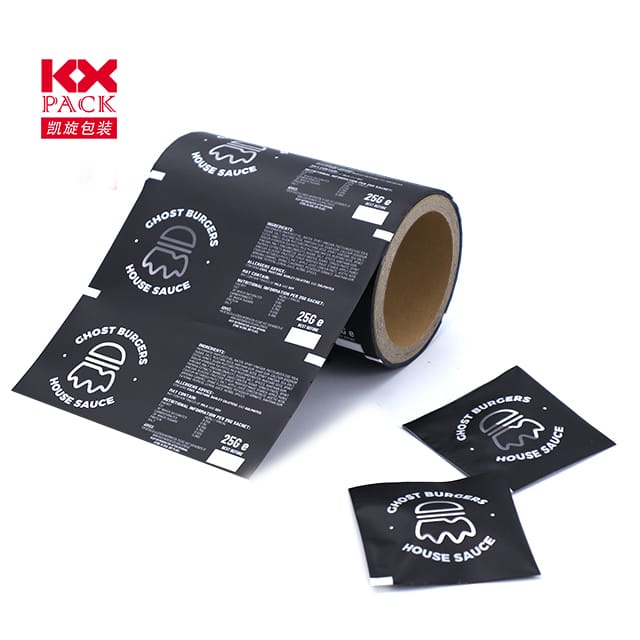
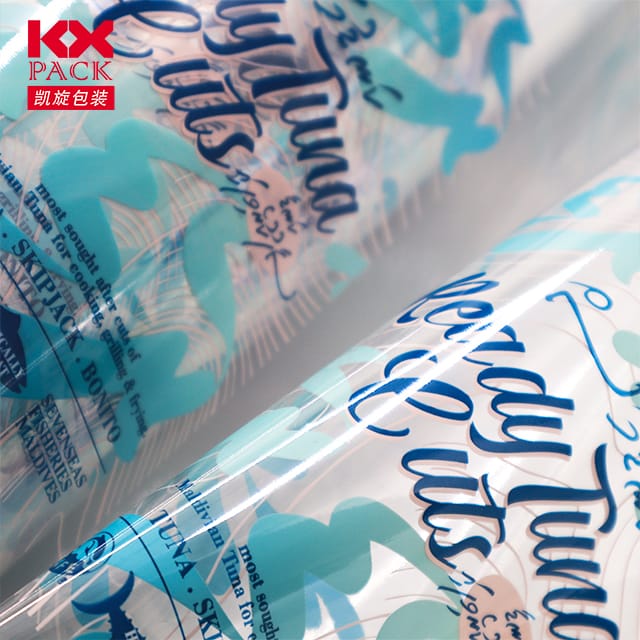
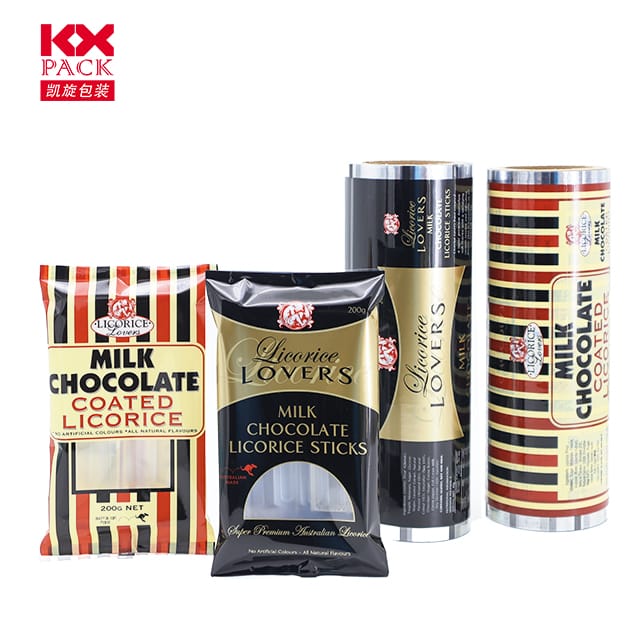
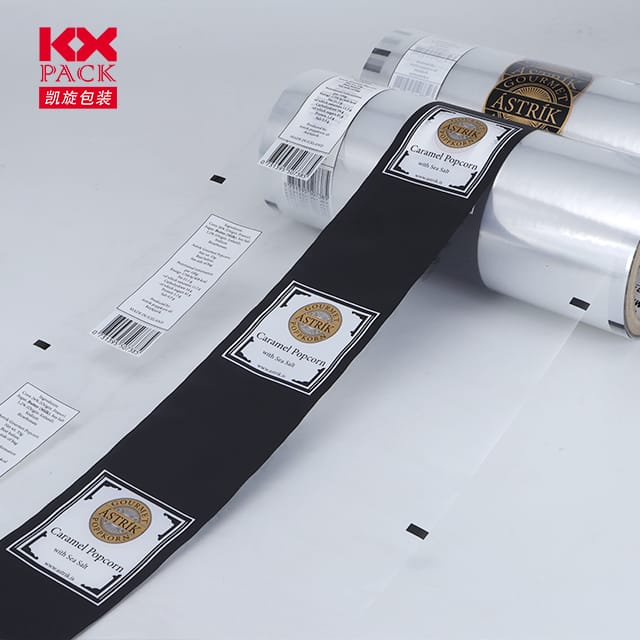
- Flexographic Films: Ideal for flexible packaging (T.e., manĝsakoj, sakoj), these films offer high-speed printability and durability.
- Gravure Films: Used in high-volume applications like magazine covers, they provide exceptional detail and color consistency.
- Screen Printing Films: Perfect for textiles, ceramics, and promotional items, they excel at handling thick inks and uneven surfaces.
- Offset Litho Films: Still favored for high-resolution commercial prints, they ensure precision on paper and cardboard.
Novigoj kielwater-washable kajeco-solvent films now address sustainability concerns, reducing chemical waste in pre-press processes.
2. Key Applications Shaping Industries
The versatility of printing film drives diverse sectors:
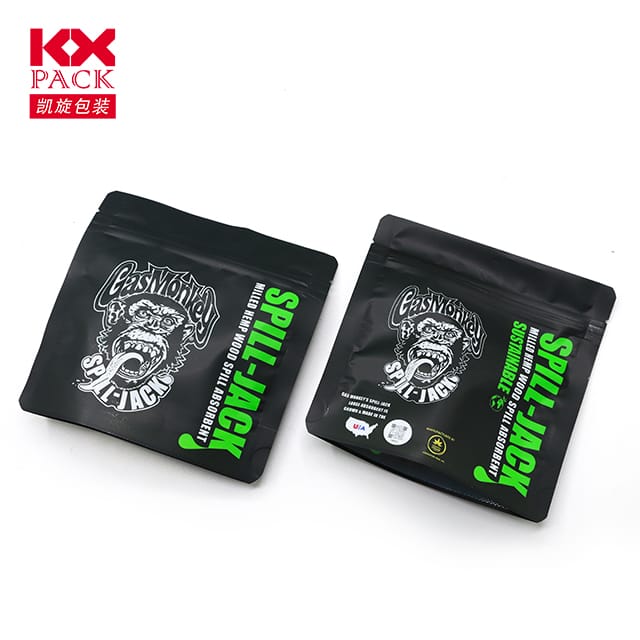
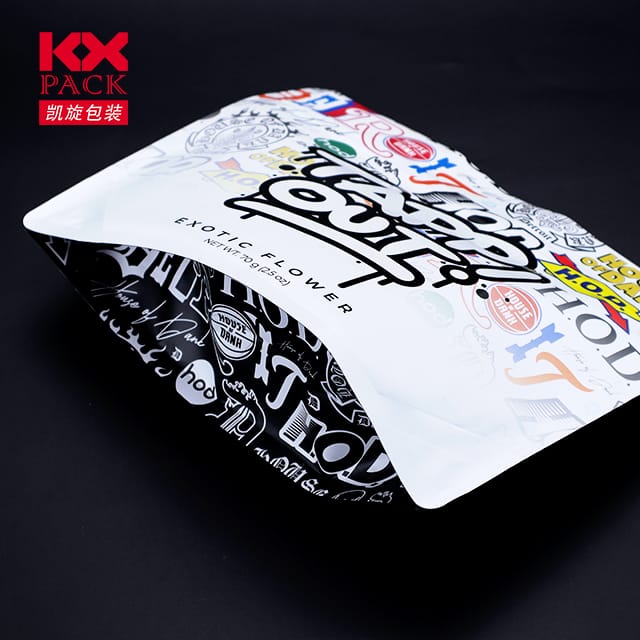
- Pakado: From food labels to luxury cosmetics, films enable smudge-resistant designs and extended shelf life.
- Textiles: Heat-transfer films allow vivid patterns on apparel, while direct-to-garment (DTG) films cater to small-batch customization.
- Industria & Sekureco: Durable films create weather-resistant signage, automotive decals, and safety labels.
- Elektroniko: Specialty films facilitate printing of conductive circuits for PCBs and flexible displays.
3. The Digital Revolution: Friend or Foe?
While digital printing eliminates the need for physical film in some workflows, traditional printing film still reigns in:
- Hibridaj Laborfluoj: Many printers combine digital design with analog film for color proofing and plate-making.
- Textured Substrates: Films adapt better to uneven materials like canvas or corrugated cardboard.
- Kosto-Efikeco: For long runs, analog printing with film remains more economical than digital alternatives.
4. Daŭripovo: The Future Frontier
The industry is pivoting toward greener practices:
- Biodegradeblaj filmoj: Made from PLA or cellulose, these reduce environmental impact post-use.
- Recikleblaj materialoj: Films compatible with standard recycling streams minimize landfill waste.
- Energy-Efficient Processes: Water-based inks and UV-LED curing systems cut energy consumption.
Konkludo
Printing film may not grab headlines like 3D printing or AI, but its role as a foundational tool in print innovation is irreplaceable. As industries balance digital agility with traditional reliability, printing film will continue to evolve—quieter, perhaps, but no less vital. For businesses seeking to merge creativity with practicality, understanding this unsung hero of print technology remains key to unlocking high-quality, sustainable, and visually stunning results.
#PrintingFilm #PrintTechnology #SustainablePrinting