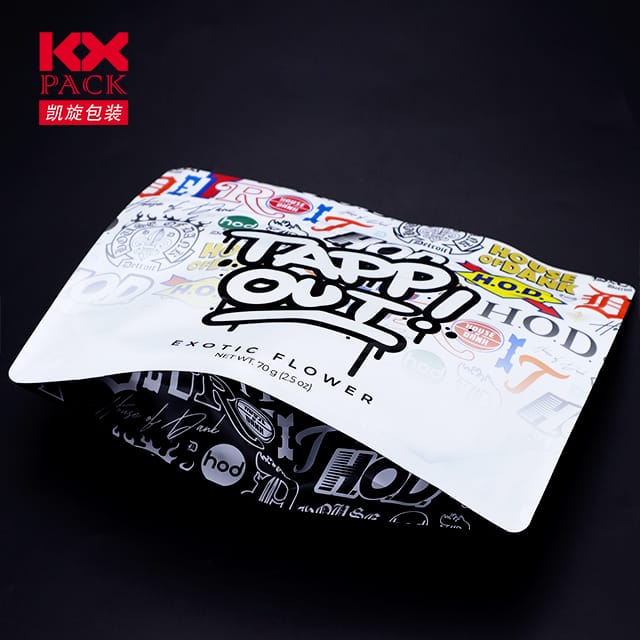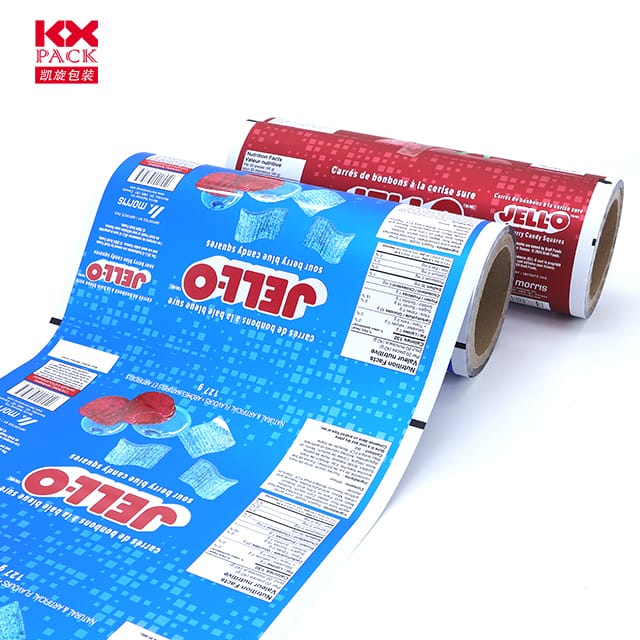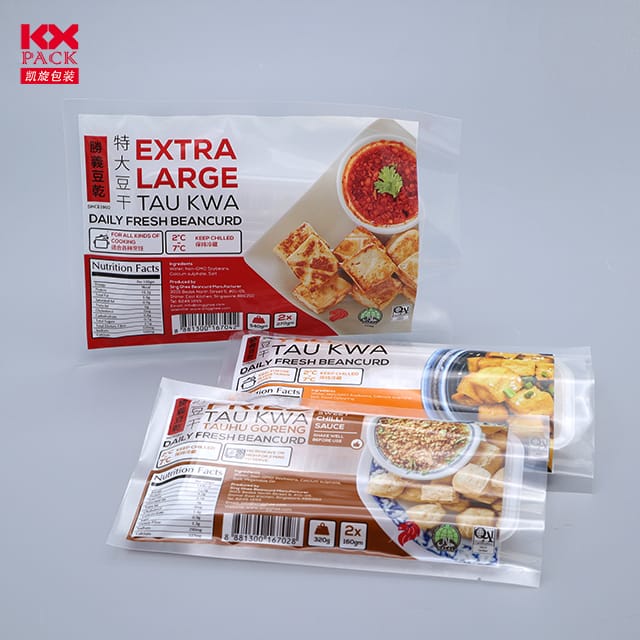
La rolo kaj evoluo de manĝaĵa paka plasta rulfilmo: Ekvilibra sekureco, Daŭripovo, kaj novigado (3)
Plasta rulfilmo
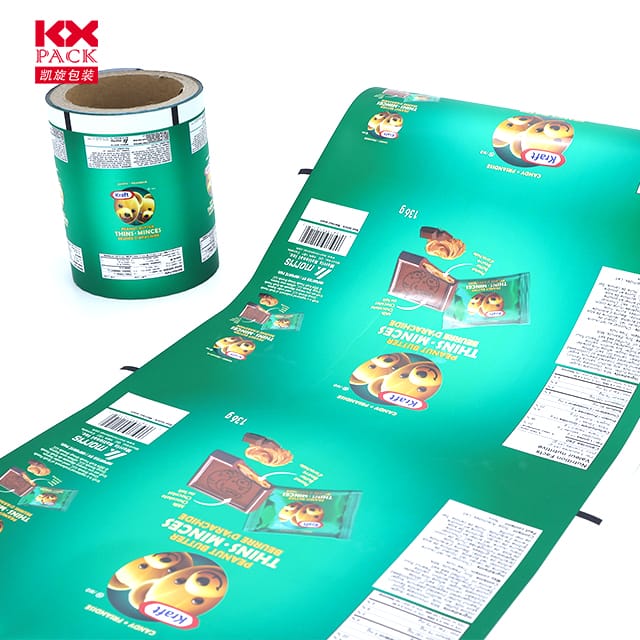
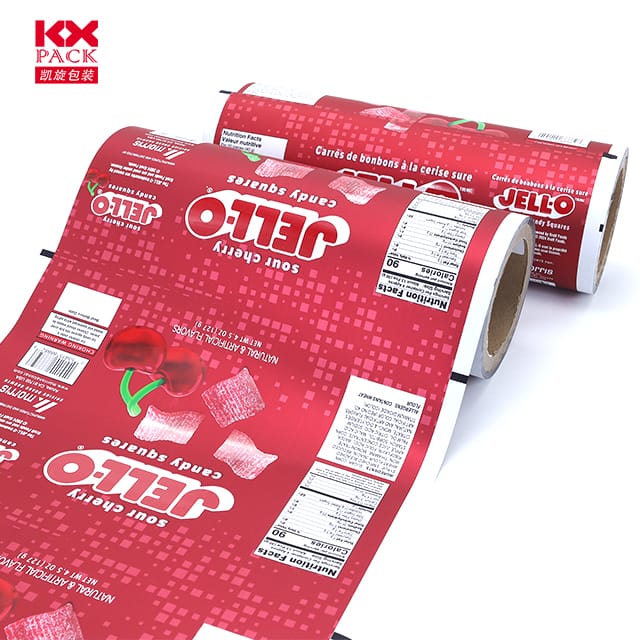
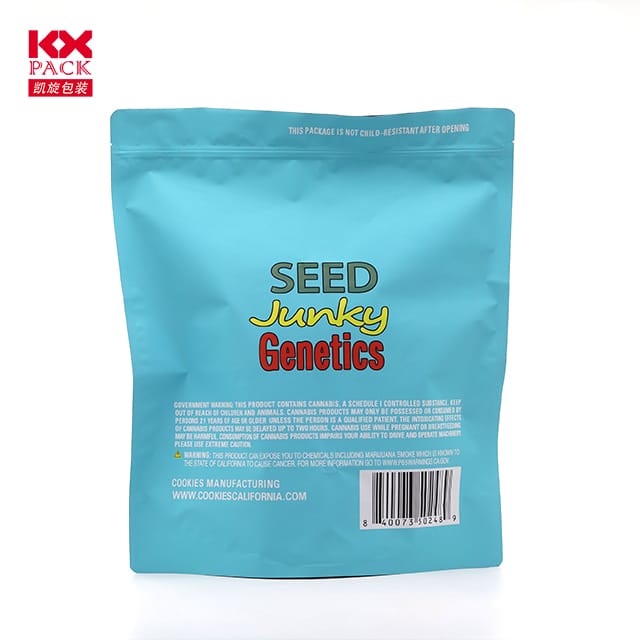
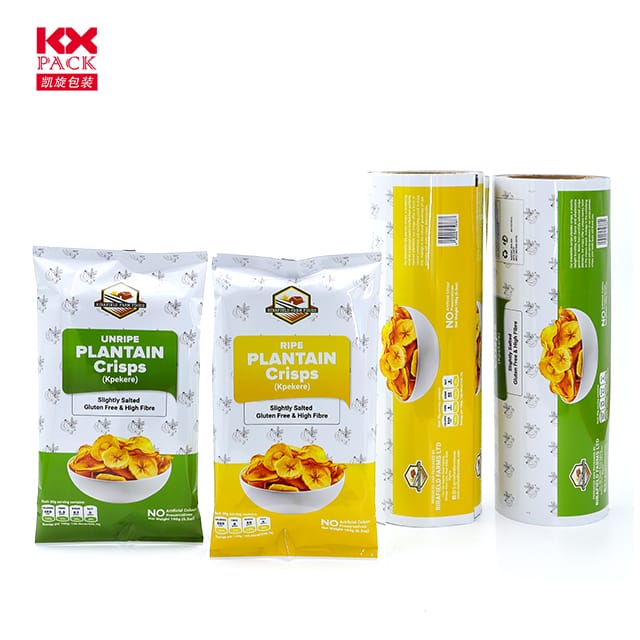
In the modern food industry, food packaging plastic roll film is the unsung hero that keeps our snacks fresh, Niaj viandoj higienaj, kaj nia produkto protektita. De superbazaj bretoj ĝis e-komercaj liveraĵoj, Ĉi tiu fleksebla materialo ludas kritikan rolon por certigi manĝaĵan sekurecon, Etendante breto -vivon, kaj reduktante malŝparon. Sed ĉar mediaj zorgoj kreskas, how is the industry adapting to make plastic roll film more sustainable without compromising its essential functions? Let’s explore the challenges, Novigoj, and future of this vital packaging solution.
Why Plastic Roll Film Matters
- Preservation and Protection
Plastic roll film acts as a barrier against moisture, oksigeno, lumo, kaj poluantoj, preserving food quality and preventing spoilage. Ekzemple, vacuum-sealed meats or modified-atmosphere-packaged (Mapo) salads rely on high-performance films to stay fresh longer. - Komforto kaj Verstileco
Its flexibility allows for easy shaping, sigelado, kaj personigo, making it ideal for a wide range of products—from single-serve yogurt cups to bulk cereal bags. Brands can also print vibrant labels directly onto the film, enhancing product visibility. - Kostefikeco kaj Skalebleco
Roll film is efficient to produce, transporto, and use on automated packaging lines, reducing costs for manufacturers and consumers alike.
The Environmental Challenge
Malgraŭ ĝiaj avantaĝoj, traditional plastic roll film faces scrutiny due to its reliance on fossil fuels and low recycling rates. Single-use plastics often end up in landfills or oceans, contributing to pollution. Here’s how the industry is tackling these issues:
- Switching to Sustainable Materials
- Bioplastics: Derived from renewable resources like corn starch or sugarcane, biodegradable and compostable films are gaining traction. Tamen, challenges remain in ensuring compatibility with recycling streams and maintaining barrier properties.
- Reciklita enhavo: Markoj korpigas post-konsuman reciklitan (PCR) plastics into roll film, reducing demand for virgin materials.
- Paper-Based Hybrids: Combining plastic with paper layers offers a recyclable or compostable alternative for certain applications.
- Designing for Recyclability
Monomaterial films (farita el ununura speco de plasto, like PE or PP) are easier to recycle than multi-layer composites. Innovations in adhesive-free lamination and solvent-based coatings aim to improve recyclability without sacrificing performance. - Reducing Waste Through Lightweighting
Pli maldika, high-strength films use less material while maintaining durability, cutting both costs and environmental impact.
Novigoj veturanta ŝanĝon
- Aktiva kaj inteligenta pakaĵo
Films embedded with oxygen scavengers, Antimicrobaj agentoj, or temperature indicators can extend shelf life further, reducing food waste—a far greater environmental concern than packaging itself. - Home-Compostable Films
New formulations break down in home compost bins within months, offering a convenient eco-friendly option for consumers. - Chemical Recycling Technologies
Advanced recycling processes can break down mixed plastics into raw materials for new film production, closing the loop on waste.
La vojo antaŭen: Collaboration is Key
Achieving a sustainable future for food packaging plastic roll film requires a collective effort:
- Policy Support: Governments can incentivize recyclability standards and invest in recycling infrastructure.
- Konsumada Edukado: Encouraging proper disposal and supporting brands that prioritize sustainability.
- Industry Partnerships: Collaboration between material suppliers, packaging manufacturers, and food producers to innovate at scale.
Konkludo
Food packaging plastic roll film is a testament to human ingenuity—a material that protects, preserves, and connects us to the food we love. While its environmental footprint cannot be ignored, the industry is rising to the challenge with smarter materials, circular designs, and a focus on reducing waste. Kiel konsumantoj, we too hold power: by choosing brands committed to sustainability and advocating for change, we can help steer the future of packaging toward a greener horizon.
What’s your take on plastic packaging? Have you noticed any innovative solutions in your local stores? Kunhavigu viajn pensojn sube! 🌱🍃