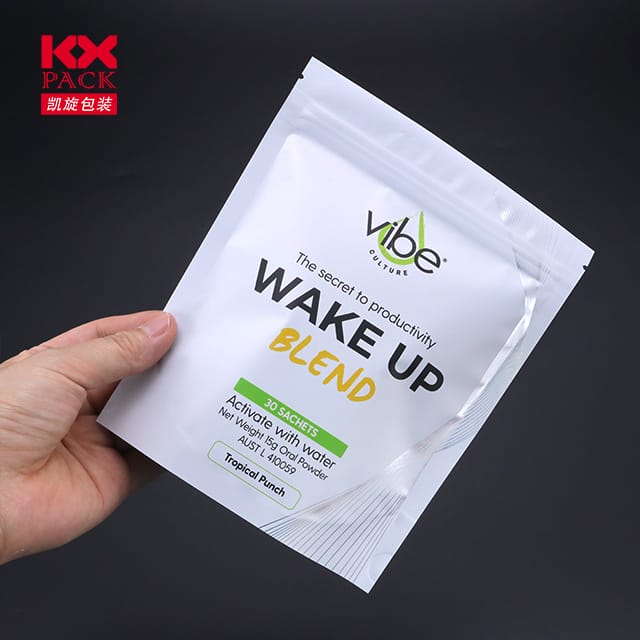
La neeldonita heroo de moderna vivo: Plasta Filmo por Envolvi
Plasta filmo
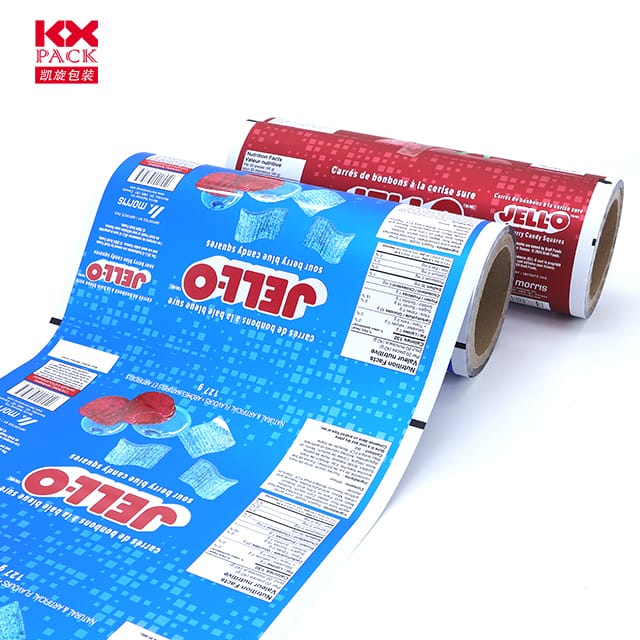
En la hodiaŭa rapida mondo, kie regas komforto kaj efikeco, unu humila materialo ofte pasas nerimarkita tamen ludas pivotan rolon en nia ĉiutaga vivo: plasta filmo por envolvi. De protektado de pereemaj manĝaĵoj ĝis sekurigado de industriaj varoj dum transito, ĉi tiu multflanka produkto estas la malkonata heroo de pakaj solvoj. Let’s dive into why plastic wrapping film is indispensable and explore its environmental impact—and the innovations shaping its future.
Why Plastic Wrapping Film Matters
- Konservado & Protekto
Plastic film acts as a barrier against moisture, Polvo, oksigeno, kaj poluantoj, extending the shelf life of everything from fresh produce to pharmaceuticals. Without it, food waste would skyrocket, and delicate electronics might not survive shipping. - Kostefikeco
Malpeza kaj daŭra, plastic film reduces packaging costs and transportation emissions by minimizing bulk. Its affordability makes it a go-to choice for businesses large and small. - Higieno & Sekureco
In healthcare and food industries, plastic film ensures sterile environments and prevents cross-contamination. Think of sealed medical equipment or pre-packaged meats—plastic film keeps them safe until use. - Agordeblo
Manufacturers can tailor plastic film’s thickness, Klareco, and strength to specific needs, whether it’s shrink-wrapping a pallet or cling-filming leftovers.
La Ekologia Enigmo
While plastic film offers undeniable benefits, its single-use nature has sparked global concern. Billions of tons end up in landfills or oceans annually, contributing to pollution and harming wildlife. The challenge lies in balancing functionality with sustainability.
Novigoj veturanta ŝanĝon
The packaging industry is rising to the occasion with eco-friendly alternatives:
- Biodiserigebla & Komposteblaj Filmoj
Made from plant-based materials like cornstarch or algae, Ĉi tiuj filmoj rompiĝas nature, reducing long-term waste. - Reciklitaj Enhavaj Filmoj
Brands are incorporating post-consumer recycled plastics into wrapping, closing the loop on waste. - Reuzebla & Recyclable Options
Innovations like silicone food wraps or easily recyclable LDPE (low-density polyethylene) films encourage consumers to reuse or recycle instead of toss. - Manĝeblaj filmoj
A futuristic twist! Edible coatings made from seaweed or starch protect food and can be consumed, tute forigante malŝparon.
What Consumers & Businesses Can Do
- Redukti & Reuzo: Opt for reusable containers or beeswax wraps for home storage.
- Recikli Ĝuste: Check local guidelines—many plastic films (like grocery bags) are recyclable at drop-off centers, not curbside bins.
- Aktivulo por Ŝanĝo: Support brands using sustainable packaging and push for policy reforms.
La vojo antaŭen
Plastic film for wrapping isn’t going away anytime soon—and it shouldn’t have to. Its role in preserving resources and reducing waste (through proper use) is too valuable. The key is innovation: creating films that perform flawlessly while leaving a lighter footprint.
Kiel konsumantoj, we hold power. By demanding sustainable options and adopting mindful habits, we can transform plastic film from an environmental villain into a tool for a greener future.
Next time you unwrap a sandwich or receive a package, memoru: that thin layer of plastic is a marvel of modern engineering. Let’s ensure its legacy is one of progress, ne poluo.
What’s your take on plastic wrapping film? Kunhavigu viajn pensojn aŭ ekologiajn hakojn en la komentoj sube! 🌍♻️