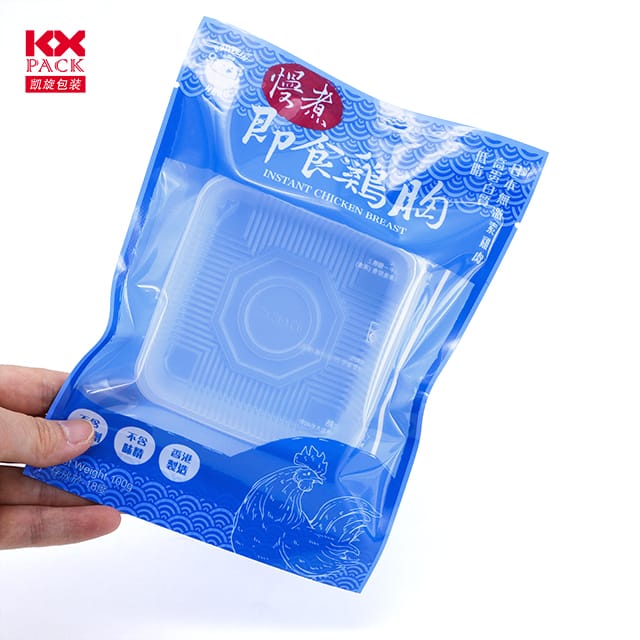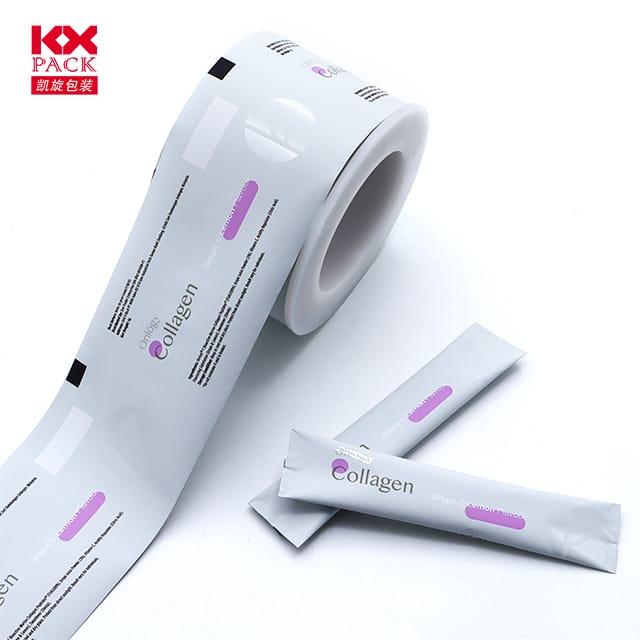
Paka Filmo: La Nekantata Heroo de Moderna Konsumismo
Paka Filmo
In the world of commerce, where first impressions matter and product protection is non-negotiable, paka filmo plays a quiet yet pivotal role. From the crisp seal on your morning cereal to the shrink-wrapped pallets at a warehouse, this flexible material keeps products safe, fresh, and visually appealing. Ni elpaku la sciencon, Novigado, and sustainability behind packaging film—and why it’s more than just “plastic wrap.”
What Is Packaging Film?
Packaging film is a thin, flexible material (often made from polymers like polyethylene, polipropileno, or biodegradable alternatives) used to wrap, sigelo, or protect goods. It comes in various forms:
- Stretch Film: For bundling pallets or securing items during shipping.
- Shrink Film: Shrinks tightly when heated, creating a tamper-proof seal.
- Baraj Filmoj: Blocks oxygen, humideco, or light to preserve food and pharmaceuticals.
- Biodegradeblaj filmoj: Eco-friendly options made from plant-based materials or compostable polymers.
Why Is It So Essential?
- Produkta Protekto:
- Shields items from dust, humideco, kaj fizika damaĝo.
- Extends shelf life for perishables (T.e., viando, fromaĝo, produkti) by preventing spoilage.
- Marka Videbleco:
- Custom-printed films turn packaging into a marketing tool, reinforcing brand identity.
- Efficiency & Cost Savings:
- Malpeza kaj ŝparado de spaco, reducing shipping costs and carbon footprints.
- Automated machinery allows high-speed packaging for mass production.
- Oportuno:
- Resealable zippers or easy-tear features enhance user experience.
Novigoj Veturante la Estontecon
The packaging film industry is evolving rapidly to meet sustainability demands and functional needs:
- Daŭrigeblaj Materialoj:
- Brands are shifting toward biodiserigebla, kompoŝtebla, or recyclable films (T.e., PLA, derivita de maiza amelo).
- Post-consumer recycled (PCR) content is becoming more common.
- Inteligenta Pakado:
- Filmoj enigita kun sensors or QR codes track freshness, detect leaks, or provide anti-counterfeiting measures.
- Manĝeblaj filmoj (farita el algoj aŭ amelo) are emerging for single-use food wraps.
- Pli maldika, Stronger Films:
- Nanotechnology improves barrier properties, allowing thinner films without sacrificing strength.
- Circular Economy Solutions:
- Companies are designing films for easier recycling or reuse (T.e., mono-material pouches).
Challenges on the Horizon
Malgraŭ ĝiaj avantaĝoj, packaging film faces criticism:
- Plastic Waste: Single-use films contribute to landfills and ocean pollution.
- Reciklaj Hurdoj: Multi-layer films (common in snack packaging) are hard to recycle.
- Kosto vs. Daŭripovo: Eco-friendly alternatives often cost more, slowing adoption.
La vojo antaŭen: Balancing Innovation and Responsibility
The future of packaging film lies insmarter, pli verdaj solvoj:
- Industria Kunlaboro: Markoj, suppliers, and recyclers must work together to standardize eco-friendly materials.
- Konsumada Edukado: Encouraging recycling and proper disposal of films.
- Reguliga Puŝo: Governments are introducing bans on single-use plastics, incentivizing innovation.
Konkludo
Packaging film is a testament to human ingenuity—a tiny layer that safeguards, promotes, and connects products to consumers. As we strive for a more sustainable future, the challenge is to harness its potential without compromising the planet. Whether it’s through biodegradable materials, smart technologies, or circular design, the next generation of packaging film will redefine how we protect, ĉeestanta, and perceive the goods we love.
What’s your take? Do you prioritize eco-friendly packaging, or is functionality your top concern? Ni diskutu en la komentoj! 🌱📦
Restu scivolema, and subscribe for more insights into the materials that shape our world! 🚀