Food Wrap Film kaj Food Packaging Films: La Finfina Gvidilo al Freŝeco, Sekureco, kaj daŭripovo
Kiam temas pri konservi la guston, teksturo, kaj nutra valoro de viaj plej ŝatataj manĝoj, la nekonataj herooj de niaj kuirejoj kaj provizoĉenoj estas manĝaĵo envolvita filmo kaj nutraĵpakaĵfilmoj. Ĉu vi estas hejma kuiristo provanta malhelpi la lasanjon de la hieraŭa nokto sekiĝi, aŭ komerca manĝfabrikisto ekspedanta delikatajn produktojn tra la lando, elekti la ĝustan materialon estas plej grava.
Sed ni estu honestaj: la mondo de fleksebla pakado povas esti nekredeble konfuza. Kun terminoj kiel PVC, PE, baraj propraĵoj, kaj biodegradebleco ĵetita ĉirkaŭe, kiel vi scias, kio efektive funkcias?
En ĉi tiu ampleksa gvidilo, ni malpakos ĉion, kion vi bezonas scii manĝaĵo envolvita filmo solvoj, esploru la plej novajn novigojn en nutraĵpakaĵfilmoj, kaj helpi vin informiĝi, ekokonsciaj elektoj.
Kial Food Wrap Film estas Kuireja Esenca
Ni ĉiuj estis tie—rigardante duonmanĝitan avokadon, scivolante kiel malhelpi ĝin fariĝi bruna, neapetita kaĉo. Ĉi tie estas altkvalita manĝaĵo envolvita filmo enpaŝas.
Ĉe ĝia kerno, alkroĉaĵo estas kreita por fari du aferojn escepte bone: aliĝas al surfacoj kaj blokas oksigenon.
La Scienco de la Streĉado
Historie, Polivinila klorido (PVC) estis la plej taŭga materialo por hejma alkroĉaĵo pro sia nekredebla streĉado kaj supera glueco. Tamen, kiel sano kaj mediaj zorgoj evoluis, la industrio ŝanĝiĝis signife direkte al Polietileno (PE).
Moderna PE manĝaĵo envolvita filmo proponas ne-toksan, BPA-libera alternativo, kiu sekure enŝlosas humidon sen lesivigi damaĝajn kemiaĵojn en vian manĝaĵon. Ĝi kreas streĉon, mikromedio kiu draste malrapidigas la oksigenadprocezon, konservante viajn fruktojn, legomoj, kaj proteinoj freŝaj dum tagoj pli longaj.
Levante la Ludon: Commercial Food Packaging Films
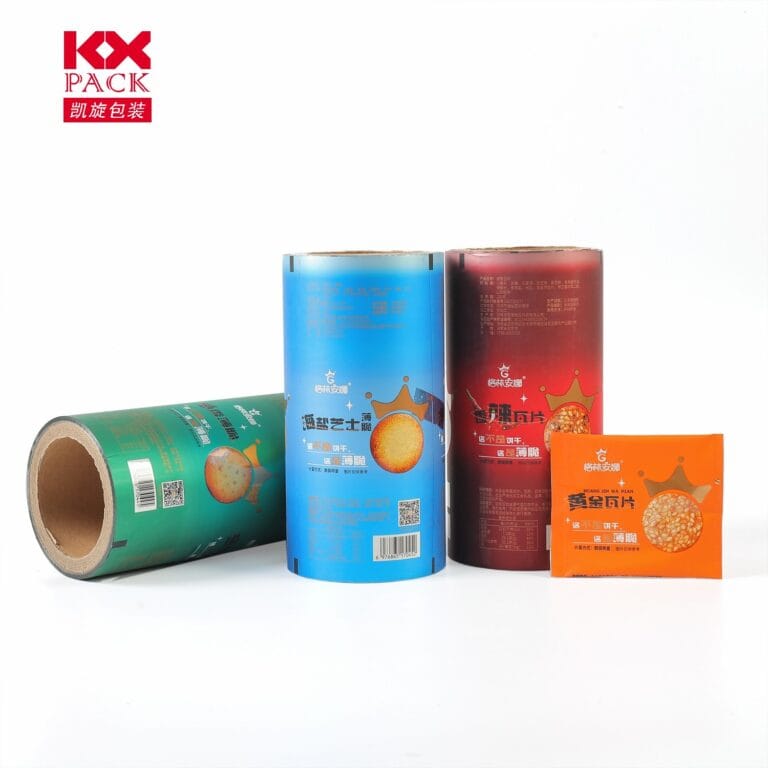
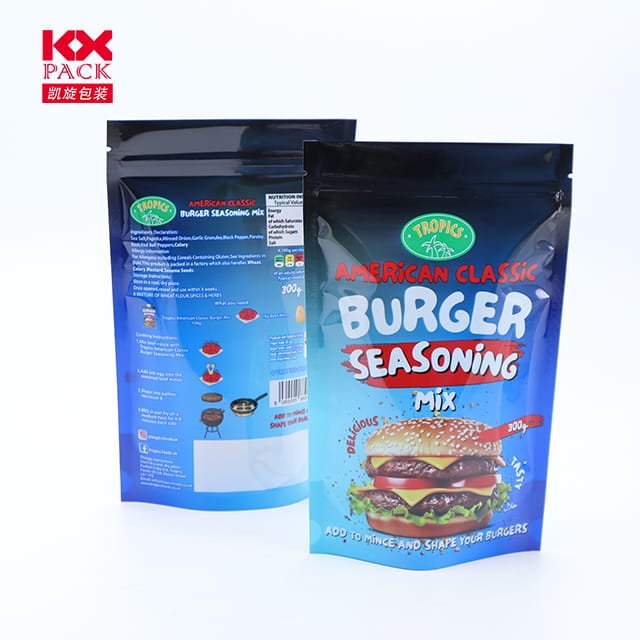
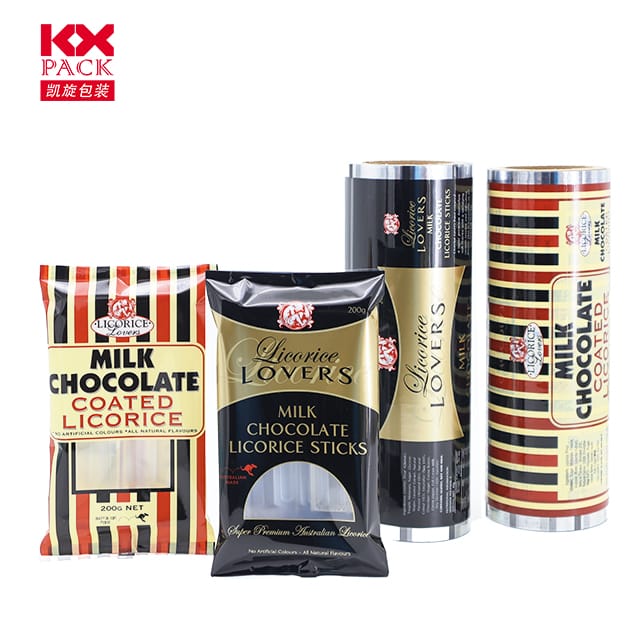
Dum norma alkroĉaĵo estas perfekta por mallongdaŭra konservado en hejma skalo, la tutmonda nutraĵa industrio postulas ion multe pli fortikan. Eniru industrian nutraĵpakaĵfilmoj. Ĉi tiuj ne estas viaj averaĝaj nutraĵvendaĵoj; ili estas tre inĝenieritaj, plurtavolaj teknologiaj mirindaĵoj desegnitaj por plilongigi bretvivon de tagoj ĝis monatoj.
1. Modifita Atmosfera Pakado (Mapo)
Ĉu vi iam scivolis, kiel ensakitaj salataj legomoj restas perfekte krispaj dum semajnoj? La sekreto kuŝas en specialigita nutraĵpakaĵfilmoj uzata en MAP. Tiuj filmoj estas realigitaj kun specifaj gaspermeabloprocentoj. Ili permesas precizan ekvilibron de oksigeno, karbondioksido, kaj nitrogeno por ekzisti ene de la pakaĵo, efike metante la maljuniĝan procezon de la manĝaĵo “dormi.”
2. Altbaraj Filmoj
Por viandoj, Fromaĝoj, kaj prilaboritaj manĝaĵoj, humideco kaj oksigeno estas publika malamiko numero unu. Altnivela nutraĵpakaĵfilmoj uzi plurajn tavolojn—ofte kombinante nilonon, EVOH, kaj polietileno—por krei nepenetreblan baron. Ĉi tio malhelpas brulvundojn de frostujo, ŝlosas en aromo, kaj forigas la riskon de kruc-poluado dum transito.

La Verda Revolucio: Ekologiaj Pakaj Solvoj
Ni alparolu la elefanton en la ĉambro: plastaj ruboj. La tradicia dependeco de unuuza plasto manĝaĵo envolvita filmo sendube kontribuis al media streĉiĝo. Feliĉe, la paka industrio spertas masivan verdan transformon.
Konsumantoj hodiaŭ postulas daŭripovon, kaj fabrikantoj iras al la plato kun pionraj novigoj:
- PLA (Polilaktika acido) Filmoj: Derivita de renovigeblaj rimedoj kiel maiza amelo aŭ sukerkano, ĉi tiuj filmoj estas plene kompoŝteblaj sub industriaj kondiĉoj.
- Celulozo-Bazitaj Envolvaĵoj: Farita el ligna pulpo, ĉi tiuj provizas bonegan klarecon kaj bariajn trajtojn estante nature biodiserigeblaj.
- Recikleblaj Monomaterialoj: Tradicie, plurtavolaj filmoj ne estis recikleblaj ĉar la tavoloj ne povus esti apartigitaj. Nova inĝenierado permesas plurtavolan nutraĵpakaĵfilmoj farita tute el la sama polimera familio (kiel tute-polietileno), farante ilin 100% reciklebla.
Elekti ekologiajn alternativojn ne signifas plu oferi rendimenton. La plej novaj biobazitaj filmoj ofertas la saman alkroĉiĝon, klareco, kaj forto kiel iliaj naft-bazitaj prapatroj.
Kiel Elekti la Ĝustan Filmon por Viaj Bezonoj
Kun tiom da ebloj disponeblaj sur la merkato, elekti la taŭgan materialon povas senti superforta. Jen rapida rompo por gvidi vian decidon:
| Apliko | Rekomendita Materialo | Ŝlosila Profito |
| Ĉiutagaj Restaĵoj & Hejma Uzo | Polietileno (PE) manĝaĵo envolvita filmo | Sekura, senkemiaj, facile uzebla |
| Freŝa Viando & Kokaĵo (Komerca) | PVC aŭ Alt-Bariera Kunetrudita Filmo | Bonega kontrolo de transdono de oksigeno, premio klareco |
| Frostaj Manĝaĵoj | Lamenigita nutraĵpakaĵfilmoj (Dorlotbesto/pe) | Alta trapikado-rezisto, malhelpas brulvundon de frostujo |
| Ekkokonsciaj Markoj | Kompostebla PLA aŭ Monomateriala PE | Reduktas karbonpiedsignon, apelacias al verdaj konsumantoj |
Plej bonaj Praktikoj por Sekura Manĝaĵo Stokado
Por eltiri la plej grandan parton de via manĝaĵo envolvita filmo, memoru ĉi tiujn praktikajn konsiletojn:
- Evitu Alta Varmego: Krom se filmo estas eksplicite etikedita kiel “mikroonda sekura,” evitu lasi ĝin tuŝi grasajn aŭ sukerajn manĝaĵojn dum hejtado, ĉar la intensa varmo povas kaŭzi la filmon fandi.
- Certigu Stretan Sigelon: Kiam oni envolvas ujojn, certigu, ke la randoj estas sekaj. Seka rando permesas la manĝaĵo envolvita filmo por formi taŭgan hermetikan ligon.
- Konservu Ĝuste: Konservu viajn neuzatajn filmrulaĵojn en malvarmeta, seka loko for de rekta sunlumo por konservi iliajn gluajn kvalitojn.
Finaj Pensoj: La estonteco de konservado de manĝaĵoj
La evoluo de manĝaĵo envolvita filmo kaj komerca nutraĵpakaĵfilmoj pruvas, ke ni ne devas elekti inter nutraĵa sekureco kaj media respondeco. Dum teknologio marŝas antaŭen, ni povas antaŭĝoji eĉ pli inteligentajn pakaĵojn—filmojn kiuj ŝanĝas koloron kiam manĝaĵo difektas, aŭ manĝeblaj volvaĵoj faritaj el algoj-proteinoj.
Komprenante la materialojn, kiujn ni uzas por protekti nian manĝaĵon, ni povas redukti manĝaĵmalŝparon, ŝpari monon, kaj faru elektojn, kiuj traktas nian planedon kun respekto.
Kiaj estas viaj pensoj pri la estonteco de daŭrigebla pakado? Ĉu vi jam faris la ŝanĝon al kompoŝteblaj volvaĵoj? Sciigu nin en la komentoj sube!